The prescription is filled. The first dose is in. And you're standing in your kitchen with no idea what to actually put on a plate.
Everything changed at once — your appetite, your thirst, even how food tastes. The meals you used to love might suddenly turn your stomach. The coffee you lived for might taste wrong. The hunger that used to organize your whole day just… isn't there.
Week one isn't about willpower. It's about structure.
Here's how to build a day that works with your new body instead of against it.
The First Week Isn't About Eating Less — It's About Eating Right
People assume the GLP-1 game is simply "eat less." The medication handles that part for you, automatically, whether you plan for it or not. Your real job in week one is making the little you do eat actually count — and arranging it so you don't trigger the nausea, dehydration, and constipation that derail so many beginners before they ever hit their stride.
That means a daily structure: when to prioritize protein, when to hydrate, how to keep fiber steady, and what to avoid when your stomach is most sensitive. Structure beats guesswork every time, and it beats it by the widest margin precisely when your appetite is too low and your energy too thin to improvise. A plan you set up once carries you through days when deciding feels like too much.
The goal of week one isn't dramatic weight loss. It's establishing a rhythm you can sustain — one that keeps you comfortable enough and nourished enough that you stay on the medication long enough to see results. Plenty of people quit in the first weeks not because the drug failed, but because the side effects went unmanaged. Structure is how you avoid being one of them.
What week one is really managing
- Reduced appetite — so every bite needs to earn its place
- Reduced thirst — so hydration has to be deliberate, not automatic
- Altered taste — so old favorites may not work anymore
- Slowed digestion — so timing and fiber matter more than usual
“
"Most GLP-1 supplements weren't designed for GLP-1 users. They were designed for general wellness shoppers and rebranded when semaglutide went mainstream."
ASDr. Alexandra Sowa, MDInternal Medicine & Obesity Medicine Specialist
Your First-Week Daily Structure
Think of the day in layers, each placed where it does the most good. This is the framework — adjust portions to whatever your appetite allows, because some days that won't be much, and forcing it backfires.
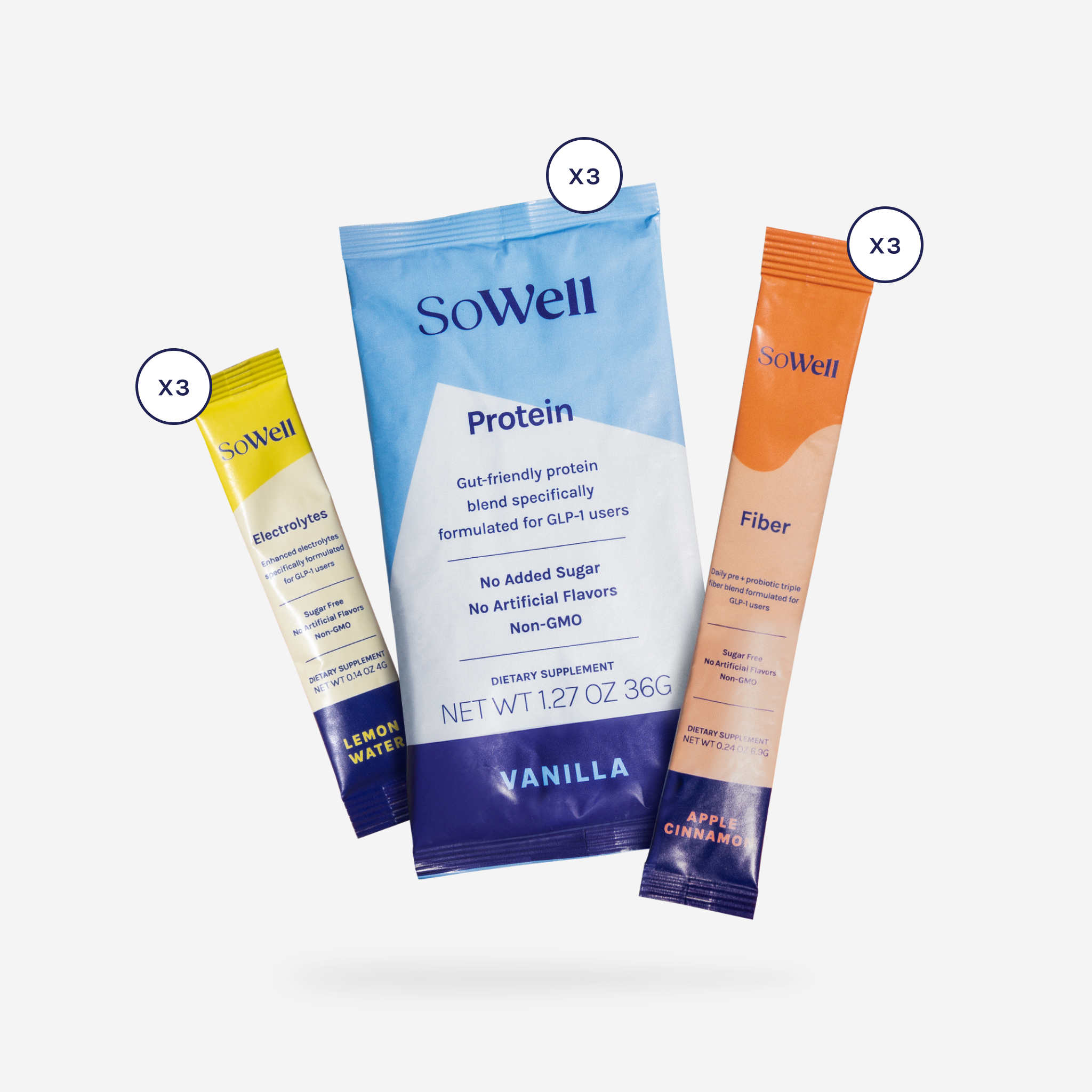
Morning: electrolytes first. Nausea tends to be at its sharpest in the early hours, and starting the day with electrolytes — before food, before coffee — is one of the most effective ways to take the edge off. On a GLP-1, reduced food volume means you're also under-eating minerals, so replacing them first thing addresses both the nausea and the hydration gap that builds overnight. If mixing a drink feels like too much, a single-serve stick pack in a small glass of water is all it takes.
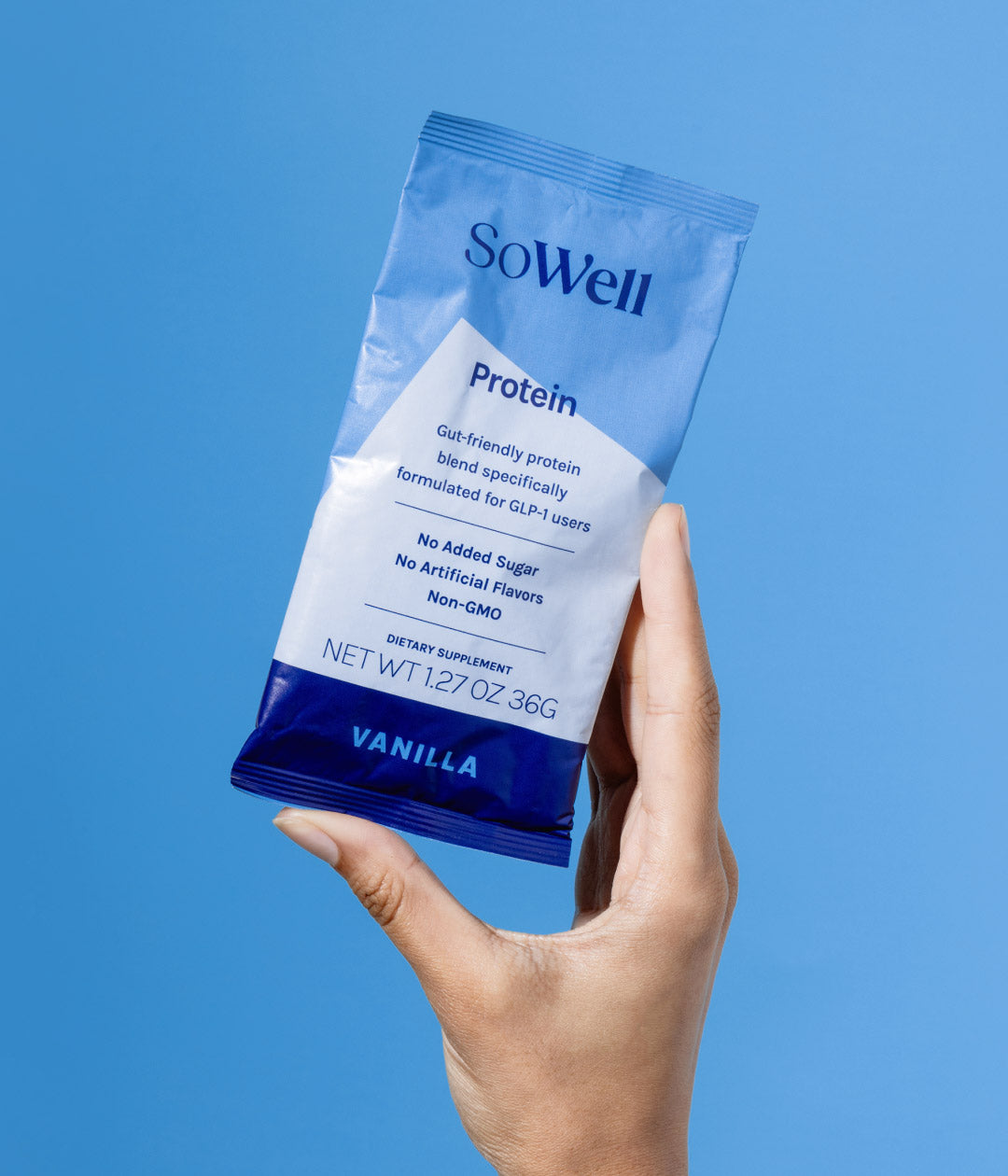
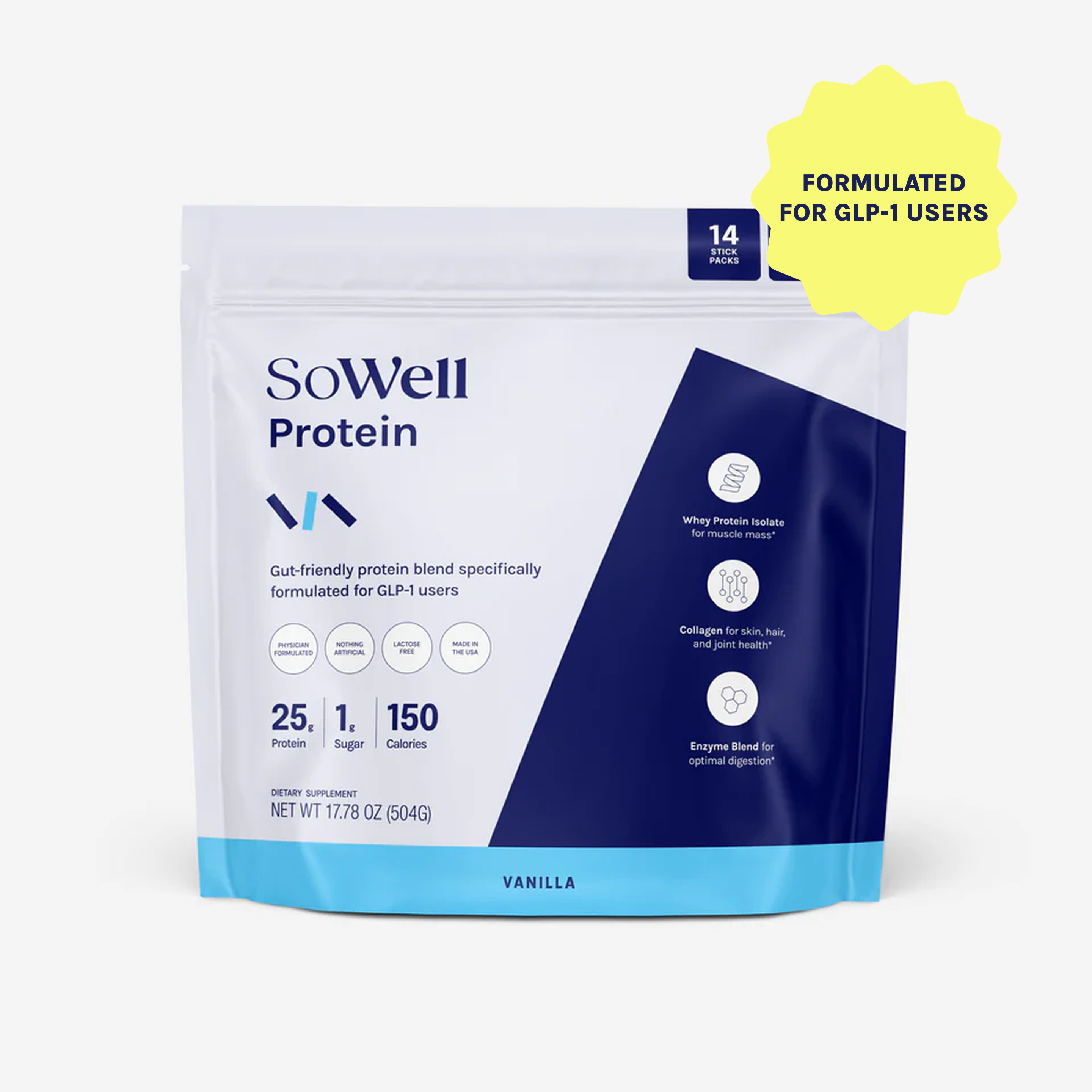
Mid-day: protein when you know you should eat. Appetite is often at its most workable now — not gone entirely, just quiet. This is the window to lead with protein even when you don't feel hungry, because that quiet is exactly when muscle loss accelerates if you skip it. A small, easy source you can get down without forcing a full plate is the goal. If real food still feels like too much, an easy protein source that hits your target earns its keep here. You get the protein without forcing down a plate of food you can't face.
Between meals: hydrate deliberately. Sip fluids between meals rather than with them, since drinking during a small meal can crowd an already-full stomach and worsen nausea. Because thirst is blunted on a GLP-1, you can't rely on feeling thirsty as your cue — you have to be intentional about it. And plain water won't replace the minerals you're under-eating now that your food volume has dropped. Electrolytes built for reduced-appetite days cover what water alone can't, and spacing them between meals does double duty.
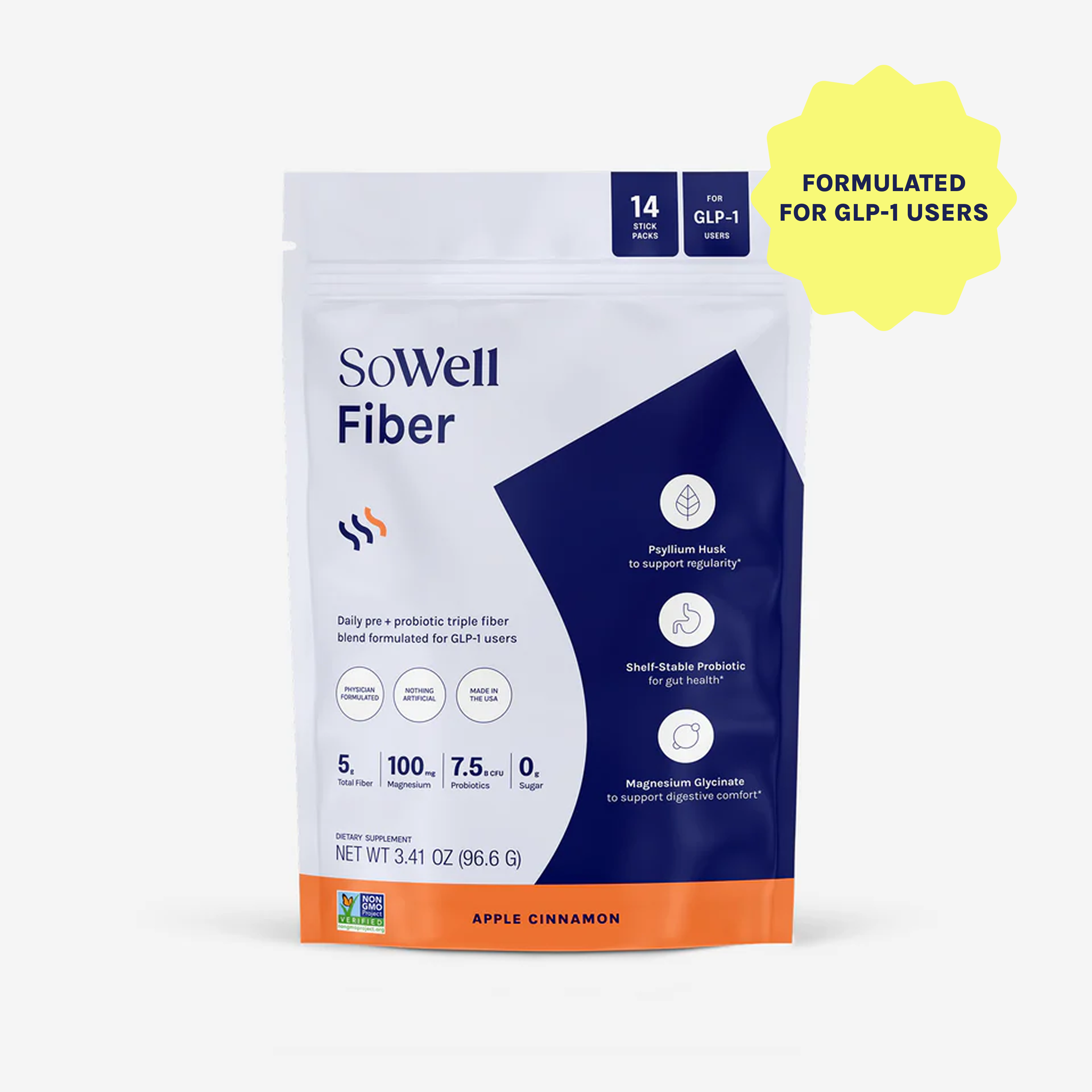
Daily: keep fiber steady. Constipation is one of the most common early complaints, and consistent fiber from day one is far easier than digging out of a problem later. Build it into the same time each day so it becomes automatic rather than something you remember only once it's already an issue.
Evening: keep it light and early. A slowed stomach does not appreciate a large, late, heavy meal — that's a recipe for overnight discomfort and disrupted sleep. Aim to eat your last real food earlier than you used to, and keep it on the lighter, simpler side. If you're genuinely hungry later, something small and easy to digest beats a full plate that sits in your stomach while you're trying to rest.
Notice what this structure quietly accomplishes: it front-loads electrolytes into the morning when nausea is at its peak, places protein mid-day in the window when appetite is quiet but still workable, spaces hydration so it never competes with food, and tapers the day down so digestion isn't fighting you at night. You're not eating more — you're sequencing the little you eat so it lands where your body can actually use it. That sequencing is the entire advantage of having a plan, and it's invisible to anyone just trying to "eat healthy" without a map for how a GLP-1 reshapes the day.
The other thing structure buys you is forgiveness. Some days the appetite simply won't show up, the nausea will win, or life will blow the schedule apart. That's fine — a repeatable structure means you don't have to rebuild anything. You just pick it back up at the next anchor point: the next morning electrolyte, the next mid-day protein, the next daily fiber. A plan you can fall off and climb right back onto beats a rigid regimen that one bad day derails completely. Week one isn't about perfect days; it's about a default shape your body can return to no matter how any single day goes.
It's also worth setting expectations for what week one should and shouldn't deliver. This is the foundation-laying week, not the dramatic-results week. The wins to look for are feeling reasonably comfortable, avoiding the worst of the nausea and constipation, staying hydrated, and hitting your protein most days — not a big number on the scale. Judge the week by whether you built a rhythm you could see yourself repeating, because that rhythm, sustained, is what actually produces results over the months ahead. Nail the structure now and the outcomes follow; chase the outcomes now and you tend to get neither. Treat the first week as the setup, not the payoff, and you set yourself up for everything after it.
Just push through it Build a repeatable day
The white-knuckle approach — eat whatever, drink when you remember, hope for the best — is how week one goes sideways. A simple repeatable structure removes the daily guesswork at exactly the moment you have the least energy to figure it out. Electrolytes in the morning for nausea, protein mid-day when appetite is quiet, fluids between meals, fiber daily, triggers avoided. Same shape every day, so your low-energy brain doesn't have to reinvent it.
You're not building a diet. You're building a rhythm your new appetite can actually follow without a fight.
The day at a glance
- Morning: electrolytes for nausea
- Mid-day: protein when appetite is quiet
- Between meals: fluids
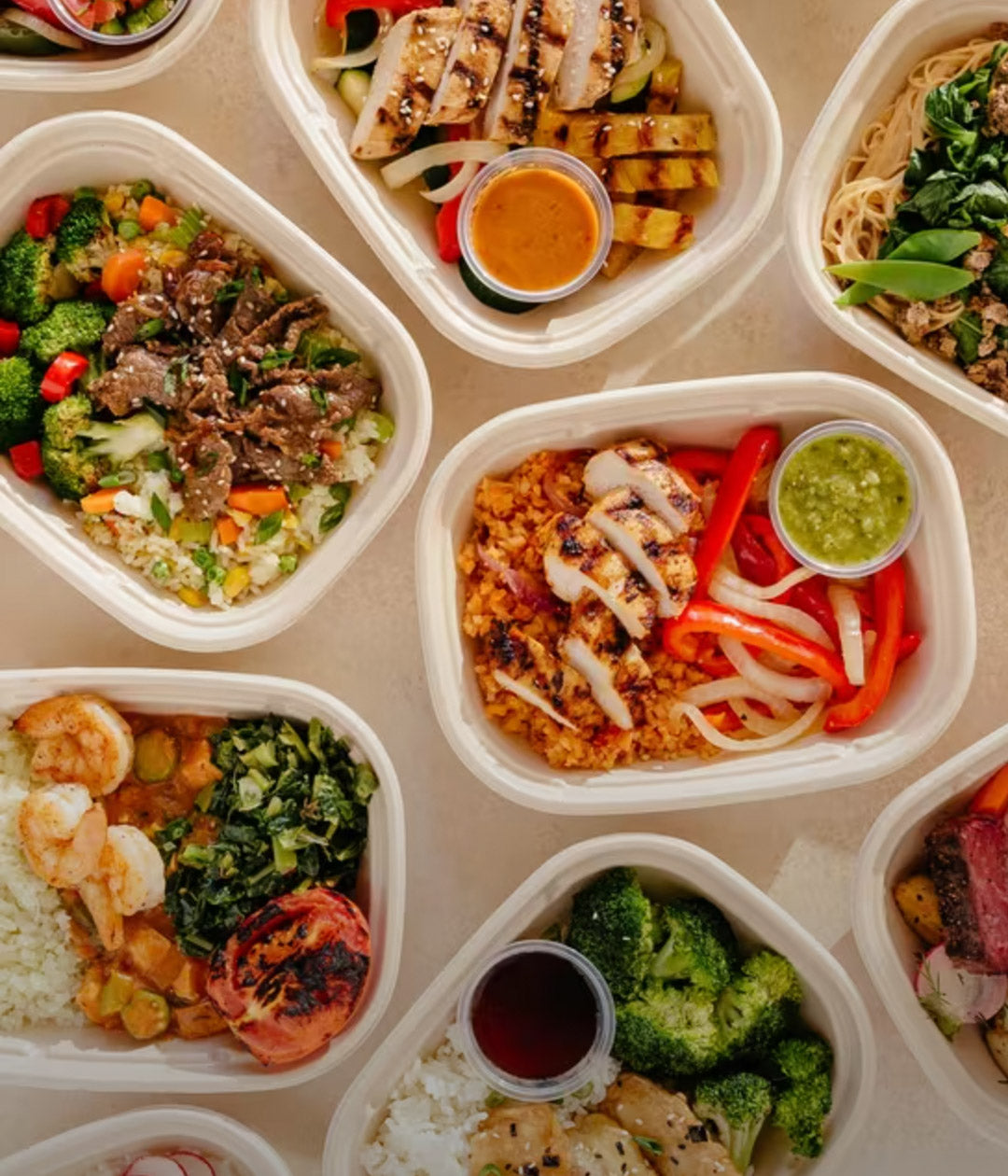
- Meals: small, simple, low-grease
- Evening: light, early, easy to digest
Free ResourceGet Dr. Sowa's GLP-1 Starter Guide
Weekly protocols, nutrition tips, and evidence-based guidance for your GLP-1 journey. Join 50,000+ readers.
★ Trusted by 50,000+ GLP-1 users · No spam, ever
How to Make Week One Easier
Small moves that prevent big problems
Eat small and often. Large plates overwhelm a slowed stomach and invite nausea. Smaller, simpler portions sit better and keep you eating consistently across the day.
Separate drinking from eating. Hydrate between meals, not during, so fluids don't crowd a full stomach. Electrolytes between meals do double duty on the mineral gap.
Avoid the triggers. Greasy, fried, and very sugary foods are the most common nausea culprits early on. Save your limited appetite for food that won't punish you for eating it.
Make it grab-and-go. When energy is low, single-serve protein, electrolytes, and fiber remove the friction that makes people skip them entirely on the hard days.
The Bottom Line
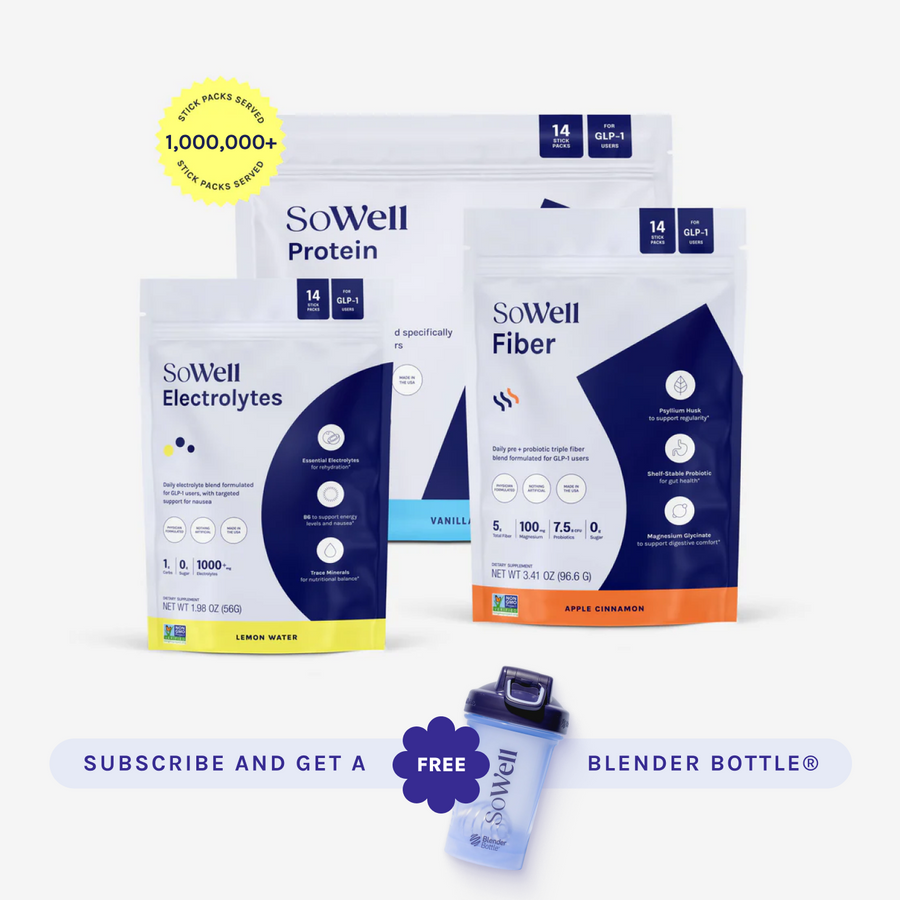
Your first week on a GLP-1 goes far better with a structure than with willpower: electrolytes first thing in the morning for nausea, protein mid-day for the window when appetite is quiet but muscle still needs feeding, fiber every day, triggers avoided. That's the whole framework, and it's simpler than it sounds. The easiest way to run it without thinking is a coordinated GLP-1 support system that puts protein, fiber, and electrolytes in single-serve form right where they belong in your day — anchored by electrolytes each morning and protein mid-day when you know you should eat even if you don't feel like it.
You don't need more discipline this week. You need a day that runs itself.