You hit your goal. The medication worked. And now a quieter question is keeping you up: what happens when you stop?
You've probably seen the headlines about weight regain after GLP-1s. They're not fearmongering — the research is real. But they're also incomplete, because they tend to stop at the scary part.
The full picture is more useful: regain is common, it's not inevitable, and what you do around stopping matters enormously.
The Myth: "Stop the Medication and It All Comes Back"
The doom narrative says GLP-1 weight loss is a rental — stop paying and it repossesses itself. There's a kernel of truth here that's worth taking seriously: research has shown that many people regain a significant portion of lost weight after discontinuing these medications, particularly when stopping abruptly with no plan in place.
But "many people regain weight" is not the same as "regain is guaranteed for you." The studies describe averages under specific conditions — often abrupt cessation without structured support. That's a description of what tends to happen by default, not a law of physics. Default outcomes change when you change the inputs.
What the regain research actually shows:
- Significant regain is common after stopping, especially abruptly.
- The studies often reflect cessation without a structured maintenance plan.
- Biology pushes back against weight loss — appetite signals tend to return.
- Habits, muscle, and support built during treatment influence what happens next.
“
"Most GLP-1 supplements weren't designed for GLP-1 users. They were designed for general wellness shoppers and rebranded when semaglutide went mainstream."
ASDr. Alexandra Sowa, MDInternal Medicine & Obesity Medicine Specialist
The Biology: Why Your Body Pushes Back
Here's the honest mechanism. GLP-1 medications work by suppressing appetite and slowing digestion. When you stop, that pharmacological appetite suppression goes away — and the hunger signals the drug was quieting tend to return. Your body also has a metabolic set point it defends, which is part of why maintaining weight loss is genuinely hard for almost everyone, medication or not.
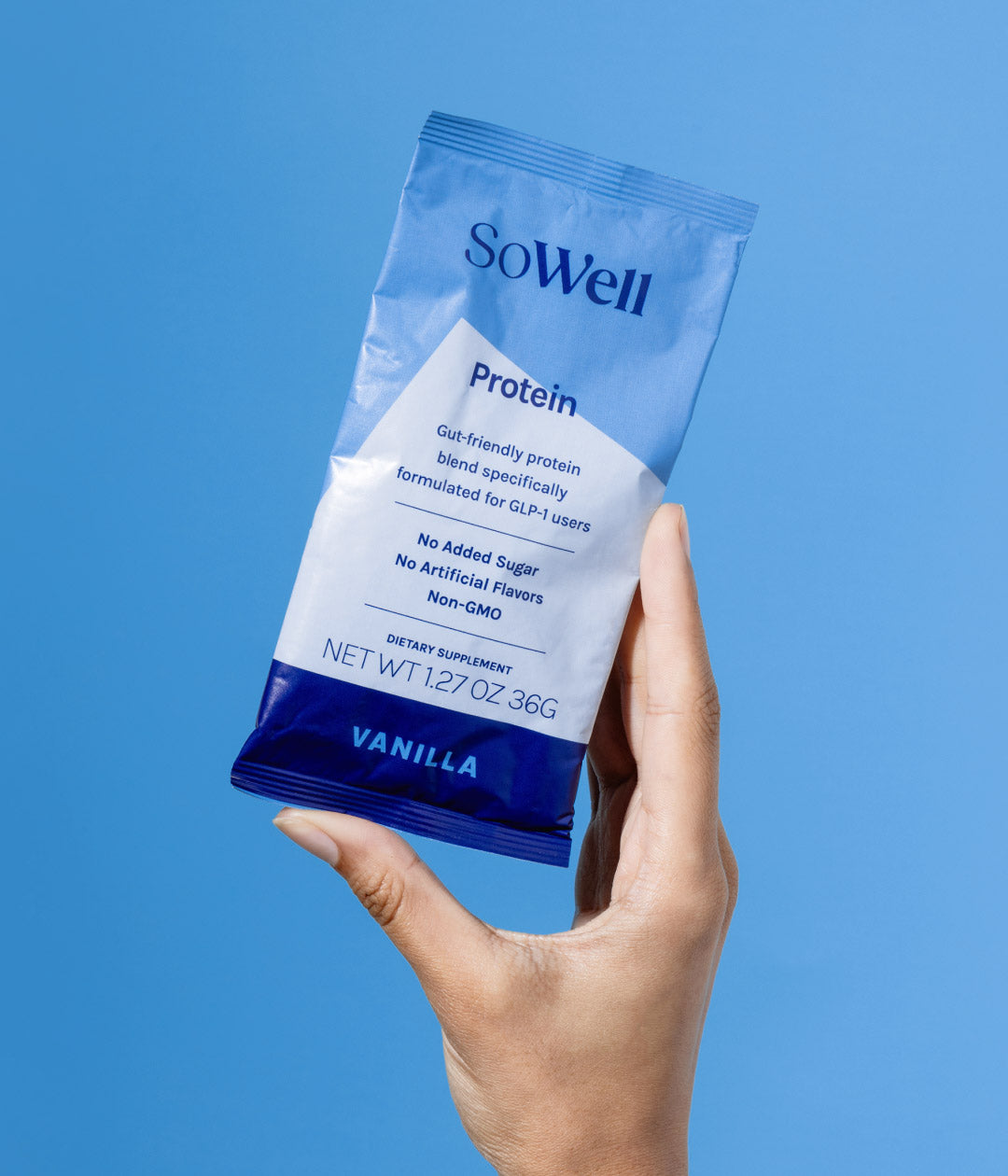
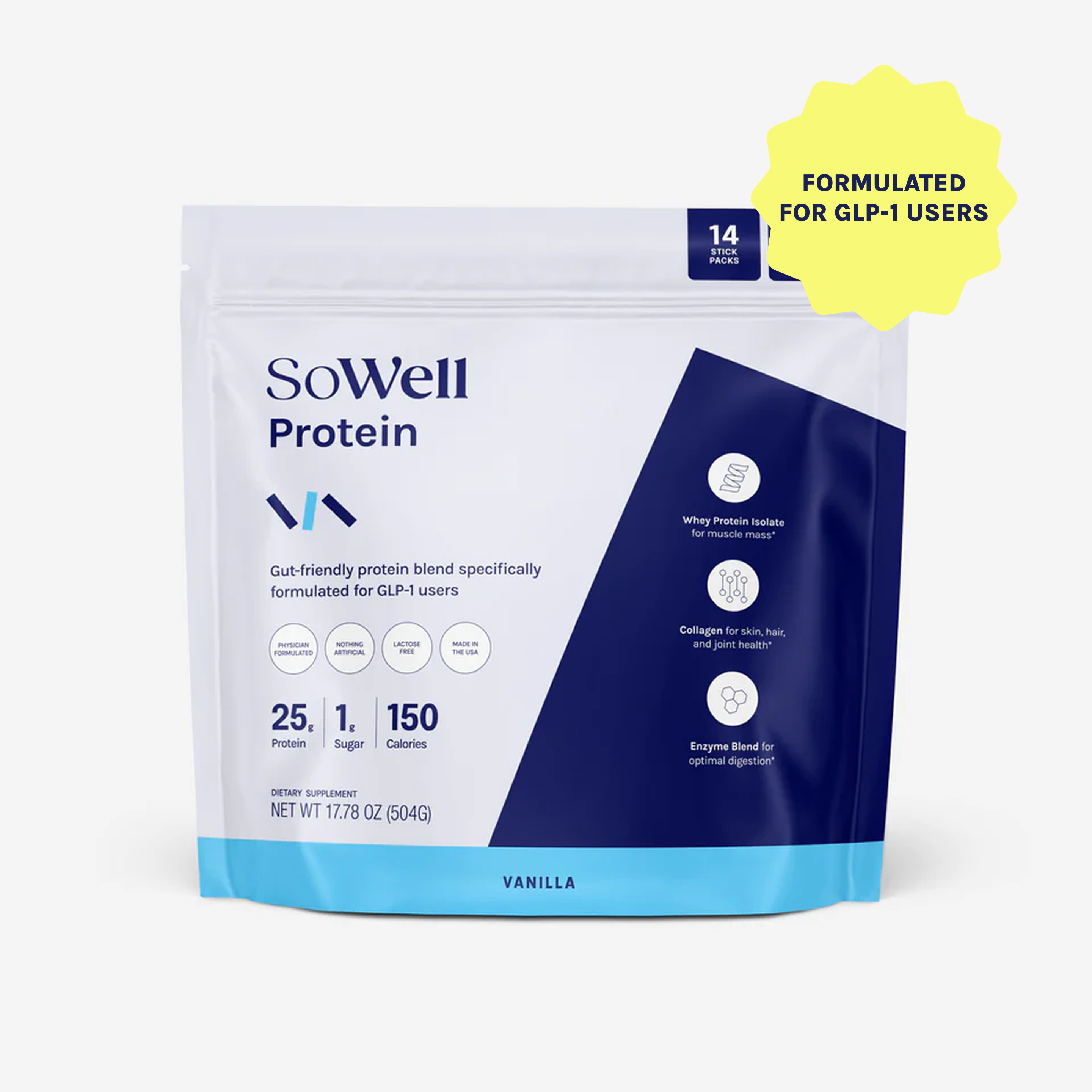
This is where honesty matters more than a sales pitch. No supplement replaces a GLP-1 medication, and no powder stops the biology of appetite return. What supports a maintenance phase is the unglamorous foundation: preserved muscle (which keeps your metabolism more robust), sustainable eating habits, and a plan made with your prescriber — ideally a gradual taper rather than a hard stop. Protein plays a real role here because protecting the muscle you have helps protect your metabolic rate, which is why a protein source that's easy to sustain long-term belongs in a maintenance routine. But it's one tool in a bigger plan, not the plan itself.
What actually drives maintenance
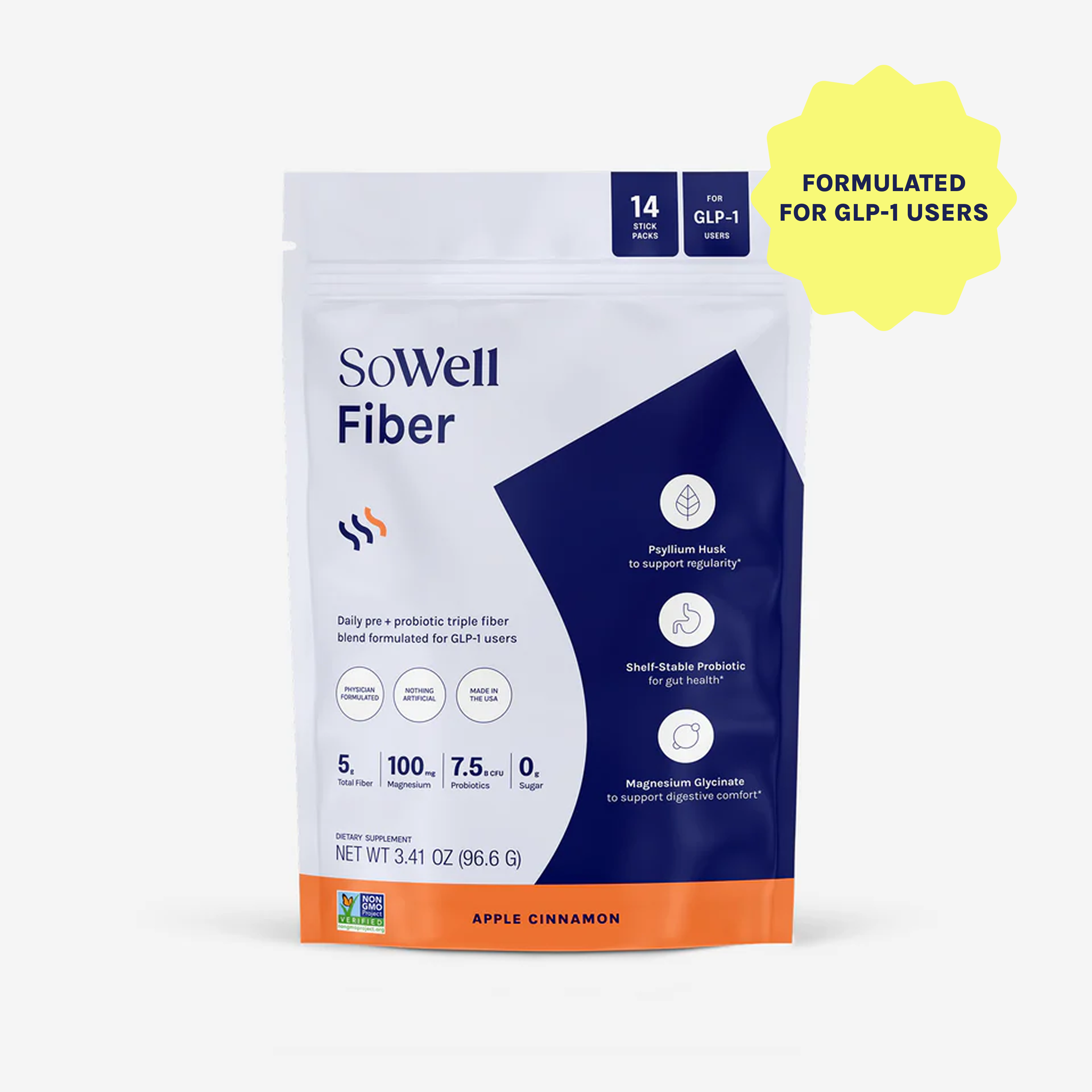
The factors with the most influence over keeping weight off aren't found in a supplement aisle. They're a clinically guided taper instead of an abrupt stop, the eating and movement habits you built during treatment, the muscle you preserved along the way, and ongoing support to catch regain early. Supplements support those efforts — hydration, protein, fiber, key nutrients — but they don't replace them.
Anyone selling you a pill as the answer to maintenance is overpromising. The answer is a plan.
The real maintenance toolkit
- A prescriber-guided taper, not a hard stop
- Preserved muscle from adequate protein
- Sustainable eating and movement habits
- Understanding your own metabolic picture
- Ongoing support to catch regain early
Free ResourceGet Dr. Sowa's GLP-1 Starter Guide
Weekly protocols, nutrition tips, and evidence-based guidance for your GLP-1 journey. Join 50,000+ readers.
★ Trusted by 50,000+ GLP-1 users · No spam, ever
How to Set Up for Maintenance
Build the plan before you need it
Talk taper, not quit. Work with your prescriber on a gradual reduction rather than stopping cold. An abrupt stop is the condition under which regain is most likely.
Protect your muscle now. Muscle preserved during treatment supports your metabolism in maintenance. Adequate protein is the foundation, and it doesn't stop mattering when the medication does.
Know your numbers. Understanding your own metabolic markers helps you and your clinician make informed decisions about how and when to taper.
Keep the habits that worked. The eating and movement patterns you built carry you when the medication's appetite suppression is gone. Don't let them lapse the day you stop.
The Bottom Line
Weight regain after a GLP-1 is common, but it's not a sentence — the research mostly describes what happens when people stop abruptly with no plan. You're not stuck with the default. Your next step isn't to find a magic maintenance pill, because it doesn't exist. It's to build a real plan: a prescriber-guided taper, preserved muscle through adequate protein, sustained habits, and a clear picture of your own metabolic markers so you can make informed decisions. For some people, understanding that metabolic picture starts with a deeper look at the biology driving their weight. Supplements support the plan. They don't replace it. Build the plan, and maintenance stops being something that happens to you.
The medication started this. A plan is what finishes it on your terms.