You poured your usual glass of wine, took a few sips, and felt it hit harder and faster than it ever used to. Or maybe the opposite happened: you barely wanted it at all.
Neither reaction is in your head. GLP-1 medications change your relationship with alcohol — sometimes dramatically.
Before your next drink, here's what's actually happening, and why the interaction matters more than most people are told.
The Myth: "A Drink or Two Is No Different Now"
Most people assume their medication and their cocktail occupy separate lanes. They don't. GLP-1 users widely report that alcohol affects them differently — often feeling intoxicated faster, or finding their desire to drink has dropped off a cliff. Both are real and both trace back to how these medications work.
Then there's the part that gets ignored entirely: alcohol and GLP-1 side effects don't mix well. Drinking can worsen nausea, deepen dehydration, and irritate a digestive system already running in slow motion. The risk isn't just feeling tipsy faster — it's stacking alcohol's effects on top of side effects you're already managing.
What changes when you drink on a GLP-1:
- Alcohol may hit faster and harder, partly due to slowed gastric emptying.
- Many users report sharply reduced cravings for alcohol.
- Drinking can amplify nausea and dehydration.
- Lower food intake means you may be drinking on a near-empty stomach.
The Biology: Why Alcohol Lands Differently
Two mechanisms are at play. First, GLP-1 medications slow how fast your stomach empties. When alcohol sits in a slowed digestive system and you're often eating less, the way it's absorbed and felt can shift — many people describe stronger effects from less. Second, GLP-1 receptors interact with the brain's reward pathways, which researchers are actively studying as a possible reason so many users report reduced interest in alcohol altogether.
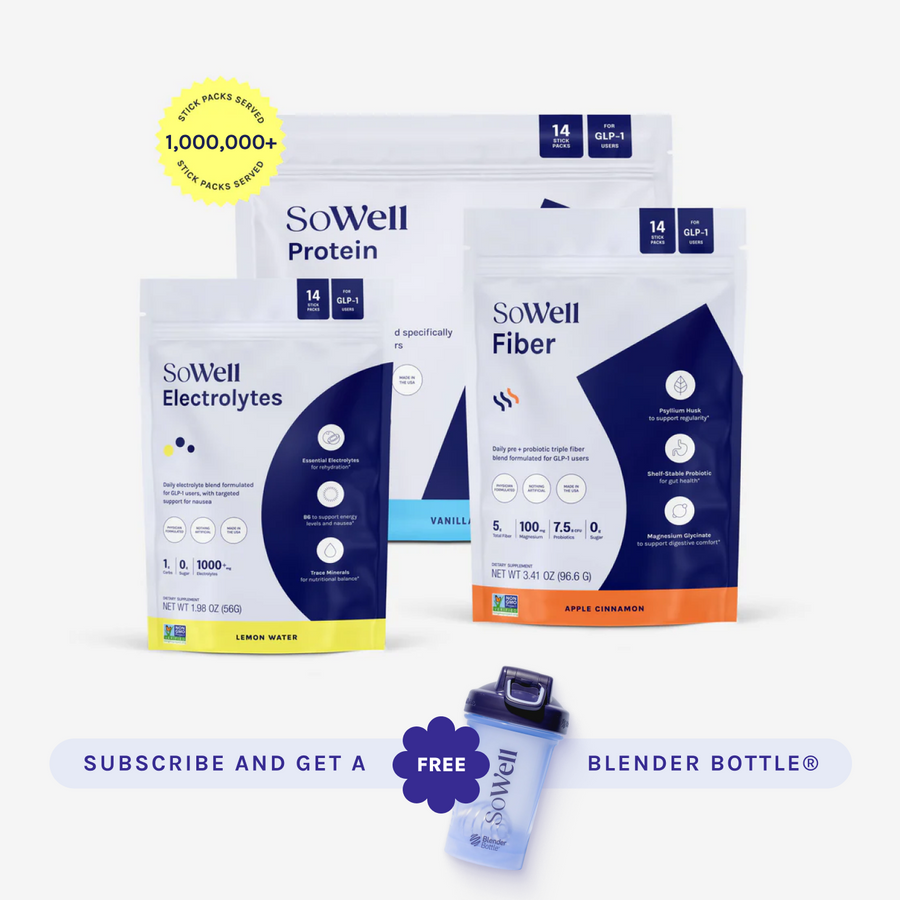
The side-effect overlap is the practical concern. Alcohol is dehydrating, and dehydration is already a problem on a GLP-1 because of suppressed thirst — the two compound each other, and dehydration makes nausea worse. If you do choose to drink, staying ahead of hydration matters more than usual, which is where a GLP-1-formulated electrolyte helps you replace what alcohol and your medication both deplete. It won't make drinking risk-free, but it addresses the dehydration that makes the next day brutal.
What to actually weigh before drinking
This isn't about a hard yes or no — that's a conversation for you and your prescriber, especially given individual health factors. It's about going in informed. Expect alcohol to potentially hit harder. Expect it to worsen nausea and dehydration if you're not careful. And don't drink on a completely empty stomach, which is easy to do when your appetite is suppressed and you've barely eaten.
Informed beats surprised, every time.
If you choose to drink
- Start slow — effects may be stronger than expected
- Don't drink on a near-empty stomach
- Hydrate with electrolytes before, during, after
- Watch for worsened nausea and stop if it hits
- Talk to your prescriber about your situation
Free ResourceGet Dr. Sowa's GLP-1 Starter Guide
Weekly protocols, nutrition tips, and evidence-based guidance for your GLP-1 journey. Join 50,000+ readers.
★ Trusted by 50,000+ GLP-1 users · No spam, ever
How to Handle Alcohol on a GLP-1
If you drink, drink smart
Expect a stronger effect. Slowed digestion and lower food intake can make alcohol hit faster. Pace yourself and start with less than you think you need.
Never drink on empty. Appetite suppression makes it easy to drink with little food in your system. Eat something with protein first.
Front-load hydration. Alcohol and your medication both dehydrate you. Electrolytes before and after blunt the worst of it.
Stop if nausea spikes. Alcohol can amplify GLP-1 nausea fast. If your stomach turns, that's your signal to stop, not push through.
The Bottom Line
Alcohol genuinely behaves differently on a GLP-1 — often stronger, sometimes less appealing, and harder on a digestive system that's already sensitive. This isn't a lecture to never drink; it's a heads-up to drink informed. Whether and how much to drink is worth raising with your prescriber given your health. But if you do, your next step is simple: don't drink on an empty stomach, pace yourself, and stay ahead of the dehydration that alcohol and your medication both cause. Go in prepared, and the surprises — and the rough mornings — get a lot smaller.
Your body changed. Your drink didn't get the memo. You can.