You finally adjusted. The nausea faded, you figured out what you could eat, life felt normal again.
Then your dose went up — and it all came roaring back.
If that just happened to you, take a breath. This isn't a sign the medication is wrong for you. It's the most predictable moment on the entire GLP-1 journey, and almost nobody warns you about it before it lands.
Every dose increase is a brand-new adjustment period.
The Myth: "If Side Effects Come Back, the Drug Isn't Working for Me"
This is the belief that makes people quit right before things get good. Side effects flaring after a titration step doesn't mean your body is rejecting the medication. It means your body is meeting a higher dose for the first time — exactly like it met the first dose weeks ago.
Clinicians commonly observe that each step up the titration ladder can re-trigger the same early symptoms: nausea, dehydration, constipation, fatigue. The intensity varies person to person, and it's often milder than the very first dose, but the pattern is familiar enough that planning for it changes the whole experience. What feels like a setback is actually the system working as designed — the higher dose is having a stronger effect, and your body needs a beat to catch up.
The cruel irony is the timing. You quit fighting the early symptoms, you got comfortable, you stopped thinking about it — and that's exactly when the dose bump arrives to reset the clock. Knowing it's coming is half the battle.
What tends to resurface at a dose bump
Nausea, as gastric emptying slows further at the higher dose
Dehydration, when food and fluid intake drop again
Constipation, as digestion slows and fiber and fluids fall short
Fatigue, riding on top of all of the above
“
"Most GLP-1 supplements weren't designed for GLP-1 users. They were designed for general wellness shoppers and rebranded when semaglutide went mainstream."
A higher dose means a stronger effect on the systems the medication acts on. Appetite drops again, so you eat and drink less right when your body would benefit from steady intake. Gastric emptying slows further, which is great for fullness and rough for nausea. And the same reduced intake that curbs appetite also quietly cuts your fluids, electrolytes, fiber, and protein — the very things that keep the side effects manageable.
That's the cascade. Less intake feeds dehydration, dehydration feeds fatigue and headaches, slowed digestion feeds constipation, and low energy makes it harder to do anything about any of it. Many users report that the days right around a dose increase are the hardest of the month — and they're also the most preventable, because unlike a random bad day, you can see them coming on the calendar.
That predictability is the whole opportunity. A dose increase is scheduled. You know the date. Which means every tool that helps — hydration, electrolytes, fiber, protein, simpler meals — can be in place before the symptoms peak instead of being a frantic response after they hit. The difference between a brutal titration week and a manageable one is usually nothing more than timing.
Wait for symptoms, then react Prepare before the bump
Most people wait until the nausea hits to do anything about it. But you know your dose-increase date in advance — which means you can hydrate, replace electrolytes, and stay ahead on fiber and protein before the symptoms peak instead of chasing them afterward, when you feel too rough to cook, shop, or plan.
You can't always stop the adjustment. You can absolutely soften the landing — and softening the landing is often the difference between staying on the medication and giving up on it.
Your titration-week game plan
Start hydrating and replacing electrolytes a few days ahead
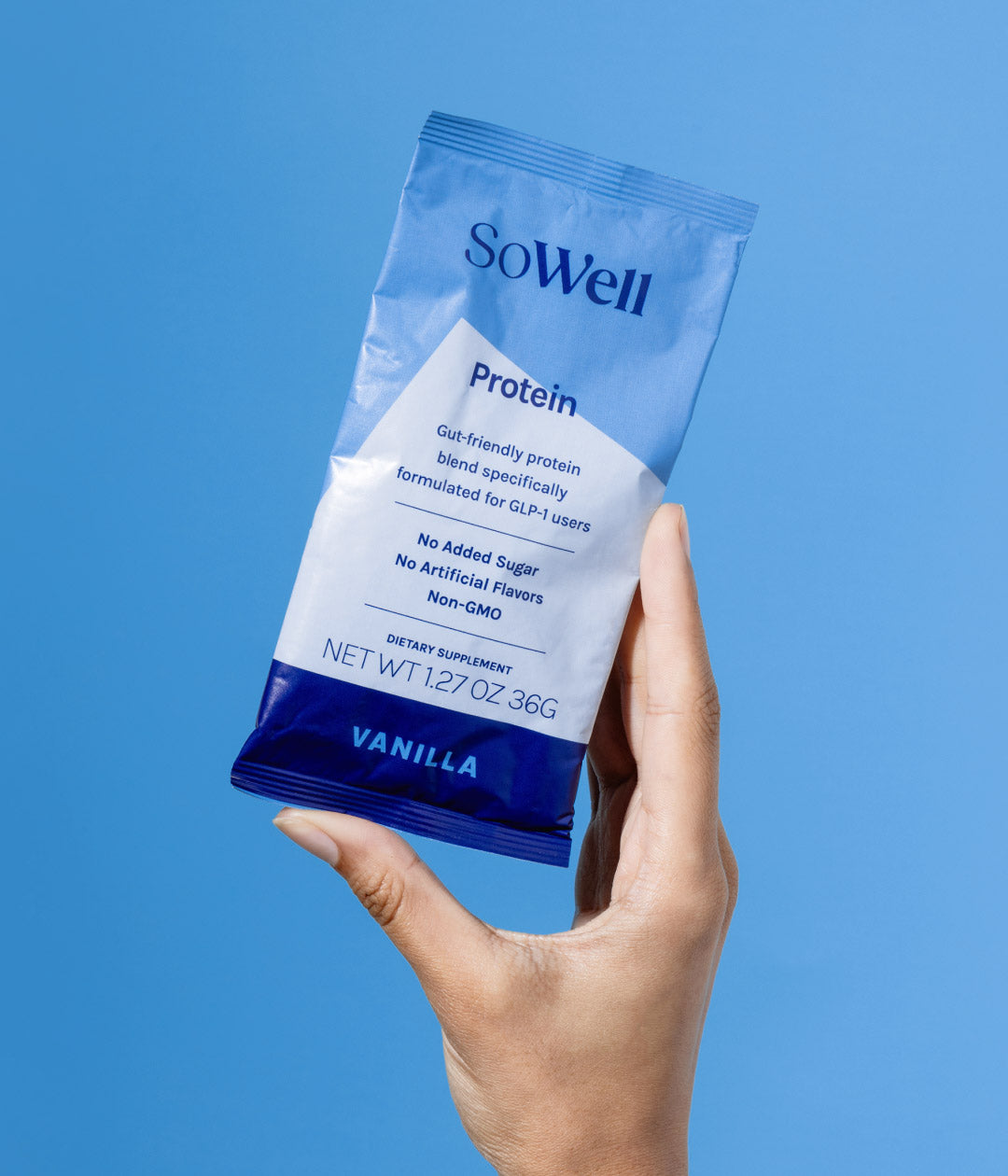
Keep protein accessible for low-appetite days
Hold fiber steady to head off constipation
Eat smaller, blander meals through the worst of it
Tell your prescriber if symptoms are severe or don't settle
Here's a detail that catches people off guard: the worst titration week isn't always the first one. Sometimes an early step is mild and a later one hits harder, or vice versa, because your body's response isn't perfectly linear. That unpredictability is exactly why a standing routine beats reacting case by case — if hydration, electrolytes, fiber, and easy protein are simply always in place around a dose change, you're covered whether that particular step turns out to be gentle or rough. You stop gambling on which weeks will be bad and just stay prepared for all of them.
The reassuring through-line is that titration is temporary by design. Each rough patch is your body catching up to a higher dose, and catching up is exactly what it's built to do. The discomfort has an expiration date, the tools to soften it are simple and known, and the date it arrives is on your calendar. Few challenges on the GLP-1 journey are this predictable — which makes this one, paradoxically, among the most manageable once you stop being surprised by it.
4.8 Stars (73 Reviews)
Trusted by thousands of GLP-1 users
The GLP-1 Support System
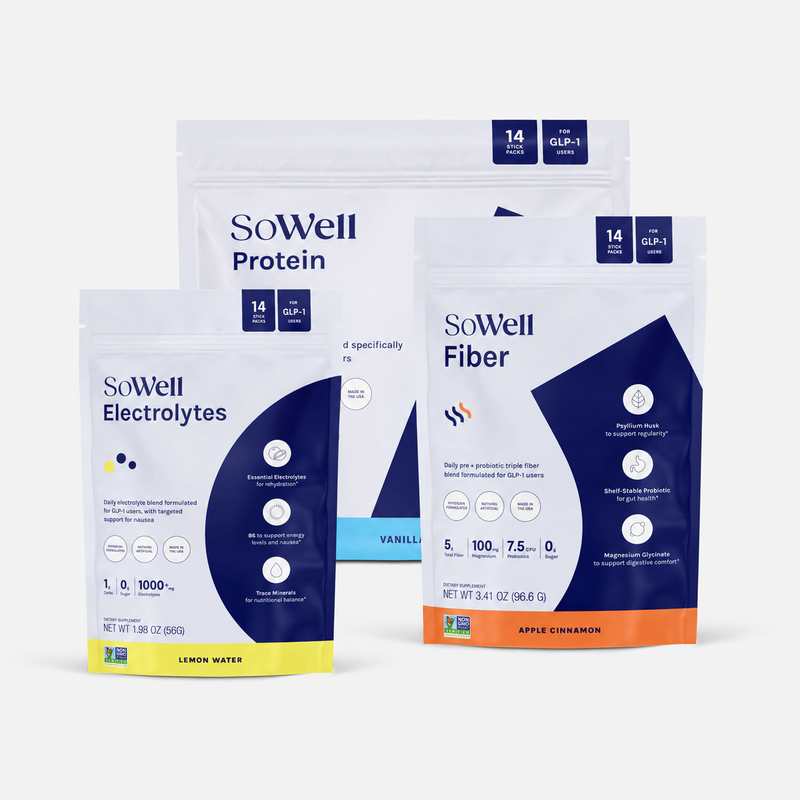
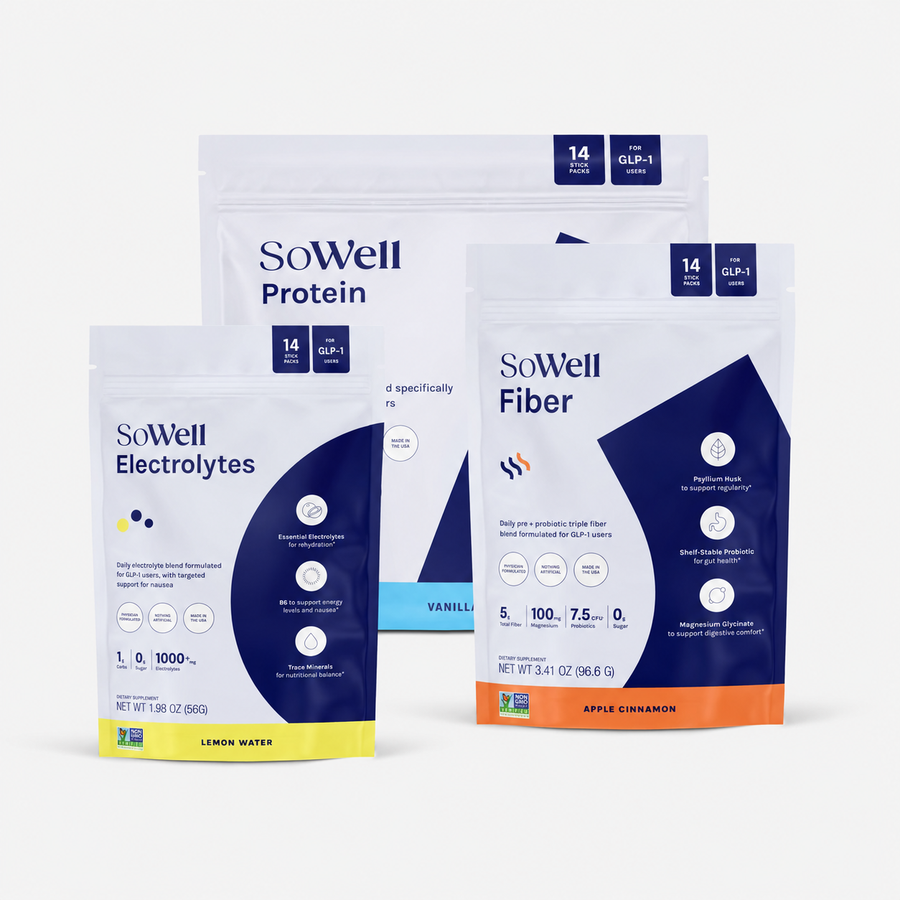
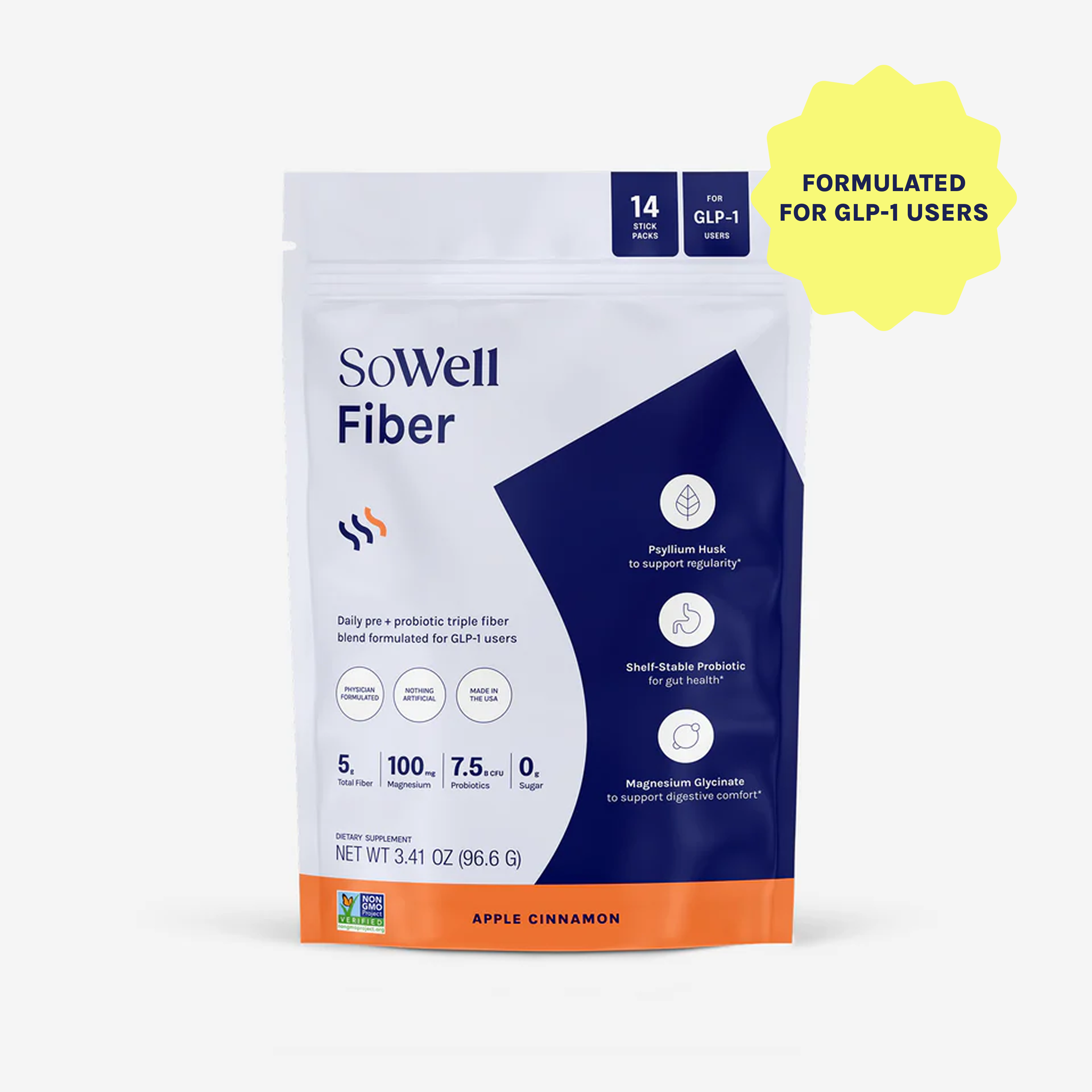
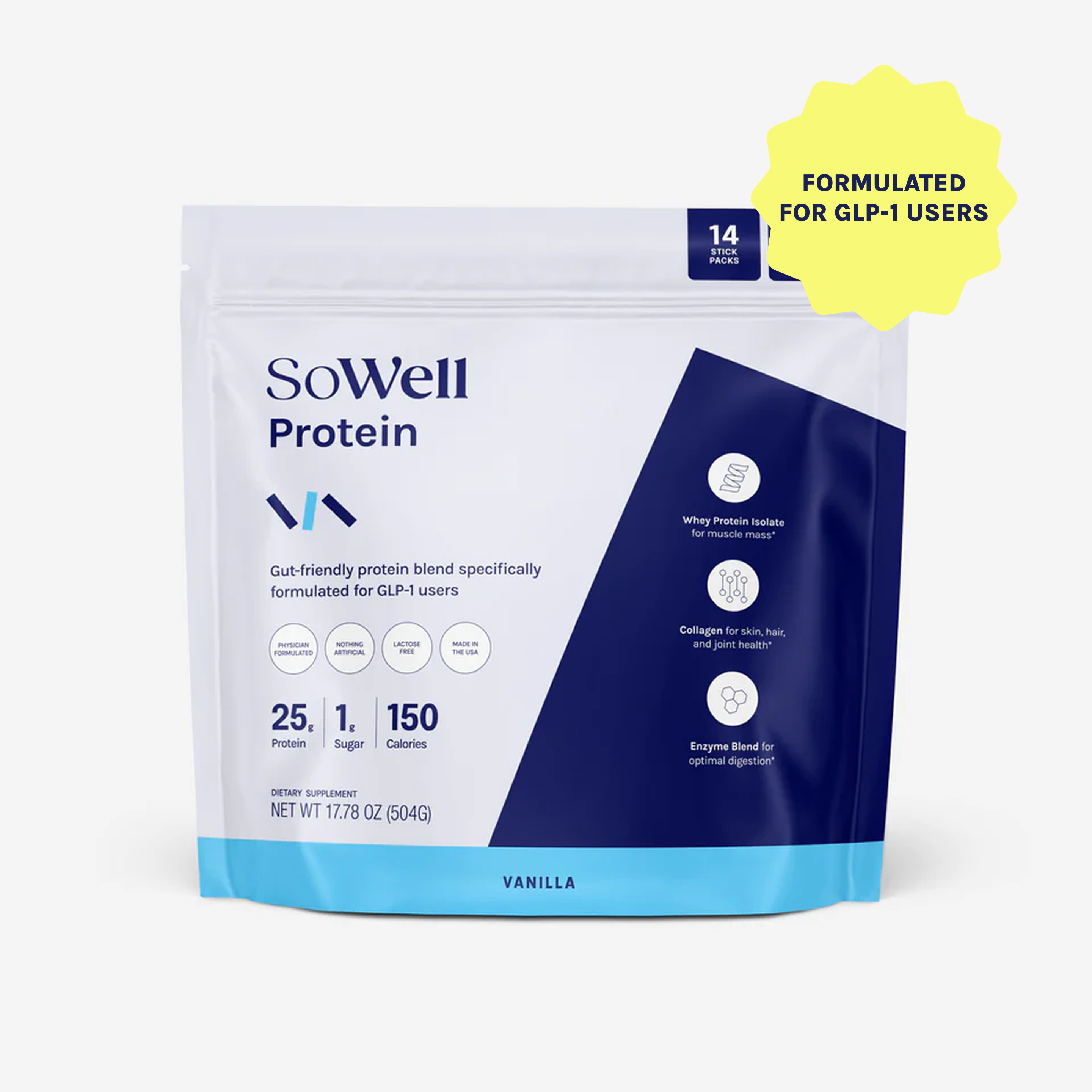
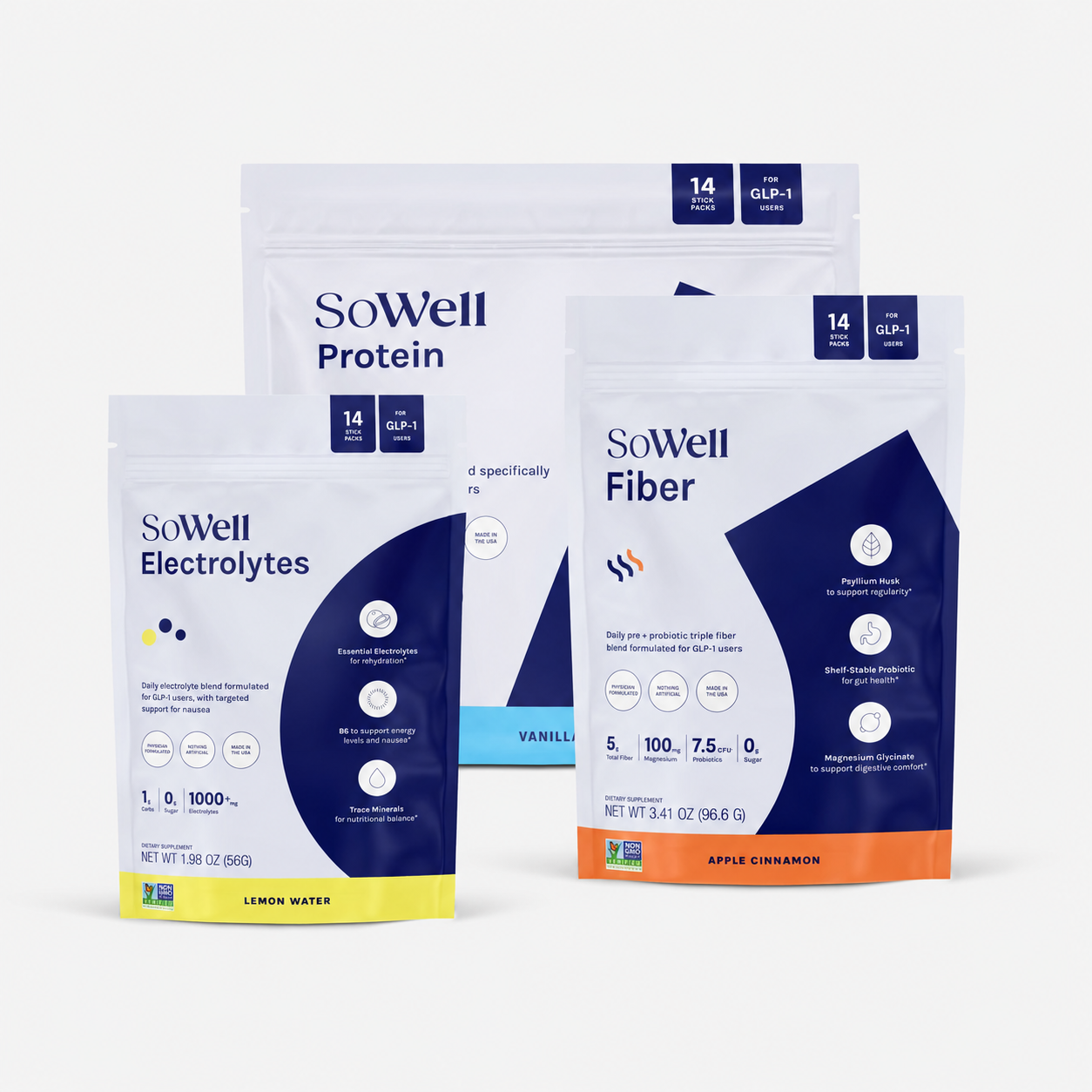
STARTER PACK INCLUDES: 14 SoWell Electrolytes stick packs in Lemon Water ($34.99 value) 14 SoWell Protein packs in Vanilla ($44.99 value) 14 SoWell Fiber stick packs in Apple Cinnamon ($34.99...
$114.97$104.97
Quantity:
Free Resource
Get Dr. Sowa's GLP-1 Starter Guide
Weekly protocols, nutrition tips, and evidence-based guidance for your GLP-1 journey. Join 50,000+ readers.
★ Trusted by 50,000+ GLP-1 users · No spam, ever
How to Manage a Dose Increase
Time it to the titration calendar
Hydrate proactively. Reduced intake means reduced fluids and electrolytes. Replacing them ahead of a dose bump addresses what plain water alone can't, and helps blunt the fatigue-and-headache wave before it crests.
Keep protein effortless. When appetite craters, easy protein protects muscle and gives you steady energy without forcing a full meal you don't want and can't finish.
Stay ahead on fiber. Constipation is one of the most common escalation complaints. Consistent fiber from before the bump is far easier than digging out after the fact.
Go bland and small. For the first few days at a new dose, smaller, simpler meals tend to sit better than rich, greasy, or heavily spiced ones.
It's also worth tracking your own pattern. After your first dose increase, make a mental or written note of how it went: which symptoms showed up, how long they lasted, what helped. By the second or third titration step, you'll have a personal playbook — you'll know whether nausea or constipation is your main issue, and you can lean harder on the fix that matters most for you. The medication's titration schedule is predictable, and so, increasingly, are you.
And keep the bigger picture in view. Each dose increase exists because you and your prescriber are working toward an effective dose, so the rough days are a sign of forward motion, not malfunction. Reframing titration week as 'the cost of progress' rather than 'something going wrong' changes how you experience it — and makes you far less likely to abandon a medication that's actually doing exactly what it's meant to do.
The Bottom Line
A dose increase isn't a setback — it's a known checkpoint with a known set of side effects, which means it's something you can prepare for instead of suffer through. The reader who gets through titration comfortably is the one who hydrates, replaces electrolytes, and holds protein and fiber steady in the days around the bump. A coordinated GLP-1 support system built for exactly these moments — with electrolytes designed for reduced-appetite days — turns the hardest week of the month into a manageable one.
The dose went up. That's progress, not a problem. Prepare for it like the checkpoint it is.
4.8 Stars (73 Reviews)
Trusted by thousands of GLP-1 users
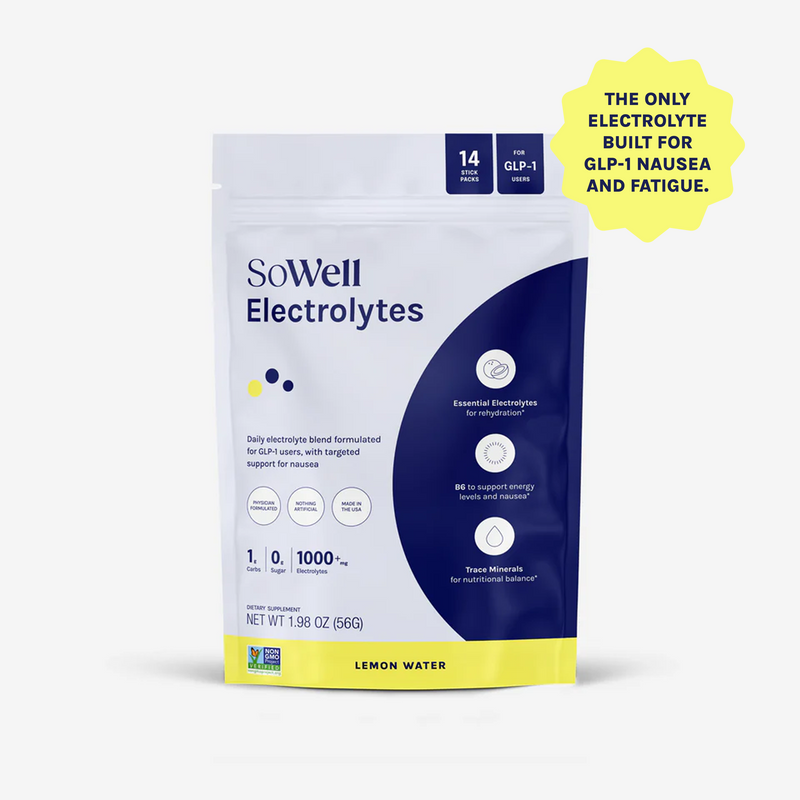
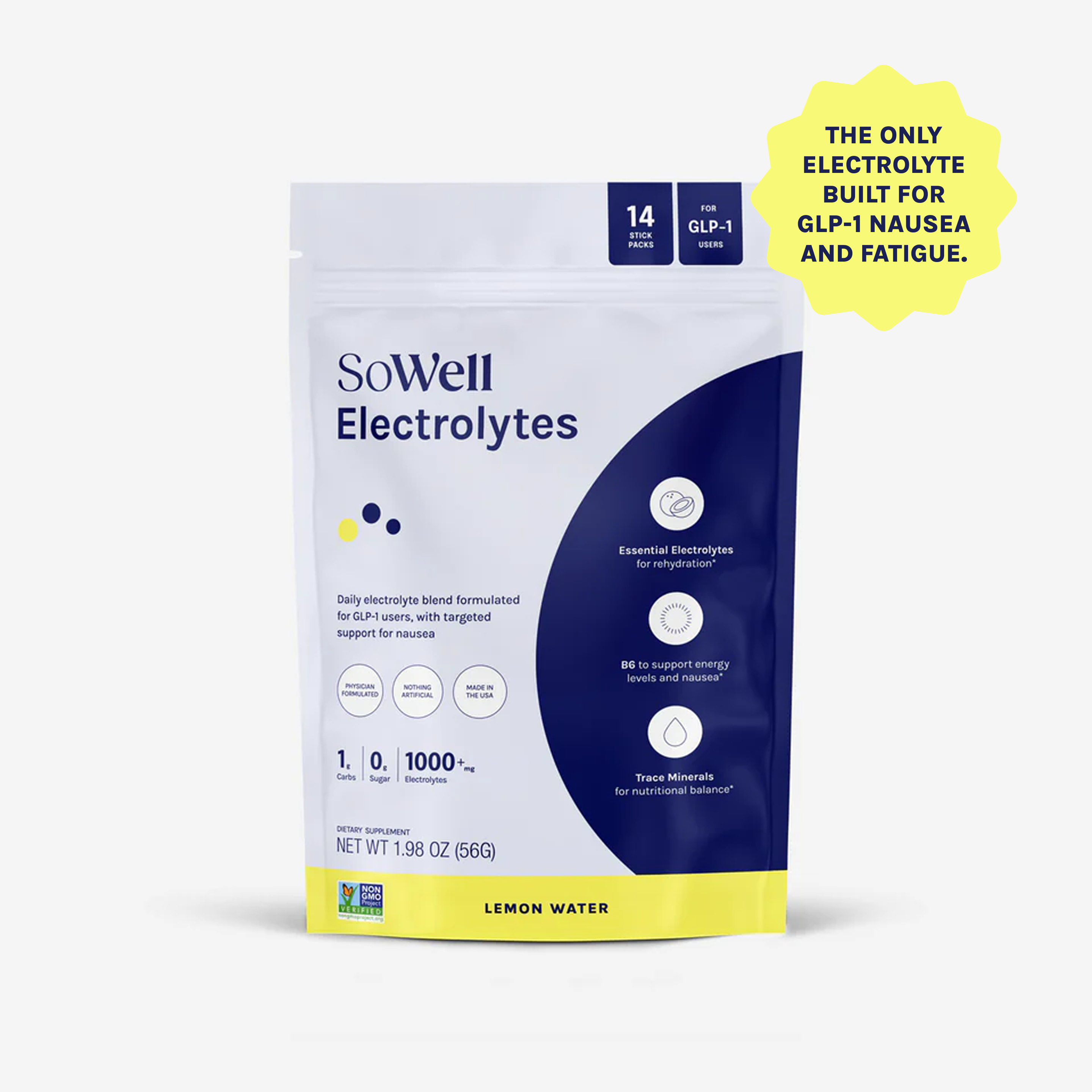
SoWell Electrolytes
Grab-and-go stick packs in a resealable, travel-friendly bag Light, refreshing, natural lemon water flavor Super dissolvable powder leaves no residue or grit 1g carbs...
Why do my side effects come back when I increase my dose?
Because a higher dose is a fresh adjustment for your body. Clinicians commonly observe that each titration step can re-trigger early symptoms like nausea, constipation, dehydration, and fatigue as your system adapts to the stronger effect. It usually settles as you stabilize at the new dose, and is often milder than the very first dose.
How long do side effects last after a dose increase?
It varies, but many users report the toughest stretch is the first several days at a new dose, easing as the body adjusts. Staying ahead on hydration, electrolytes, protein, and fiber tends to shorten and soften that window. If symptoms are severe or persistent, contact your prescriber.
Should I prepare before my dose goes up?
Yes — that's the single biggest lever. Because you know the date in advance, you can begin hydrating, replacing electrolytes, and keeping fiber and protein consistent a few days before, so you're getting ahead of symptoms rather than reacting once they peak and you feel too rough to act.
When should I call my doctor about titration side effects?
Reach out if symptoms are severe, don't settle after the initial adjustment period, or interfere with your ability to keep down fluids. Persistent vomiting, signs of dehydration, or severe abdominal pain warrant prompt medical attention. Your prescriber can adjust the pace of titration if needed.
4.8 Stars (73 Reviews)
Trusted by thousands of GLP-1 users
GLP-1 Support System Sample Pack
GLP-1 Support System Sample Pack
$19.99
4.8 Stars (73 Reviews)TRUSTED BY THOUSANDS OF GLP-1 USERS
The GLP-1 Support System
Everything you need for a supported GLP-1 journey — fiber, protein, and essential micronutrients in one physician-formulated bundle. Save 20% vs. buying separately.
$104.97
$114.97
Quantity:
About the Author
Dr. Alexandra Sowa, M
Internal Medicine & Obesity Medicine Specialist · SoWell Medical Advisor
Dr. Sowa is a dual board-certified physician specializing in internal and obesity medicine. She is the founder of SoWell and the author of The Ozempic Revolution. Her practice focuses on evidence-based metabolic health and GLP-1 therapy, and she has been featured in The New York Times, Today Show, and Good Morning America.
*These statements have not been evaluated by the Food and Drug Administration. Products are not intended to diagnose, treat, cure, or prevent any disease.