You spent years being told weight loss was simple math: calories in, calories out. Track everything, stay under your number, watch the pounds drop.
Now you're on a GLP-1, eating noticeably less without trying, and the old spreadsheet feels both pointless and slightly alarming. Some days you can barely hit half your "target."
Here's the reframe nobody gives you: on a GLP-1, obsessive calorie counting isn't just unnecessary. It can actively work against you.
The Myth: "Eat as Little as Possible and the Weight Flies Off"
Diet culture trained you to treat fewer calories as always better. On a GLP-1, that instinct backfires. The medication already suppresses your appetite — sometimes dramatically. If you layer aggressive calorie restriction on top of that, you're not accelerating fat loss. You're risking muscle loss, nutrient gaps, fatigue, and hair shedding.
The goal on a GLP-1 isn't to eat as little as possible. It's to eat well enough within a naturally smaller appetite — which means the metric that matters flips entirely.
What aggressive under-eating costs you:
- Muscle loss, because too little protein means your body breaks down lean tissue.
- Nutrient deficiencies, because less food means fewer vitamins and minerals.
- Fatigue and hair shedding, common signs of under-fueling.
- A slower metabolism over time, working against long-term results.
The Reframe: Track Quality, Not Just Quantity
When appetite suppression is doing the calorie-reduction work for you, counting calories becomes the wrong tool. Your problem is no longer eating too much — it's making sure the limited food you do eat covers what your body actually needs. That shifts the question from "how little can I eat?" to "is what I'm eating enough of the right things?"
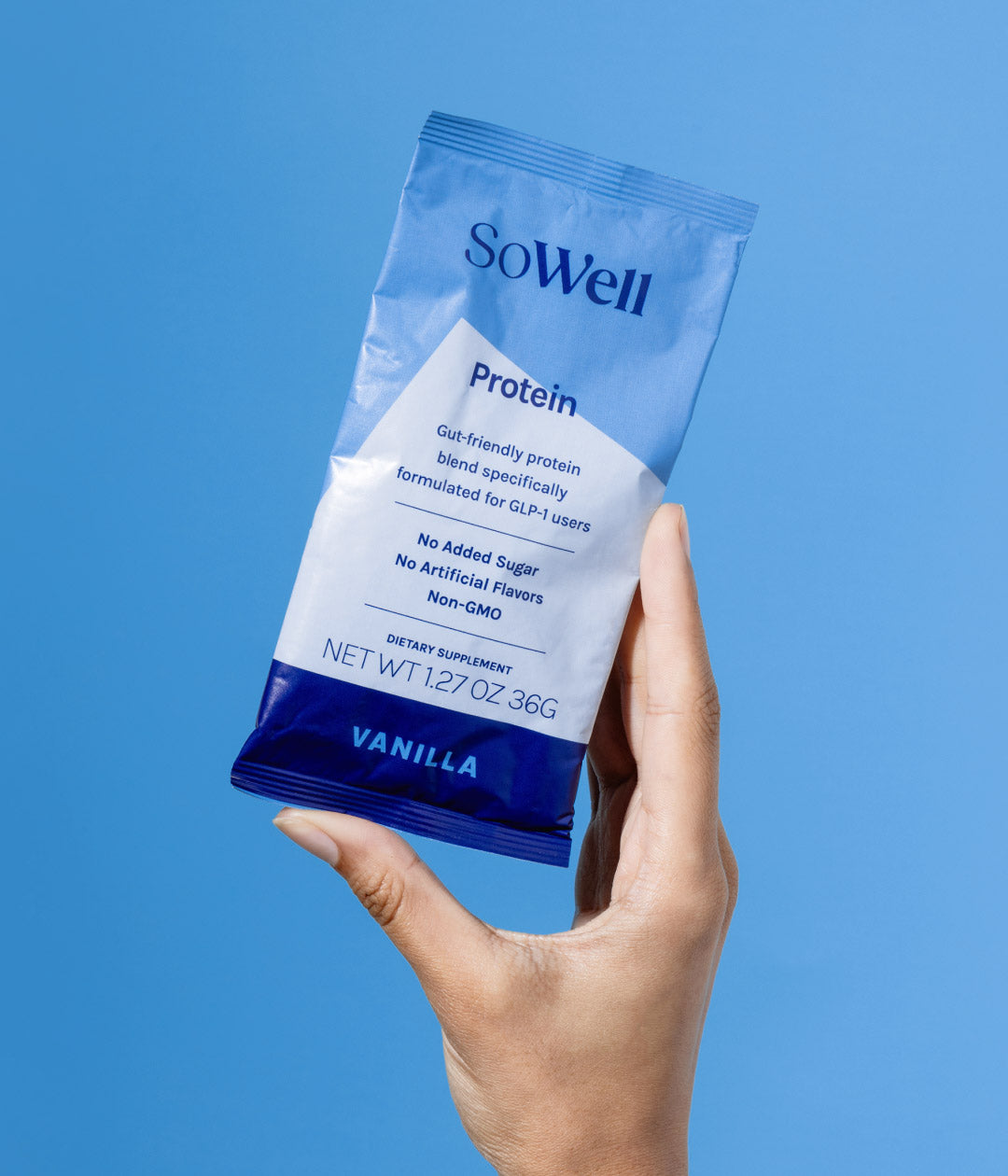
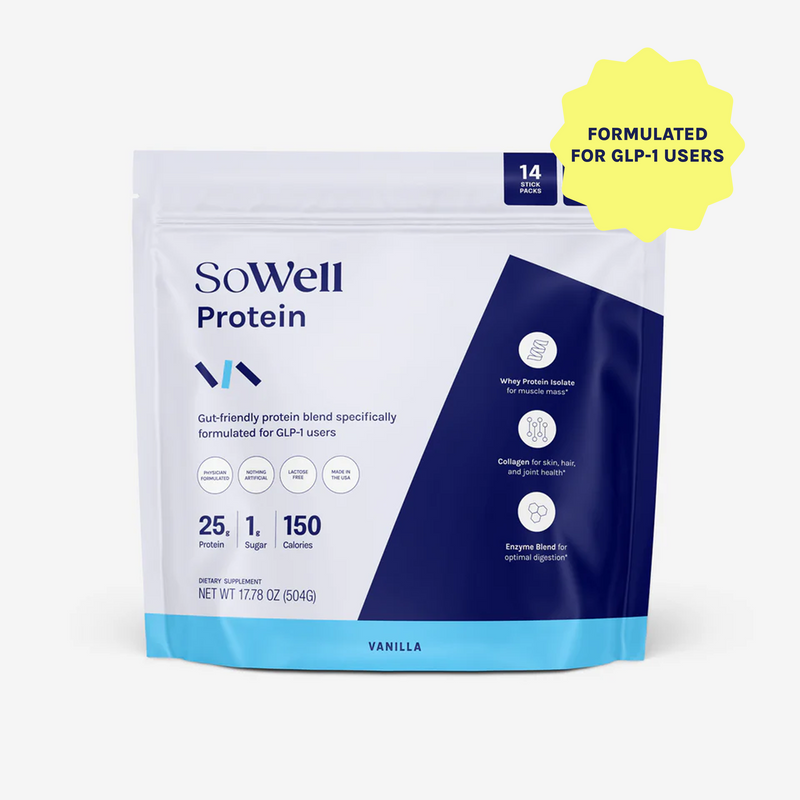
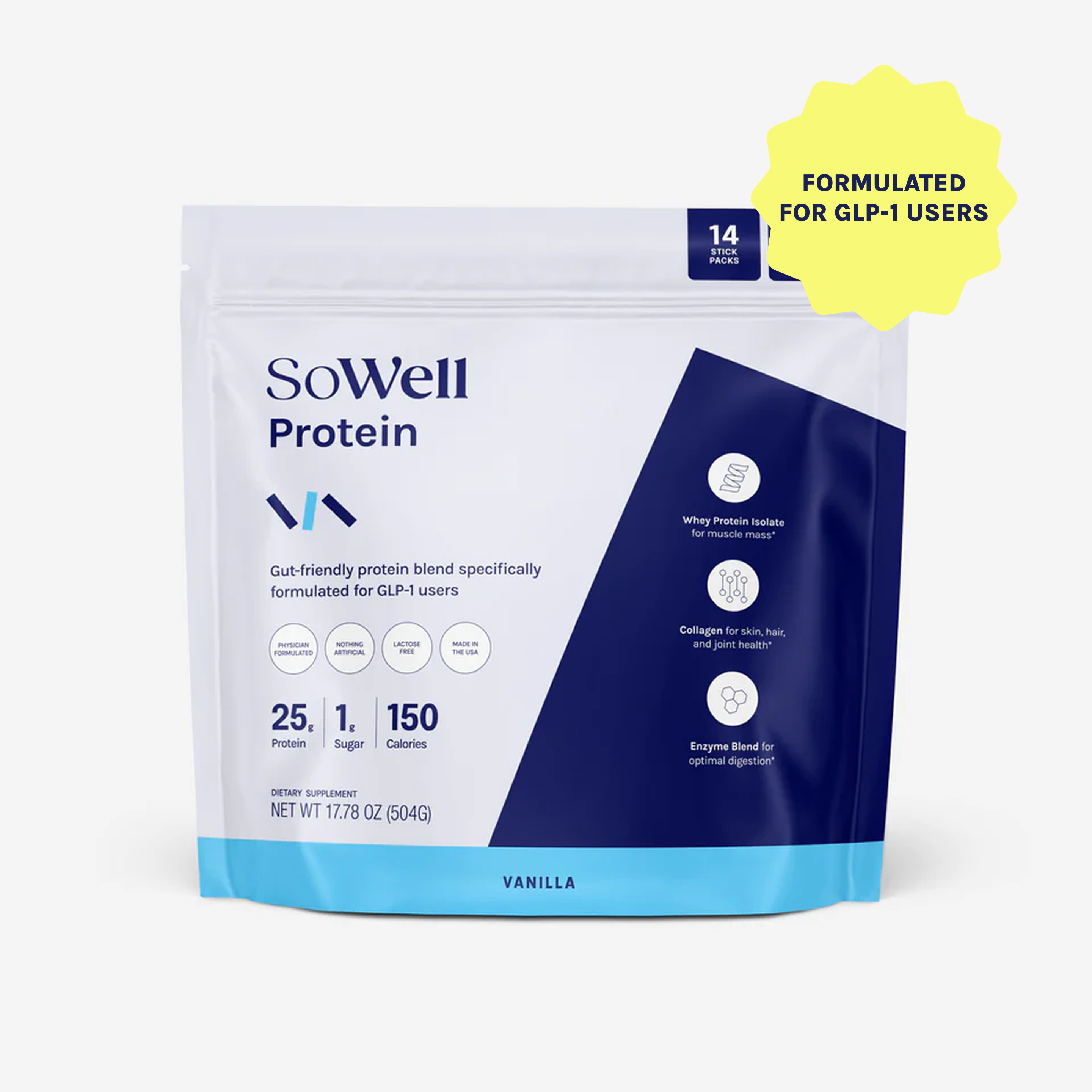
Protein is the single most important thing to track. When you're eating less overall, hitting a protein target protects muscle, supports skin and hair, and keeps you fuller longer. Most GLP-1 users struggle to get enough through food alone once appetite drops — which is exactly why a protein source built for a smaller appetite earns its place. It lets you hit your protein number without forcing down volume you can't manage.
The old metric vs. the one that matters
Track every calorie and drive the number as low as possible.
On a GLP-1, that's measuring the wrong thing. The medication handles calorie reduction. Your job is composition: getting enough protein, fiber, and key nutrients into a smaller window of eating. Track whether you hit your protein target. Track whether you're staying hydrated. Track whether you're getting fiber. Those numbers predict how you'll feel and how well you'll preserve muscle far better than a calorie tally.
What to track instead of calories
-
Protein — your top priority every day
-
Hydration — fluids and electrolytes
-
Fiber — for digestion and fullness
-
Key nutrients — B vitamins, magnesium, iron
-
How you feel — energy, not just the scale
Free ResourceGet Dr. Sowa's GLP-1 Starter Guide
Weekly protocols, nutrition tips, and evidence-based guidance for your GLP-1 journey. Join 50,000+ readers.
★ Trusted by 50,000+ GLP-1 users · No spam, ever
How to Track What Actually Matters
Trade the calorie spreadsheet for a quality checklist
Set a protein target, not a calorie ceiling. Aim to hit a daily protein number. This single shift protects muscle and keeps you satisfied within a smaller appetite.
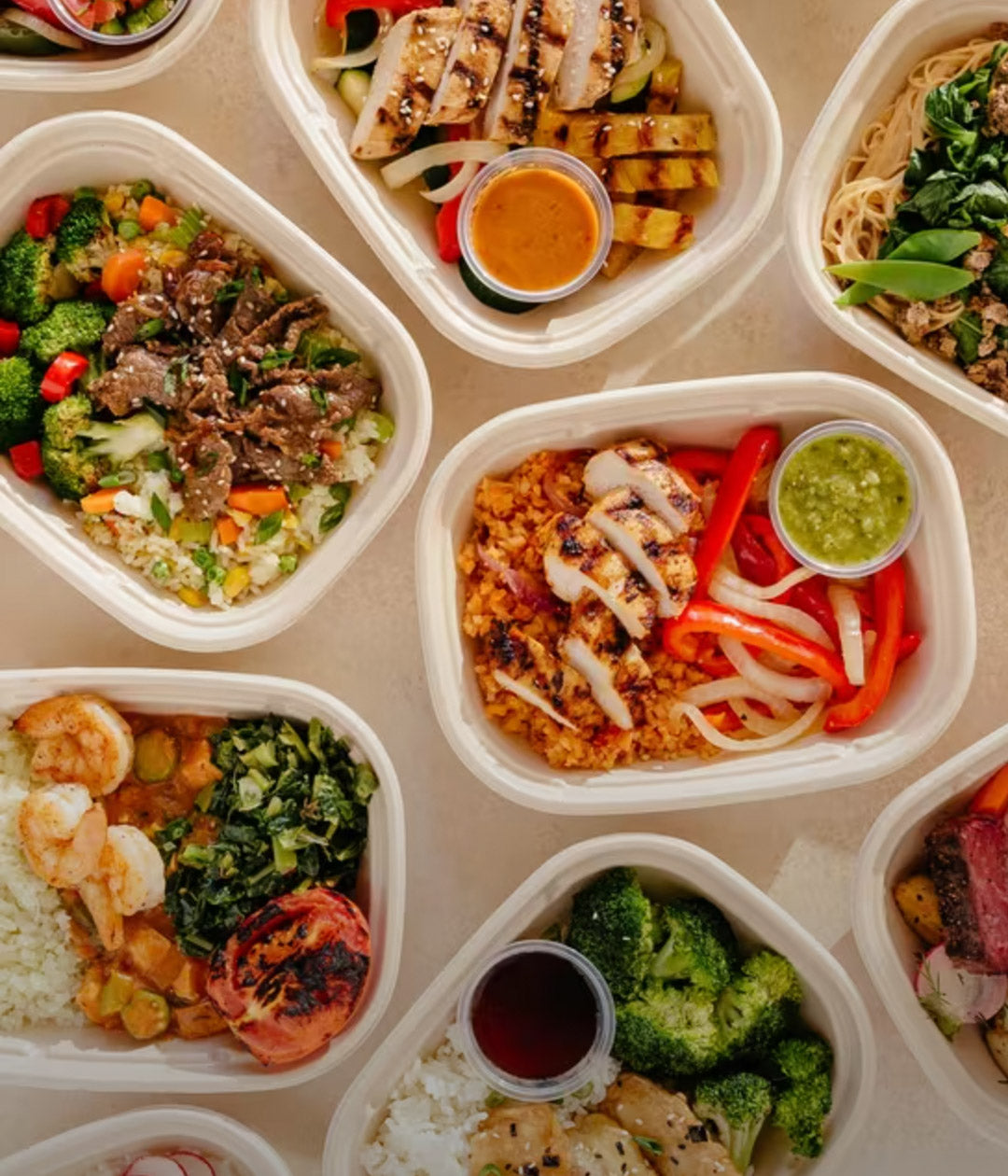
Make every bite count. When you can only eat a little, prioritize nutrient-dense food over empty volume. Quality over quantity is the whole game now.
Watch for under-fueling signals. Persistent fatigue, hair shedding, and dizziness can mean you're eating too little, not too "well." Adjust up, not down.
Don't fear eating enough. Adequate intake supports your metabolism and results long-term. Starving yourself on top of the medication sabotages both.
The Bottom Line
The calories-in-calories-out spreadsheet that defined every previous diet is the wrong tool on a GLP-1. The medication already reduces how much you eat — your job is to make that smaller amount count. Stop driving your calorie number toward zero and start tracking whether you hit your protein, hydration, and fiber targets instead. Your next step is concrete: set a daily protein goal and build your eating around it, because protein is the metric that protects your muscle, your energy, and your results. Eat well enough, not as little as possible.
The scale was never the whole story. Stop starving. Start fueling.