Nobody wants to talk about the off-ramp.
The conversation around GLP-1s is all about getting on, dialing in the dose, watching the scale move. Then one day — cost, supply, a doctor's call, a plateau you're done fighting, a pregnancy plan, a side effect you're tired of — you stop. And the question nobody prepped you for arrives: now what?
Here's the honest answer most marketing won't give you.
The weight doesn't stay gone on autopilot. And a supplement isn't going to change that. But a real plan might.
“
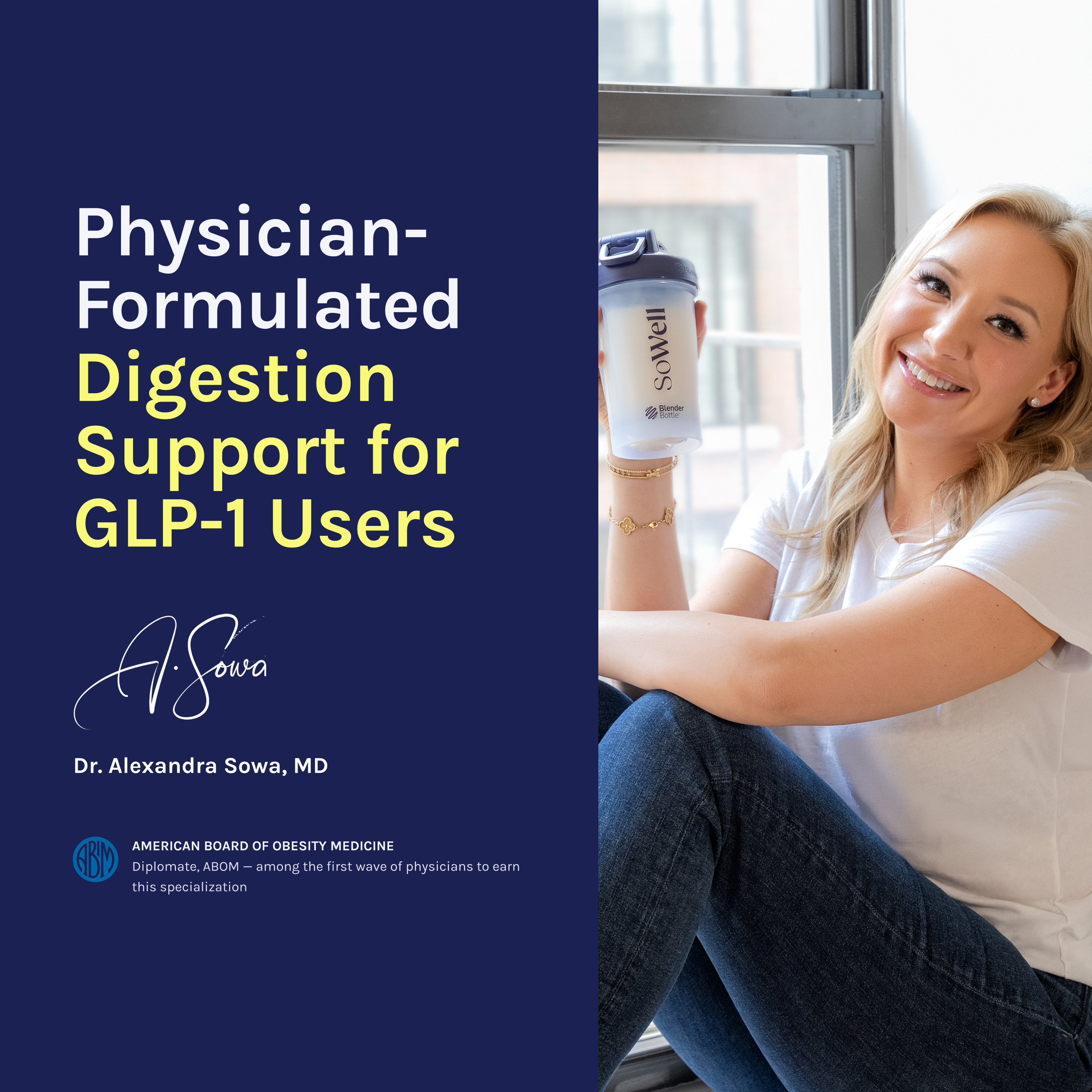
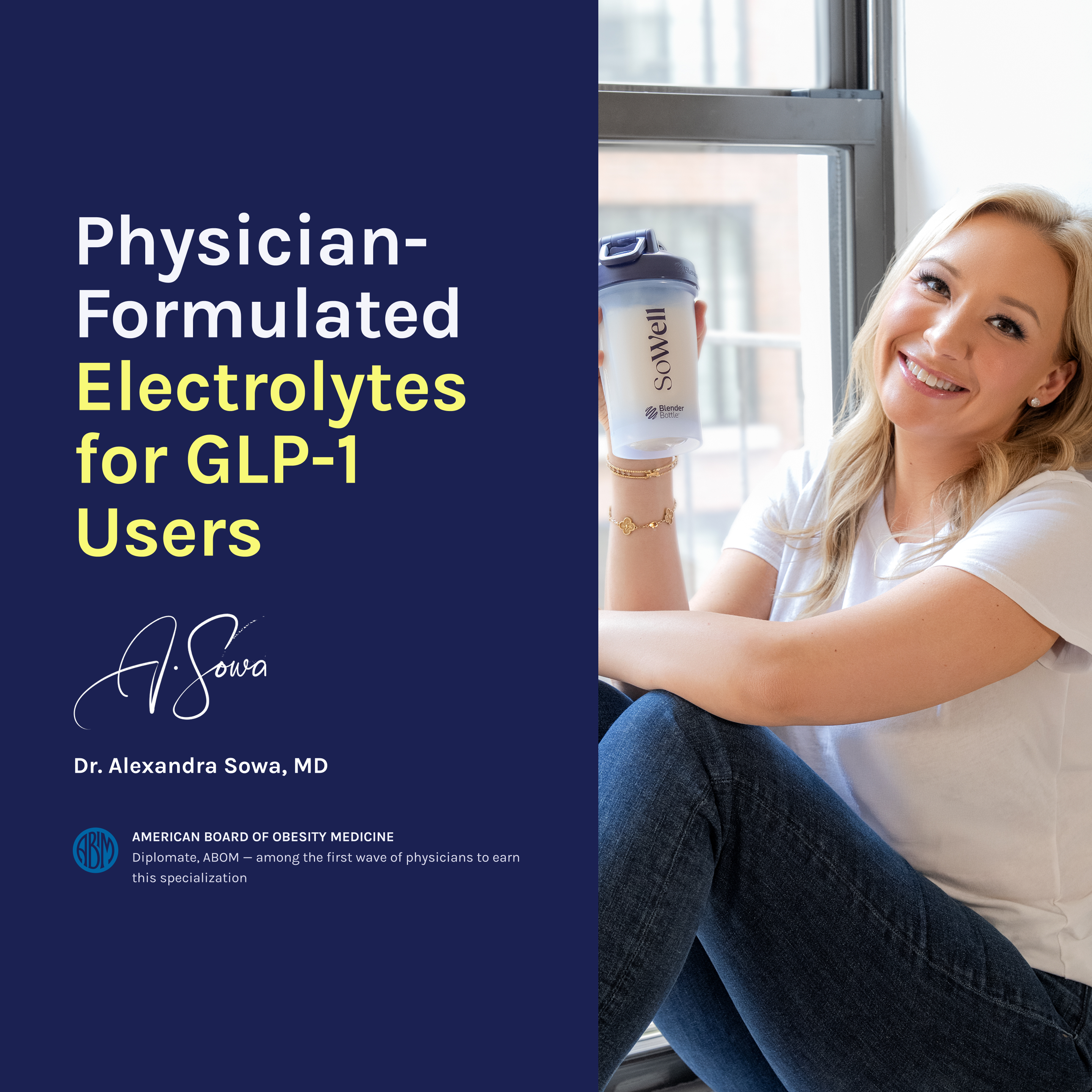
"Most GLP-1 supplements weren't designed for GLP-1 users. They were designed for general wellness shoppers and rebranded when semaglutide went mainstream."
ASDr. Alexandra Sowa, MDInternal Medicine & Obesity Medicine Specialist
The Myth That Sets People Up to Fail
The assumption goes like this: I lost the weight, so the weight is handled. Stop the medication, keep the results. Mission accomplished.
Biology disagrees. GLP-1 medications work in part by quieting appetite signals and slowing gastric emptying so you feel full sooner and longer. When the medication leaves your system, those signals don't stay quiet out of loyalty — research has observed that hunger and appetite tend to return toward their baseline, and clinical studies have documented significant weight regain after discontinuation when there's no maintenance plan in place.
Read that again. When there's no plan. The regain isn't a moral failure or proof the drug was a crutch. It's predictable physiology — and predictable physiology can be planned for. The people who keep most of their progress aren't superhuman. They saw the off-ramp coming and built for it.
The mistake is treating the end of the medication as the end of the work, when it's really a transition between two phases: the medication-assisted phase and the self-sustaining phase. Skip the transition and the gap between them is where regain happens.
Why the body pushes back
- Appetite signaling returns toward pre-medication levels, so hunger comes back
- Muscle lost during rapid weight loss lowers your metabolic rate if it wasn't protected
- Old habits rush into the vacuum if new ones never fully formed
- The "I'm done" mindset quietly ends the structure that produced the results
I'll just keep the results I'll keep the structure
Results are an outcome. Structure is what produces the outcome on repeat. The people who hold their progress after a GLP-1 aren't the ones with more willpower — they're the ones who kept the protein, fiber, and hydration habits the medication made easy, so those habits were already automatic when the appetite returned.
The medication bought you time to build the system. The off-ramp is where the system proves itself — or where its absence shows.
What a real maintenance plan covers
- A tapering timeline built with your prescriber — not cold turkey
- A protein target you're actually hitting before you stop
- Consistent fiber for fullness and digestive regularity
- Steady hydration and electrolytes through the transition
- A weekly weight check-in to catch drift early
- Realistic expectations: some fluctuation is normal, not failure
Free ResourceGet Dr. Sowa's GLP-1 Starter Guide
Weekly protocols, nutrition tips, and evidence-based guidance for your GLP-1 journey. Join 50,000+ readers.
★ Trusted by 50,000+ GLP-1 users · No spam, ever
The Off-Ramp Framework
Stopping a GLP-1 well is its own skill, separate from starting one. The medication did a lot of the heavy lifting on appetite; coming off means rebuilding the structure that keeps results without that chemical assist. Four levers do most of the work — and all of them benefit from being in place before you taper, not scrambled together afterward.
First: taper with your doctor, not alone. A gradual, monitored step-down gives your appetite time to return in stages instead of all at once, and lets your prescriber adjust if regain or other symptoms appear. This is the part no supplement addresses. It requires a clinical relationship and a timeline, and skipping it is the single fastest path to the regain numbers you've read about.
Second: protect muscle with protein. The muscle you keep is the metabolism you keep. Rapid weight loss can cost you lean mass, and a lower metabolic rate makes maintenance significantly harder once appetite returns. Getting enough protein daily — before, during, and after the taper — is one of the highest-leverage things you can do. It's not glamorous. It matters more than almost anything else on this list.
Third: hold fiber for satiety. As the medication's appetite suppression fades, fiber takes on more of the fullness load. It also keeps digestion regular through the transition, which matters because GLP-1s have been slowing your gastric emptying for months. Fiber doesn't replicate the drug's effect, but it smooths the hunger curve in a way that nothing else on a plate reliably does.
Fourth: keep hydration and electrolytes steady. Some of the fatigue and headaches people attribute to stopping the medication are partly fluid and electrolyte related. Staying ahead of that makes the transition feel less rough and keeps you functional through the adjustment window.
Before and After You Taper
Build the taper with your prescriber. A monitored, gradual step-down is the foundation of the whole plan. No supplement substitutes for this conversation — it's where your clinical support lives, and it's where regain gets caught early if it starts.
Front-load protein before you stop. Don't wait until hunger returns to start hitting your protein target. Build the habit while the medication is still making it easier, so it's automatic when the appetite comes back.
Keep fiber non-negotiable. As appetite returns, fiber helps you feel full on less and maintains the digestive regularity that slowed gastric emptying has been masking. It's the quietest part of the plan and one of the most important.
Don't drop hydration. Fatigue and headaches during the transition are often partly electrolyte-related, not just the medication leaving. Steady electrolytes keep that layer of discomfort manageable while everything else adjusts.
Think about what actually happened during your time on the medication. For months, eating well was easy — the appetite suppression did the heavy lifting, so protein, smaller portions, and steadier choices all came without much fight. That ease was the gift. It was also the window. Habits that only feel effortless when a drug is making them effortless aren't fully yours yet. The off-ramp is where you find out which ones you actually own.
Building them deliberately, before the taper, is how you make sure the answer is: I own them.
One more piece worth naming: the mental shift. Coming off a GLP-1 can feel like losing a safety net, and that anxiety is real. The antidote isn't willpower — it's trusting the structure you built. If your protein, fiber, and hydration habits are genuinely automatic, you don't have to rely on motivation to carry you through the return of appetite. The habits do the work. That's the entire reason to build them before you taper rather than scrambling once hunger returns.
It also helps to redefine what success looks like on the off-ramp. Holding most of your progress, staying strong, and keeping your habits is a win — even if the scale ticks up a few pounds as your body settles. Expecting to maintain an exact number with zero fluctuation sets you up to panic at normal variation and abandon the whole plan. Aim for a sustainable range and a strong, well-fueled body. Not a frozen number.
The Bottom Line
Stopping a GLP-1 doesn't have to mean watching the weight come back. But a supplement isn't a maintenance plan, and neither is willpower. The plan has four parts: a clinical taper with your prescriber, protein to protect your lean mass, fiber to carry the satiety load, and steady hydration through the adjustment. Nutritional support — including the tools that kept you covered on-medication — can help hold the nutritional foundation while everything else transitions. But the foundation itself is built from habits, a taper timeline, and honest expectations. Start there.
The drug was never the whole plan. It was the head start. What you build with it is the maintenance.