Every GLP-1 user learns the rhythm eventually: you settle into a dose, you feel okay, and then comes the increase — and the rough days return like they never left.
Most people white-knuckle through it. Eat almost nothing, wait for it to pass, hope it's not too bad this time.
There's a better way to handle escalation weeks, and it starts with how you eat through them.
The Myth: "Just Eat Less Until the Side Effects Pass"
When nausea spikes after a dose increase, the instinct is to barely eat at all. Understandable — food sounds awful. But near-total under-eating during escalation creates its own problems: muscle loss, nutrient gaps, fatigue, and a longer, harder adjustment.
The goal during an increase isn't to eat as little as possible. It's to eat strategically — the right foods, in the right form, at the right time — so you cover your body's needs without triggering the symptoms you're trying to avoid.
What escalation weeks demand:
- Protein, to protect muscle when intake naturally drops.
- Hydration and electrolytes, since nausea and dehydration compound.
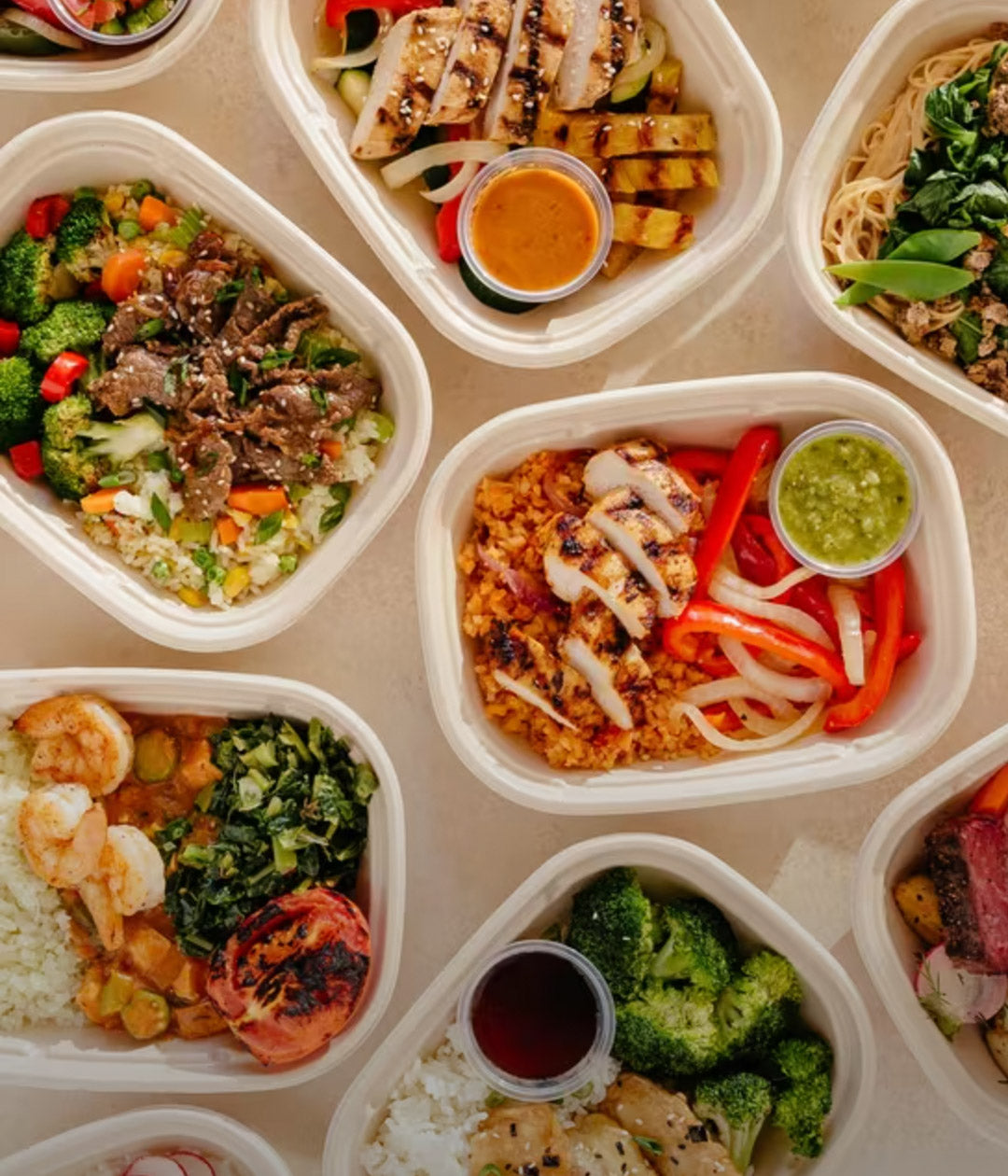
- Easy-to-tolerate forms, because solid food can feel impossible.
- Steady fiber, to keep constipation from stacking on top.
“
"Most GLP-1 supplements weren't designed for GLP-1 users. They were designed for general wellness shoppers and rebranded when semaglutide went mainstream."
ASDr. Alexandra Sowa, MDInternal Medicine & Obesity Medicine Specialist
The Biology: Why Each Increase Resets the Clock
Every dose increase intensifies the medication's effect on gastric emptying and appetite. Your digestive system, which had adapted to the previous dose, now has to recalibrate again — which is why side effects you thought you'd left behind come back for a week or two. This is expected, not a sign the medication has turned on you.
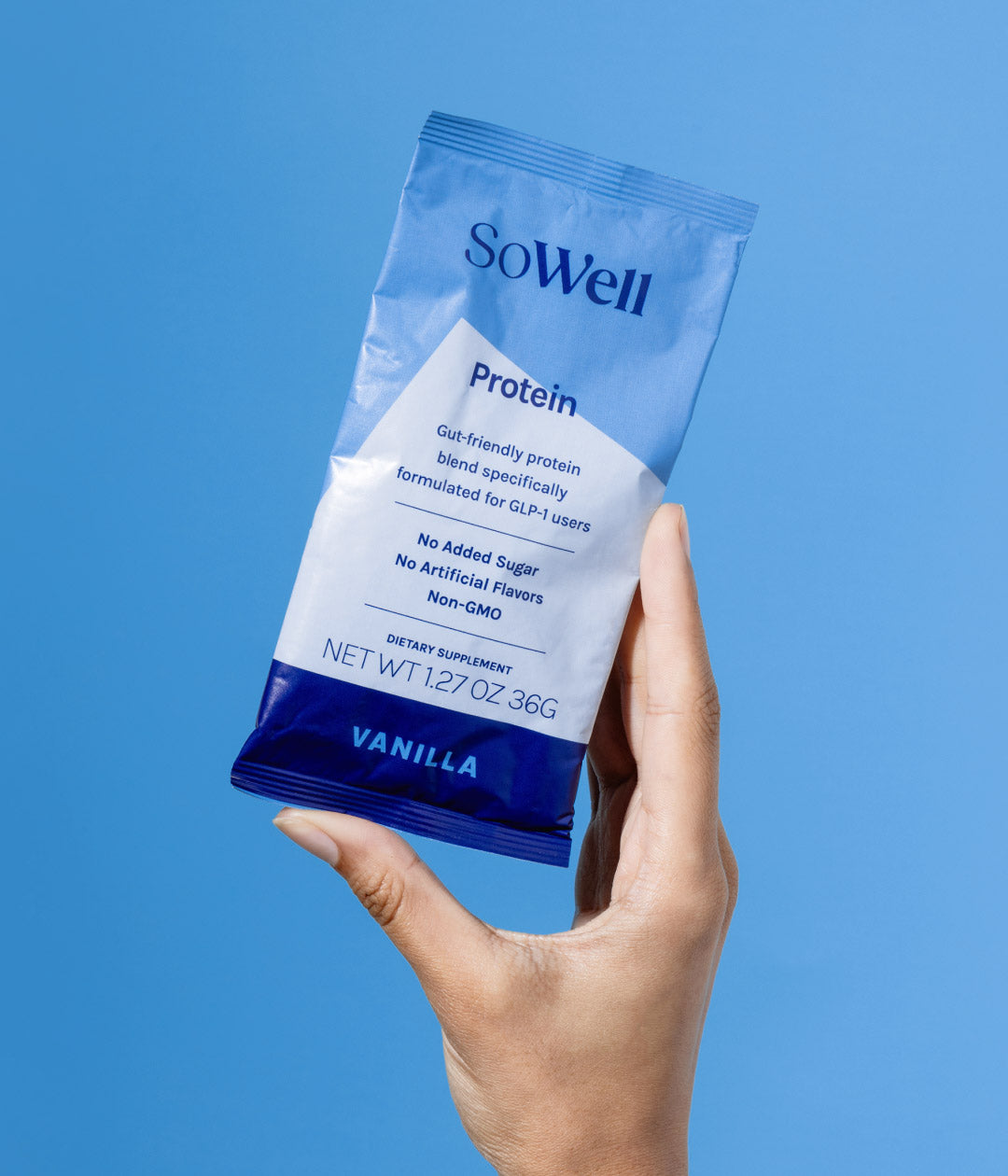
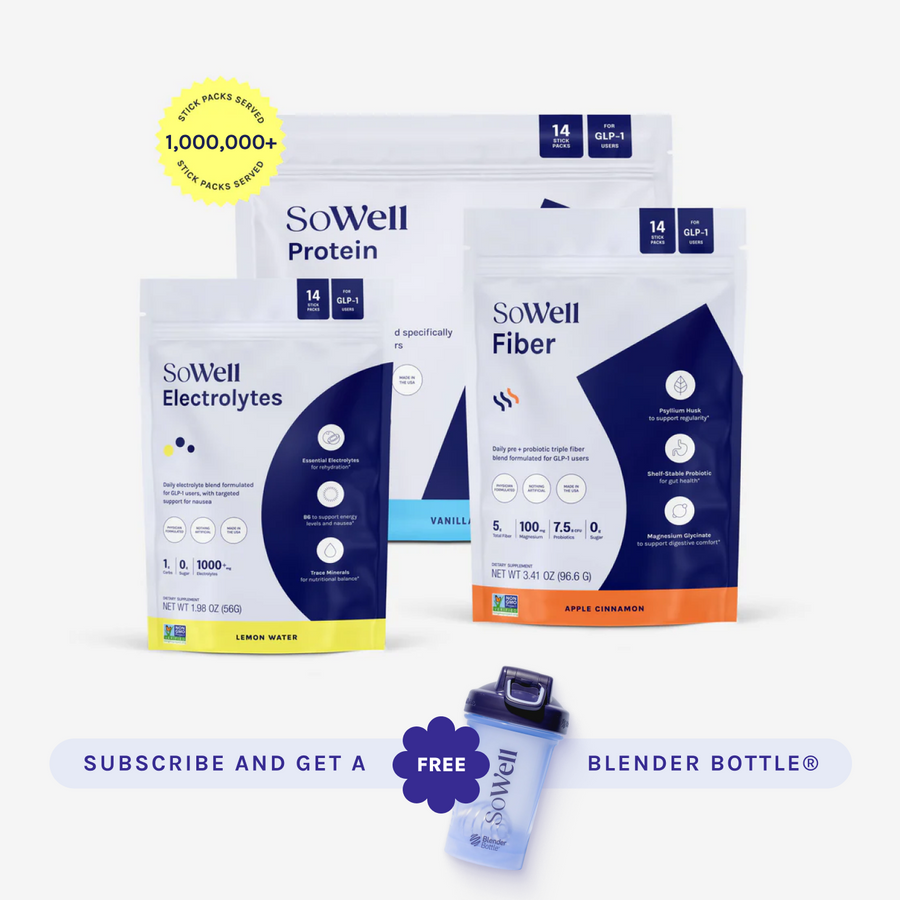
The strategic move is to anticipate the window and feed it carefully. When solid food is hard, liquid nutrition becomes your friend, because it's gentler on a slowed stomach while still delivering what you need. Protein is the priority, since it protects muscle and helps you stay fuller without volume — which is exactly why a protein you can sip instead of chew earns its place during escalation. Pair it with hydration, because a GLP-1 electrolyte with B6 addresses the nausea-dehydration spiral that makes increase weeks worst. Two simple inputs, timed to the hardest stretch.
Eat for the window, not against it
The reframe is simple: escalation weeks aren't a time to disappear from eating — they're a time to shift how you eat. Smaller, more frequent intake beats large meals. Liquid and soft forms beat heavy solids. Protein and fluids come first; everything else is secondary. And you start before symptoms peak, not after they've flattened you.
Strategic beats stoic, every single time.
Escalation-week game plan
- Front-load hydration a few days early
- Lead with liquid/soft protein
- Small, frequent intake over big meals
- Keep fiber consistent for regularity
- Rest — your body is recalibrating
Free ResourceGet Dr. Sowa's GLP-1 Starter Guide
Weekly protocols, nutrition tips, and evidence-based guidance for your GLP-1 journey. Join 50,000+ readers.
★ Trusted by 50,000+ GLP-1 users · No spam, ever
How to Eat Through a Dose Increase
Your escalation-week toolkit
Prep before you increase. Stock easy proteins and electrolytes a few days ahead. Build the buffer before the rough window hits.
Go liquid when solids fail. A protein shake or sip-able nutrition delivers what your body needs when chewing feels impossible.
Hydrate relentlessly. Electrolytes with B6 fight the nausea-dehydration loop that makes increases miserable. Don't wait until you feel awful.
Eat small and often. Tiny, frequent portions are far easier on a slowed stomach than three full meals. Spread the load.
The Bottom Line
Dose increases bring back the rough days because each one resets your body's adjustment clock — that's biology, not bad luck. The mistake is white-knuckling through on almost no food, which costs you muscle, energy, and a longer recovery. Your next step is to eat strategically through the window: lead with liquid protein when solids are hard, hydrate with electrolytes to break the nausea loop, and keep portions small and frequent. Prepare for the window instead of bracing against it, and each increase gets a little less brutal.
You don't have to disappear during escalation. You have to eat smarter.