The scale is moving. You should feel triumphant. Instead you catch your reflection and think: why do I look softer, not stronger?
Here's the uncomfortable truth nobody mentions when they hand you the prescription.
Not all weight loss is created equal. Some of what you're losing might be muscle — and that changes everything about how you should be moving while the weight comes off.
Cardio alone won't fix it.
The Myth: "Weight Is Weight, Just Lose It"
The assumption is that a pound lost is a pound of fat. If only the body were that obedient.
Rapid weight loss — the kind GLP-1s can produce — research suggests often includes lean muscle alongside fat, not just fat. And muscle isn't cosmetic. It's metabolically active tissue that helps drive your metabolic rate, supports strength and everyday function, stabilizes your joints, and shapes how you actually look and feel as the pounds come off.
Lose muscle and you can hit your goal weight while feeling weaker, softer, and more fatigued than you ever expected to at that number. The scale says success; the mirror and the stairs say otherwise. This is the disconnect that blindsides people — they did everything right by the number and still don't feel the way they imagined they would.
The fix isn't to lose less weight. It's to lose the right weight — to make sure as much of what leaves as possible is fat, while you hold onto the muscle that's doing all that metabolic and functional work.
Why muscle is the wrong thing to lose
It's a major contributor to your metabolic rate
It supports strength, balance, and everyday function
It shapes a toned look that fat loss alone won't deliver
Losing it can make maintenance harder later, when you come off the medication
4.8 Stars (73 Reviews)
Trusted by thousands of GLP-1 users
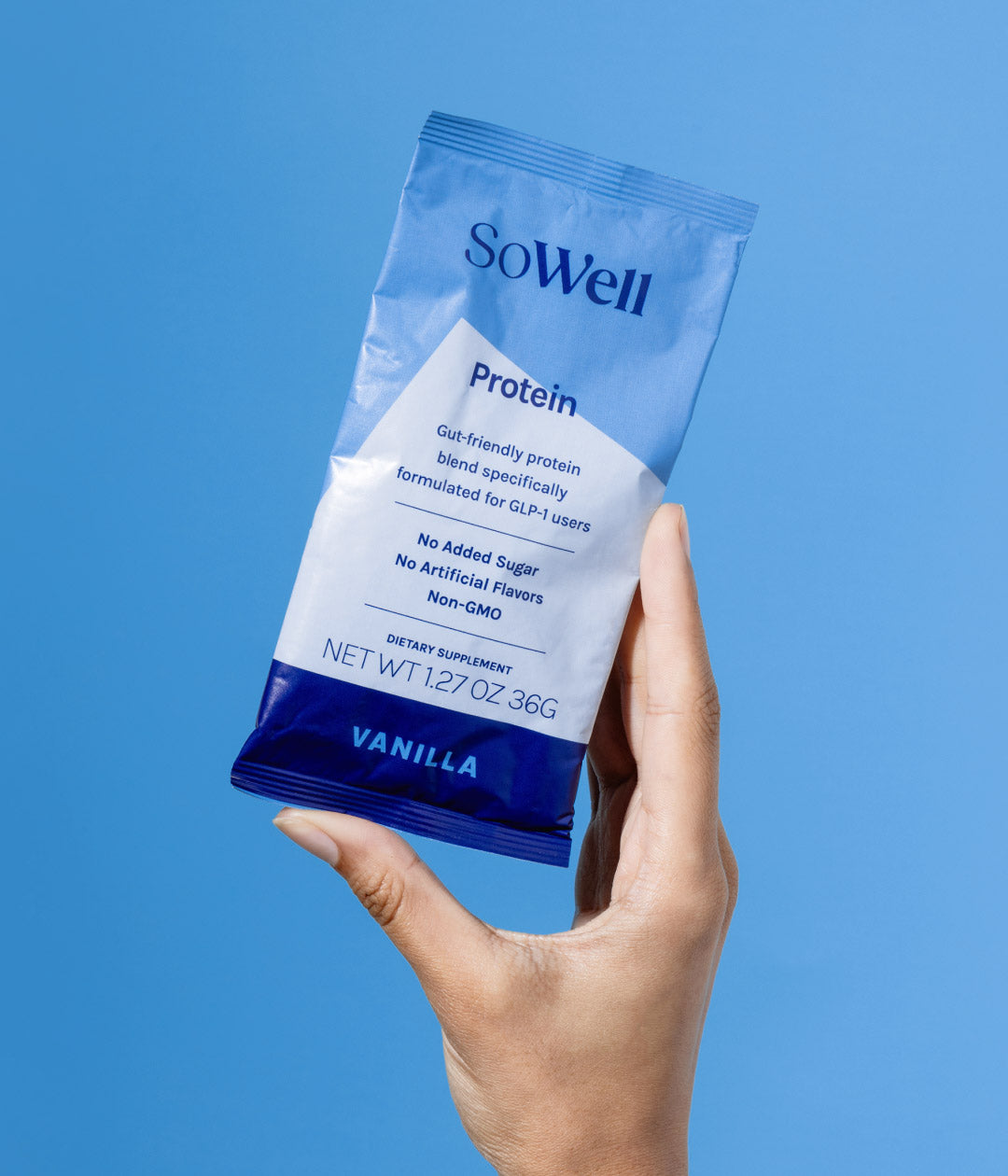
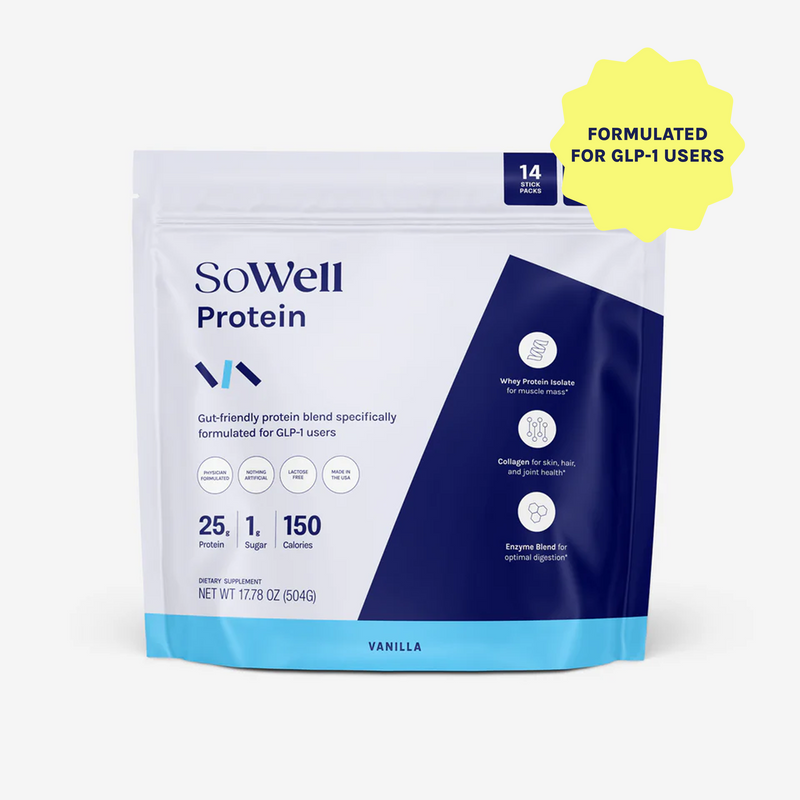
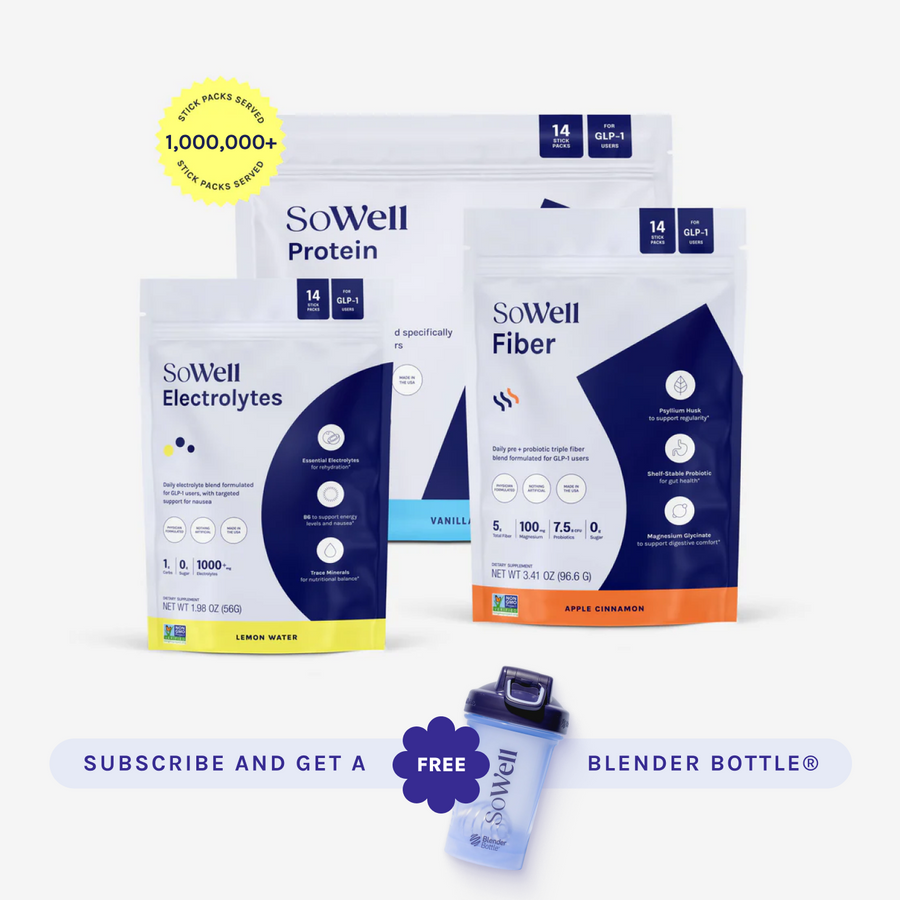
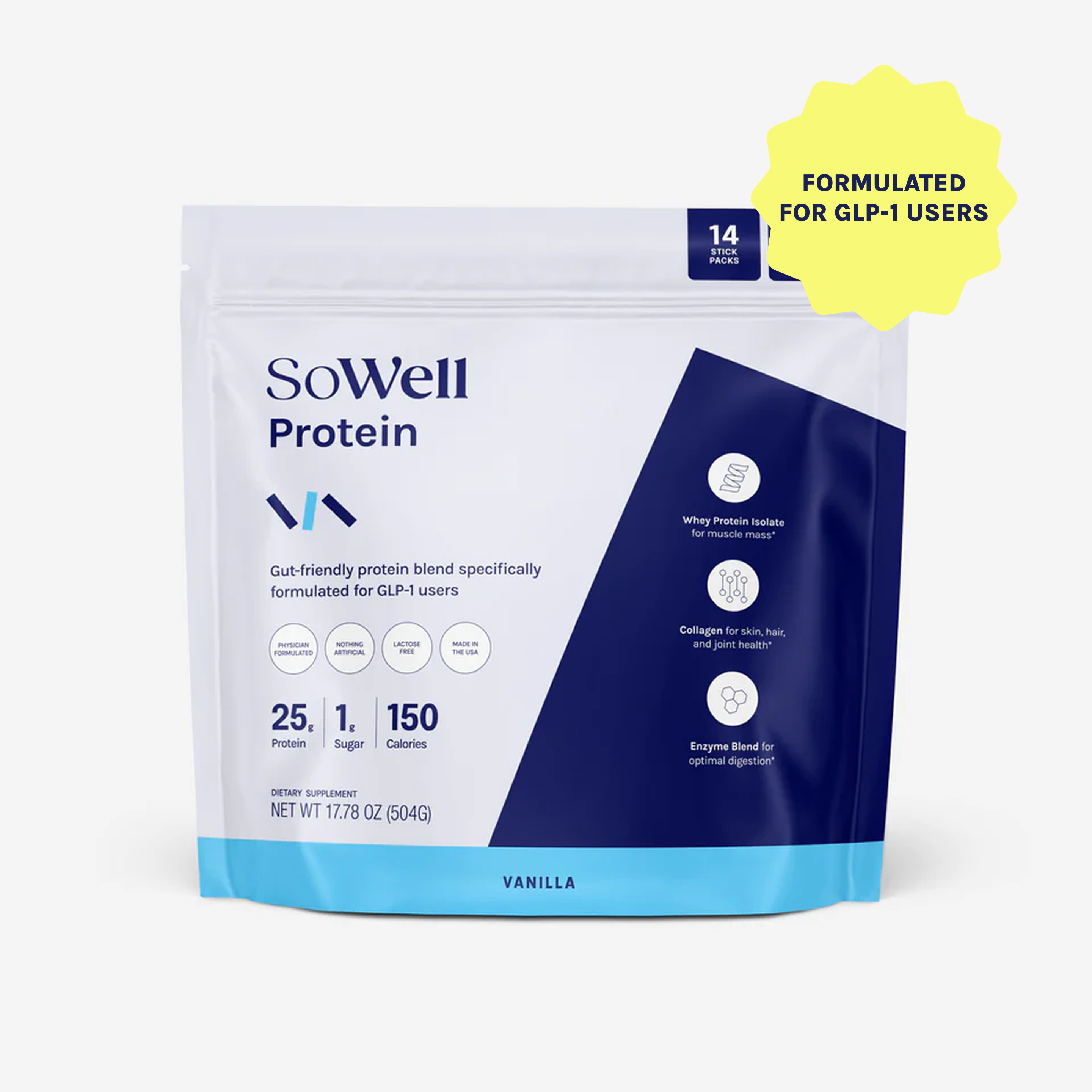
SoWell Protein
• Choose from 14 or 28 grab-and-go protein packets in a resealable, travel-friendly bag• Natural vanilla flavor mixes into anything• Easy-to-mix powder leaves no clumps•...
$89.98$44.99
Quantity:
The Two Levers That Protect Muscle
Protecting muscle during GLP-1 weight loss comes down to two things working together: resistance training and adequate protein. Neither does the job alone, and that pairing is the whole strategy in a sentence.
Resistance training signals your body to hold onto muscle while you're in a calorie deficit. Without that signal, a body losing weight fast has little reason to preserve tissue it isn't using. Protein gives it the raw material to maintain and repair that muscle. Skip the training and protein has less to protect; skip the protein and training has nothing to build with. They're two halves of one mechanism.
Clinicians commonly recommend a daily protein target in the range of roughly 0.45–0.54 grams per pound of body weight to help preserve lean mass during weight loss, though your provider can tailor that number to you. The challenge on a GLP-1 is obvious the moment you try: appetite is suppressed, so hitting a real protein target through food alone can feel nearly impossible on the days you can barely finish a small meal. That's the practical problem the rest of this comes down to — not knowing the target, but actually reaching it when you don't feel like eating.
Just do more cardio Lift to keep what you have
Cardio is great for your heart and burns energy, but it doesn't send the "keep this muscle" signal that resistance training does. On a GLP-1, where lean mass is already at risk, leaning only on cardio can actually accelerate the very muscle loss you're trying to avoid. Two to three resistance sessions a week — bodyweight, bands, or weights — plus regular walking is a far better mix than grinding out endless cardio.
You don't need to become a gym rat or train like an athlete. You need to give your body a clear, consistent reason to keep its muscle while the fat comes off.
A sustainable weekly frame
Resistance training 2–3x per week
Daily walking for general movement
Protein near your training for recovery
Hydration and electrolytes for low-energy days
Rest — recovery is when muscle actually holds on
There's a longer game here that's easy to miss in the rush to lose weight: the muscle you protect now is the metabolism you keep later. When you eventually stabilize or come off the medication, the people who held onto their lean mass have a meaningfully easier time maintaining, because their bodies still burn energy at a higher rate. The people who lost muscle along with the fat face a slower metabolism right when they most need it to hold their results. Protecting muscle isn't just about how you look today — it's an investment in how maintainable this whole thing is down the road.
Free Resource
Get Dr. Sowa's GLP-1 Starter Guide
Weekly protocols, nutrition tips, and evidence-based guidance for your GLP-1 journey. Join 50,000+ readers.
★ Trusted by 50,000+ GLP-1 users · No spam, ever
How to Build a Muscle-Protecting Routine
Movement that fits low-energy days
Prioritize resistance. Two to three sessions a week is enough to signal your body to preserve muscle. Start with bodyweight or bands if the gym feels like too much right now — the signal matters more than the intensity.
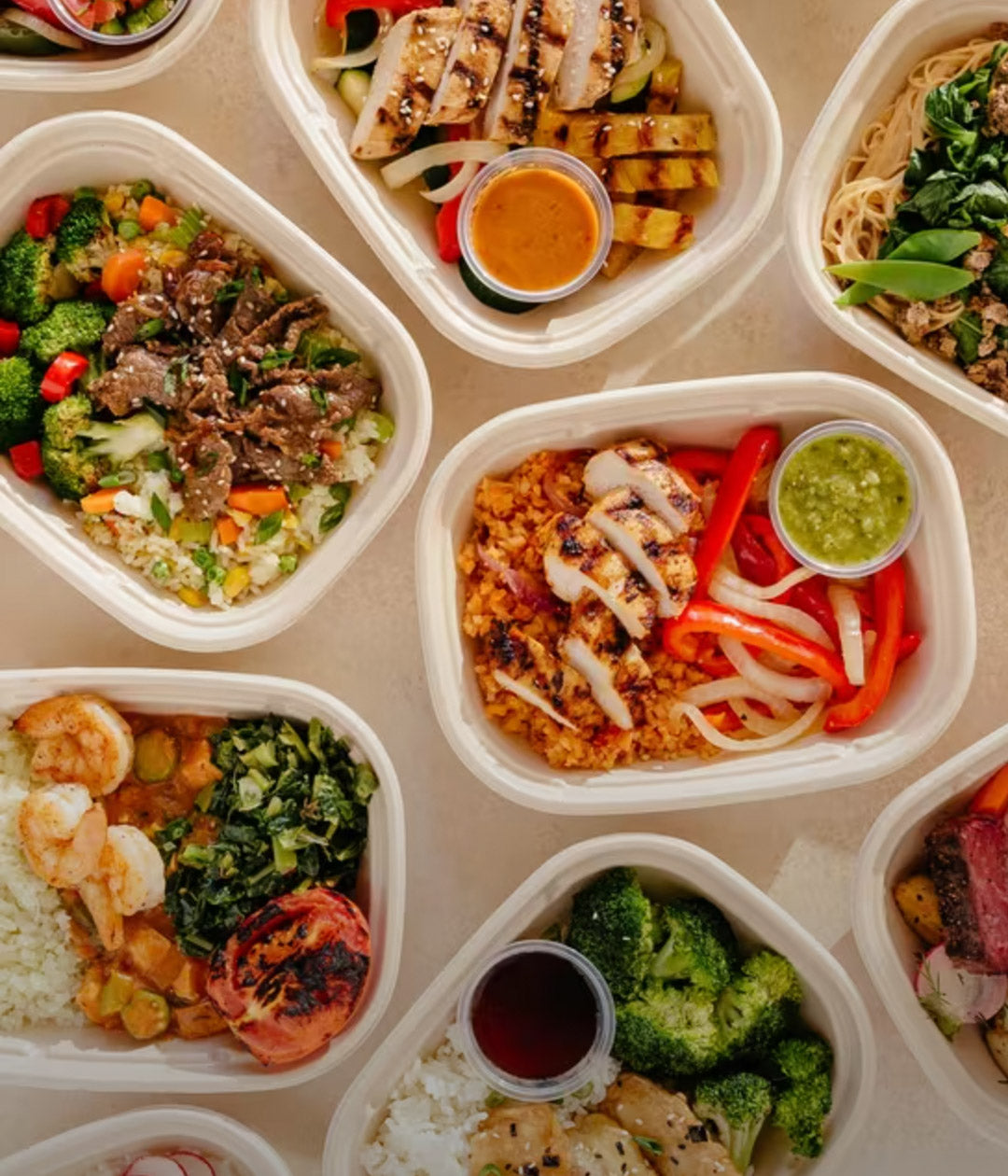
Hit your protein target. Aim for the protein clinicians recommend to protect lean mass. When appetite is low, easy protein that actually hits your target beats a chicken breast you can't finish.
Walk daily. It's the most underrated tool — gentle, sustainable, and easy on low-energy days when a full workout feels impossible. Steps add up more than people think.
Fuel and hydrate around movement. Low energy is common on GLP-1s; electrolytes built for reduced-appetite days help you actually show up for the session instead of skipping it.
A quick word on the scale, since it causes so much unnecessary discouragement here. As you trade fat for preserved or even slightly increased muscle, the number may move more slowly than you expected — muscle is denser than fat. That's not failure; it's the body recomposing in exactly the direction you want. This is precisely why measurements, photos, how clothes fit, and how strong you feel are better progress markers than the scale alone during GLP-1 weight loss.
It's also fine — encouraged, even — to start absurdly small. If two full resistance sessions a week feels impossible right now, one short session and a daily walk still sends the muscle-preservation signal and still beats nothing by a wide margin. The goal in the early weeks isn't to impress anyone; it's to establish the habit and protect your muscle while your energy and appetite stabilize. You can always build from a small, consistent base. You can't build from a plan you abandoned.
The Bottom Line
If you want to come out of GLP-1 weight loss strong instead of just smaller, muscle is the thing to protect — and protecting it takes resistance training plus enough protein, not more cardio. The specific next step: add two to three resistance sessions a week and lock in your protein target with SoWell Protein, which makes hitting that number realistic even on the days your appetite has vanished and a full meal is out of the question.
The scale measures weight. Your mirror measures muscle. Train and feed for the one you actually care about.
Your Questions About GLP-1s and Exercise, Answered
Do you lose muscle on a GLP-1?
Research suggests rapid weight loss often includes some lean muscle alongside fat, not fat alone. That's why resistance training and adequate protein matter so much during GLP-1 weight loss — they help signal your body to preserve muscle and give it the material to do so.
How much protein do I need to protect muscle?
Clinicians commonly recommend roughly 0.45–0.54 grams of protein per pound of body weight per day to help preserve lean mass during weight loss, though the right target depends on your body and situation. When appetite is low, a convenient protein source makes hitting that target far more realistic. Your provider can personalize the number.
Is cardio or strength training better on a GLP-1?
Both have value, but resistance training is the key lever for protecting muscle because it signals your body to hold onto lean mass during a calorie deficit. Cardio supports heart health and energy expenditure. A mix of two to three resistance sessions plus regular walking is a strong, sustainable combination.
How do I work out when my energy is low?
Start small and sustainable — bodyweight or band exercises and daily walks count. Fueling with adequate protein and staying on top of hydration and electrolytes helps with the low-energy days that are common on GLP-1s. Consistency at a modest level beats ambitious plans you can't maintain.
4.8 Stars (73 Reviews)
Trusted by thousands of GLP-1 users
GLP-1 Support System Sample Pack
GLP-1 Support System Sample Pack
$19.99
4.8 Stars (73 Reviews)TRUSTED BY THOUSANDS OF GLP-1 USERS
The GLP-1 Support System
Everything you need for a supported GLP-1 journey — fiber, protein, and essential micronutrients in one physician-formulated bundle. Save 20% vs. buying separately.
$104.97
$114.97
Quantity:
About the Author
Dr. Alexandra Sowa, M
Internal Medicine & Obesity Medicine Specialist · SoWell Medical Advisor
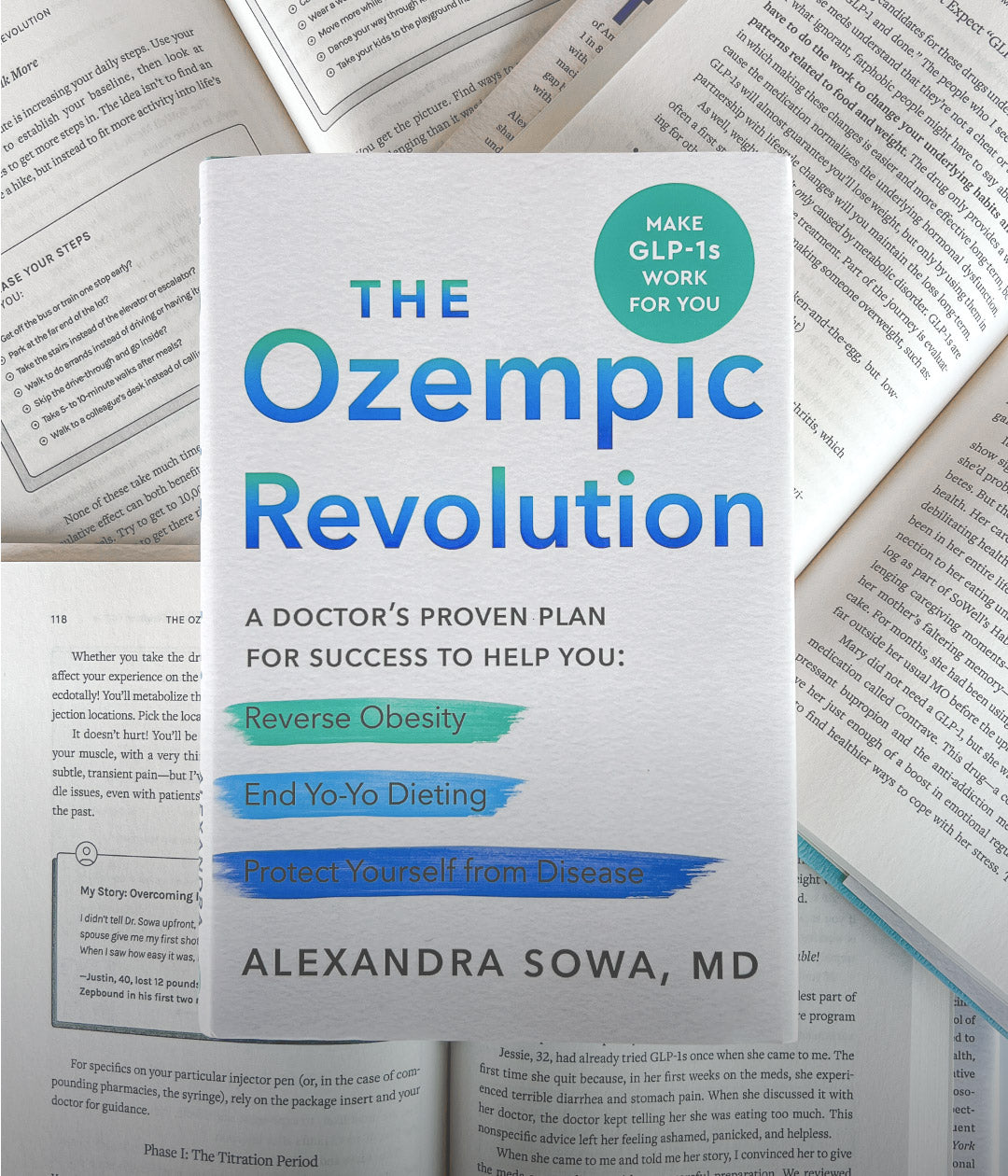
Dr. Sowa is a dual board-certified physician specializing in internal and obesity medicine. She is the founder of SoWell and the author of The Ozempic Revolution. Her practice focuses on evidence-based metabolic health and GLP-1 therapy, and she has been featured in The New York Times, Today Show, and Good Morning America.
*These statements have not been evaluated by the Food and Drug Administration. Products are not intended to diagnose, treat, cure, or prevent any disease.