The price difference is hard to ignore. Brand-name GLP-1s like Ozempic and Wegovy can run hundreds of dollars a month, and compounded versions have been marketed as the same result for a fraction of the cost.
That gap is exactly why so many people started looking into compounded semaglutide in the first place. But the legal ground under that option has shifted a lot since 2022, and what was true about compounded GLP-1s in 2023 or 2024 isn't necessarily true now.
Before you decide, here's what changed, what the savings can hide, and what to actually check.
The Myth: "Compounded Semaglutide Is Just a Cheaper Version of the Same Drug"
It's an understandable assumption: same active ingredient, lower price, identical result. The reality is more complicated, and a lot of it comes down to what changed in 2025 and 2026.
Compounded medications aren't FDA-approved products. Compounding pharmacies prepare them individually or in batches, which means they don't go through the same review for safety, effectiveness, and quality that brand-name drugs do. That doesn't make all compounding illegitimate; it has a real, regulated place in medicine when a patient genuinely needs something the approved product doesn't provide. But the rules for when a pharmacy can compound a near-copy of a branded drug like semaglutide have gotten much stricter.
For most of 2022 through early 2025, semaglutide sat on the FDA's drug shortage list, and that shortage was the legal basis that let pharmacies compound it at scale. The FDA removed semaglutide from the shortage list in February 2025 (tirzepatide came off in December 2024), and once a drug is off that list, federal rules restrict compounding pharmacies, both 503A and 503B, from regularly producing what regulators describe as "essentially a copy" of the commercially available product. On April 30, 2026, the FDA separately proposed permanently excluding semaglutide, tirzepatide, and liraglutide from the list that lets large 503B outsourcing facilities compound in bulk. Public comment on that proposal closed at the end of July 2026, and as of this writing no final decision has been announced.
In practical terms: the broad, low-cost compounding market that expanded through 2023 and 2024 has been narrowing since 2025. What's left is a much smaller lane, and "it's cheaper" isn't, on its own, a legal basis for a pharmacy to compound it for you anymore.
What the FDA has flagged with compounded GLP-1s:
- Dosing errors, including cases of people measuring or injecting incorrect amounts.
- Use of different salt forms of semaglutide not in approved products.
- Products from unregulated or overseas sources of unknown quality.
- Lack of the safety review that approved medications undergo.
“
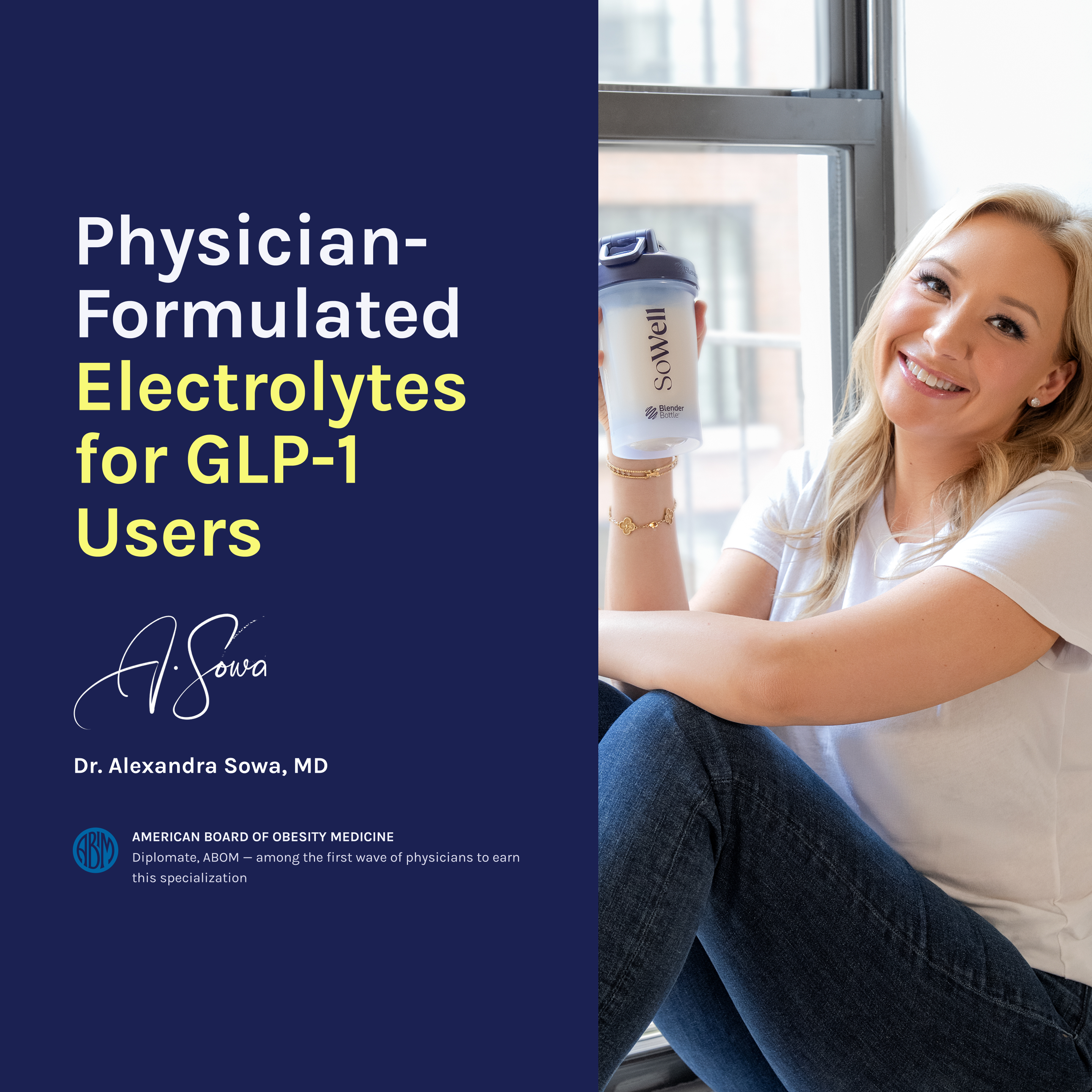
"Most GLP-1 supplements weren't designed for GLP-1 users. They were designed for general wellness shoppers and rebranded when semaglutide went mainstream."
ASDr. Alexandra Sowa, MDInternal Medicine & Obesity Medicine Specialist
The Reality: Why "Same Ingredient" Isn't the Whole Story
Brand-name semaglutide comes in standardized, tested doses with consistent delivery. Compounded versions can vary in concentration, in how you measure and administer them, and in the source and quality of the ingredients. The FDA has specifically warned about dosing errors with compounded GLP-1s, some serious enough to send people to the hospital, often because the products require self-measurement that approved pen devices handle automatically.
This isn't a reason to panic if you're using a legitimately prescribed compounded product through a reputable pharmacy under medical supervision for a genuine, documented reason. It's a reason to be informed, to ask direct questions about the legal basis for your prescription, and to lean on your prescriber rather than a flashy online ad. Whatever version you're on, the side-effect support is the same, because the GLP-1 mechanism is the same: hydration, protein, and fiber still matter. The question this article answers is narrower: how to evaluate the medication source itself.
Brand-name vs. compounded: what differs
Brand-name: FDA-approved, standardized dosing, tested for quality and consistency, delivered in calibrated pen devices. Higher cost.
Compounded: not FDA-approved, and legal now only in narrower circumstances since semaglutide came off the shortage list, meaning a documented, patient-specific medical reason rather than price alone. Variable in concentration and quality, often self-measured. Large-scale 503B production is currently under an FDA proposal that could close that pathway entirely. Lower cost where it's legitimately available, but with real added responsibility to verify legitimacy and safety.
If you're considering compounded
- Confirm there's a genuine, documented medical reason, not just price
- Work through a licensed prescriber, not an ad
- Ask whether the pharmacy is 503A state-licensed or 503B FDA-licensed
- Request a certificate of analysis for the compounded medication
- Understand exactly how to measure your dose
- Be wary of unusually cheap overseas sources
Free ResourceGet Dr. Sowa's GLP-1 Starter Guide
Weekly protocols, nutrition tips, and evidence-based guidance for your GLP-1 journey. Join 50,000+ readers.
★ Trusted by 50,000+ GLP-1 users · No spam, ever
How to Protect Yourself
Vet the source before you trust it
Go through a real prescriber. A licensed clinician who can document why a compounded version is medically appropriate for you, specifically, is your best safeguard. Skip direct-to-consumer ads promising miracle pricing with no prescriber involved.
Verify the pharmacy type. Ask whether you're working with a 503A state-licensed pharmacy or a 503B FDA-licensed outsourcing facility, and ask your doctor to request a certificate of analysis for the medication. A 503A pharmacy compounds for one named patient under state board oversight; a 503B facility is FDA-registered and inspected, though its ability to compound semaglutide and tirzepatide in bulk is currently under FDA review. A certificate of analysis shows what's actually in the product, including potency and purity testing. A pharmacy that can't answer either question is a red flag.
Master your dosing. Many compounded dosing errors come from self-measurement. Make sure you understand exactly how much to draw and inject before you start.
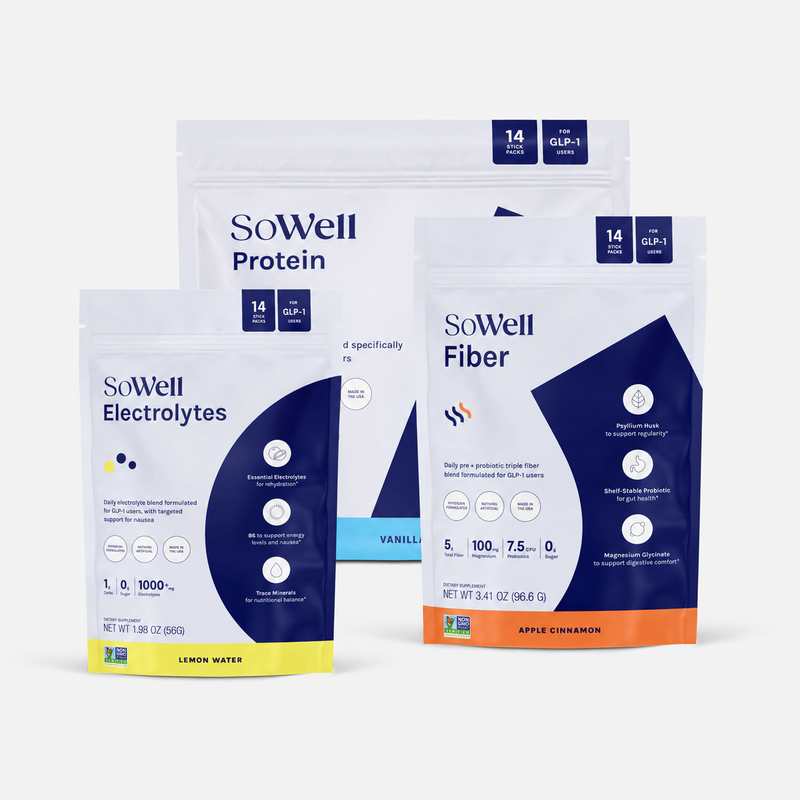
Don't skip the support basics. Whatever your source, the side effects are the same. Hydration, protein, and fiber still matter for feeling well.
The Bottom Line
Compounded semaglutide isn't simply a discount version of the brand anymore, and it isn't the broad, easy alternative it was in 2023 and 2024. The shortage that made large-scale compounding legal closed in 2025, and the FDA has proposed closing the remaining large-scale pathway too, with a decision still pending as of August 2026. What legitimately remains is a narrow lane: patient-specific compounding through a licensed prescriber and a reputable pharmacy, for a documented medical reason, not simply a lower price. Your next step, if you're weighing it, is to ask your prescriber directly what the legal basis for your prescription is, verify the pharmacy's 503A or 503B status and request a certificate of analysis, and stay skeptical of pricing that seems too good to be true. Cheaper is only a deal if it's legitimate and safe.
The savings are real for people who still legitimately qualify. Who that is has gotten a lot narrower. Verify before you trust.