A PCOS diagnosis often comes with a frustrating shrug: lose weight, here's the pill, good luck. As if the daily reality of cravings, fatigue, irregular cycles, and a body that won't cooperate were footnotes.
There's more within your control than that shrug suggests.
Managing PCOS naturally — alongside medical care, not instead of it — starts with understanding what's actually driving your symptoms.
The Myth: "PCOS Is Just About Losing Weight"
The standard PCOS advice collapses everything into weight loss. But PCOS is a complex hormonal and metabolic condition, and weight is one piece of a bigger system. At the center for many women sits insulin resistance — a metabolic pattern that drives cravings, makes weight loss harder, and connects to the hormonal symptoms that define the condition.
Understanding that shifts the whole approach. Instead of white-knuckling another diet, you target the root drivers: blood sugar, insulin sensitivity, inflammation, and hormone balance. That's where natural management actually gains traction.
What's often driving PCOS symptoms:
- Insulin resistance, common in PCOS and central to its metabolism.
- Blood sugar swings that fuel cravings and energy crashes.
- Hormonal imbalances affecting cycles and other symptoms.
- Inflammation, which can compound the picture.
The Foundation: Diet, Supplements, and Lifestyle Together
Natural PCOS management isn't one magic intervention — it's a set of levers that reinforce each other. Diet comes first: prioritizing protein and fiber steadies blood sugar, which directly addresses the insulin-resistance engine and helps with cravings. Movement, especially building muscle, improves insulin sensitivity. Sleep and stress management matter because cortisol affects blood sugar and hormones. None of these are glamorous, but together they move the needle.
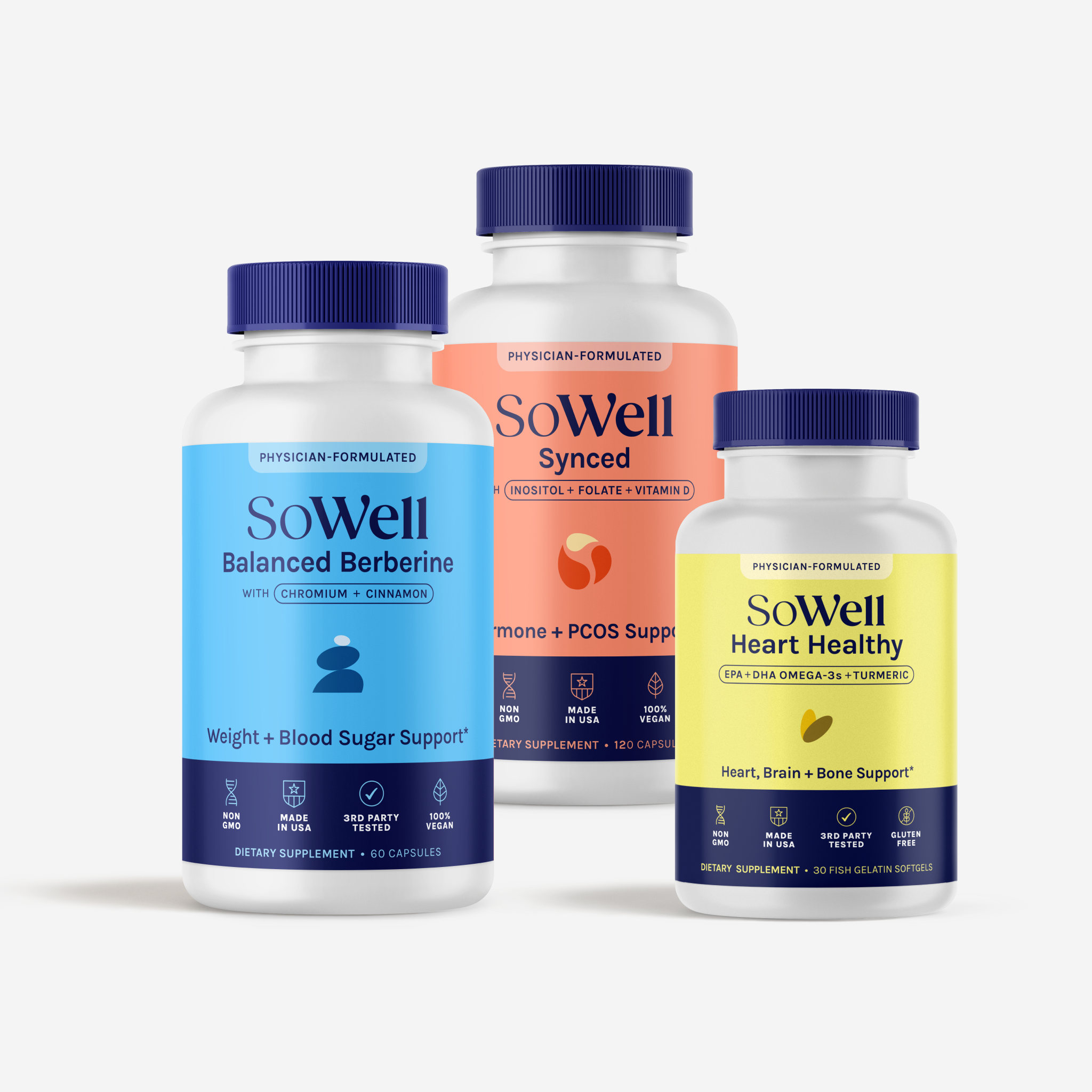
Targeted supplements support these efforts where the evidence backs them. Inositol is widely used for PCOS hormone and cycle support, which is why a doctor-developed inositol blend for hormone balance shows up in many PCOS routines. For the insulin-resistance side, berberine has research behind its role in supporting healthy blood sugar — a berberine formula targeting the metabolic root addresses the driver standard advice ignores. These support a plan; they don't replace medical care. PCOS is individual, and the right combination is best built with your clinician.
Root drivers, not just symptoms
What makes natural management effective is targeting drivers instead of chasing symptoms one by one. Support insulin sensitivity and you may influence weight, cravings, and the metabolic backdrop to hormonal symptoms at once. Support hormone balance with evidence-backed ingredients and you address cycles more directly. Layer in sleep, movement, and stress management, and the levers compound. It's a system, matched to a complex condition.
PCOS is layered. The approach should be too.
The natural PCOS toolkit
- Protein + fiber to steady blood sugar
- Inositol for hormone and cycle support
- Berberine for blood sugar and insulin support
- Muscle-building movement
- Sleep and stress management
Free ResourceGet Dr. Sowa's GLP-1 Starter Guide
Weekly protocols, nutrition tips, and evidence-based guidance for your GLP-1 journey. Join 50,000+ readers.
★ Trusted by 50,000+ GLP-1 users · No spam, ever
How to Build Your PCOS Approach
Target the drivers, layer the levers
Eat to steady blood sugar. Protein and fiber at meals blunt the spikes that drive cravings and feed insulin resistance. This is the dietary foundation.
Use evidence-backed supplements. Inositol for hormone support and berberine for blood sugar have research behind them — as support within a plan, not a cure.
Build muscle and manage stress. Resistance movement improves insulin sensitivity; sleep and stress management protect your hormones and blood sugar.
Partner with your clinician. PCOS is individual. Build your combination of diet, supplements, and medical care together, not alone.
The Bottom Line
PCOS isn't just a weight problem to discipline your way out of — it's a complex hormonal and metabolic condition often driven by insulin resistance. That's actually good news, because it means you have real levers: steadying blood sugar through protein and fiber, supporting hormones and insulin sensitivity with evidence-backed ingredients like inositol and berberine, building muscle, and managing stress and sleep. Your next step is to target the root drivers rather than chase symptoms, and to build your combination of diet, supplements, and medical care together with your clinician. Work the system, and PCOS stops feeling like a shrug and starts feeling like something you can manage.
It was never just about willpower or weight. Now you know where to aim.