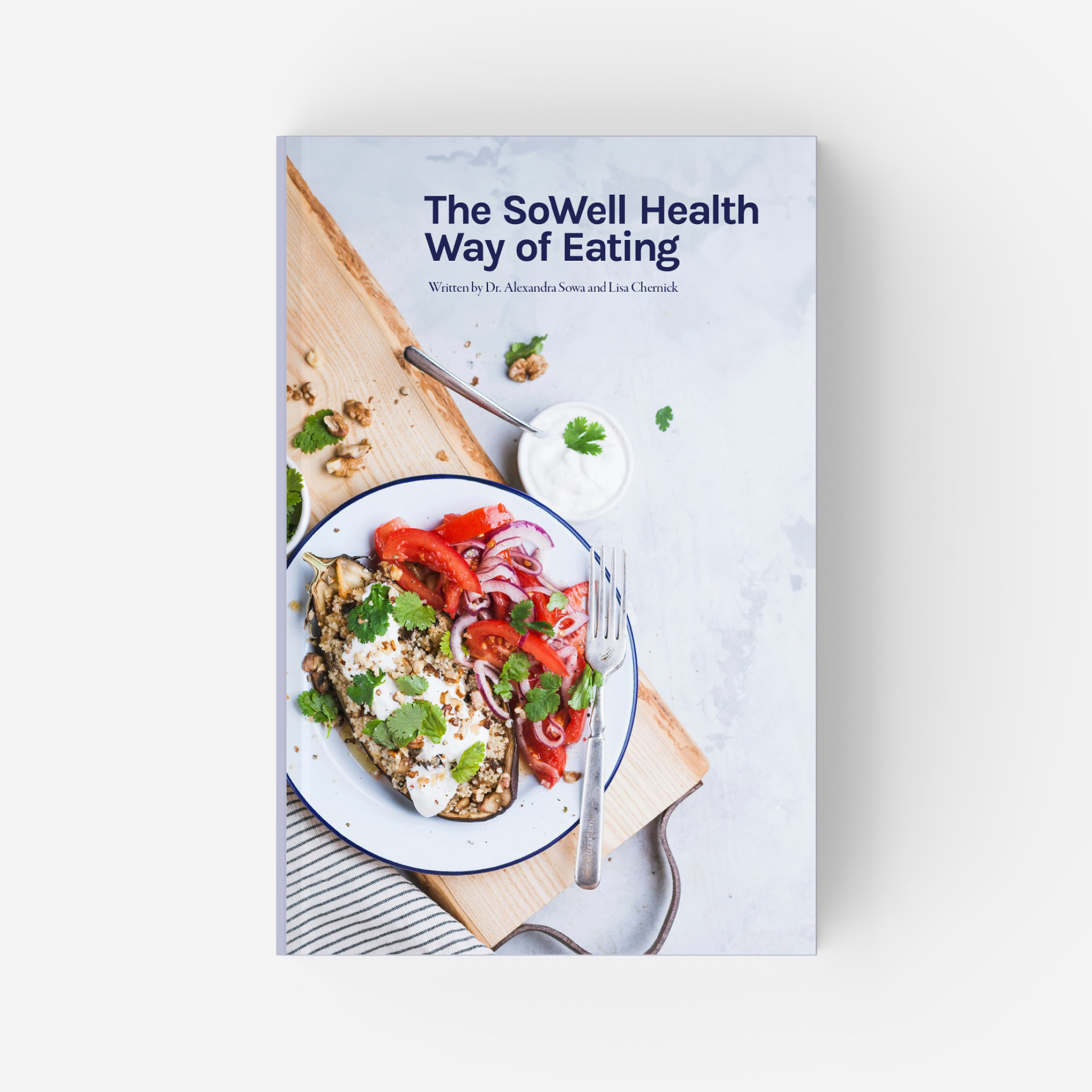
Being on a GLP-1 medication is amazing, but it's not a miracle. To get the most out of your medication and avoid side effects, it's important to understand how the medication works and make lifestyle adjustments that will keep you feeling your absolute best.
One of the most essential shifts you can make when on a GLP-1 is prioritizing protein in your diet. Here's why — and how to make sure you're getting enough.
Download our Protein Counter PDF for a list of high-protein foods and their associated protein counts.
Protein Fuels You Without Overloading Your Digestive System
One of the benefits of GLP-1 medications is that they slow gastric emptying, making you less hungry overall. But if you don't change your eating habits, you're more likely to suffer from side effects like nausea, constipation, diarrhea, or vomiting because of this reason.
To avoid GI distress while taking a GLP-1 medication, you'll need to reduce the volume of food you eat to avoid feeling uncomfortably full or dealing with an upset digestive system. This is different from traditional dieting advice, which tells you to fill up on high-density, low-volume foods. On GLP-1 medications, the goal is not to "fill up" in the same way since the medication is slowing your digestive system down.
Fill up on fruits, vegetables, and whole grains On GLP-1s, volume isn't the goal — nutrient density is
Don't get us wrong, fruits and vegetables are great. But for anyone getting used to being on a GLP-1 medication, getting enough calories from nutrient-dense sources is important and can be more difficult. That's why anyone on a GLP-1 medication should first focus on protein, which packs a bigger nutritional punch without overloading your digestive system.
High-volume foods that can be harder to digest on GLP-1s
- Many fruits and vegetables
- Whole grains
- Soups
- Low-fat dairy
Free ResourceGet Dr. Sowa's GLP-1 Starter Guide
Weekly protocols, nutrition tips, and evidence-based guidance for your GLP-1 journey. Join 50,000+ readers.
★ Trusted by 50,000+ GLP-1 users · No spam, ever
How Much Protein Do You Need on a GLP-1?
For people on a GLP-1 medication, experts recommend getting in at least 60g of protein per day. For those who weigh more, they can and should eat more protein — up to 1.5g per kilogram of body weight per day. Here's what that looks like based on your weight to help you get a general idea.
Daily Protein Goals by Weight
180 lbs Up to 120g of protein per day
200 lbs Up to 135g of protein per day
225 lbs Up to 153g of protein per day
250 lbs Up to 169g of protein per day
300 lbs Up to 204g of protein per day
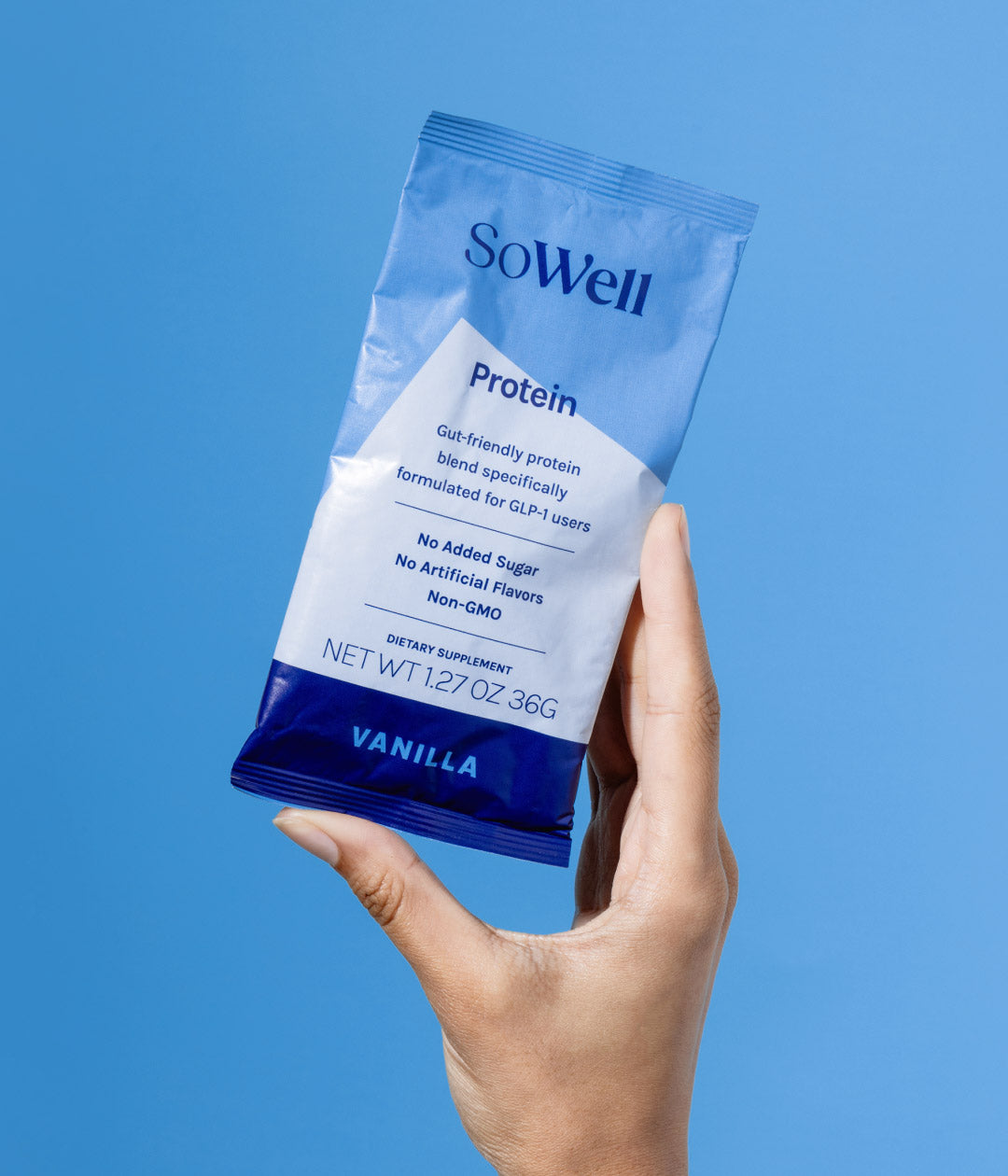
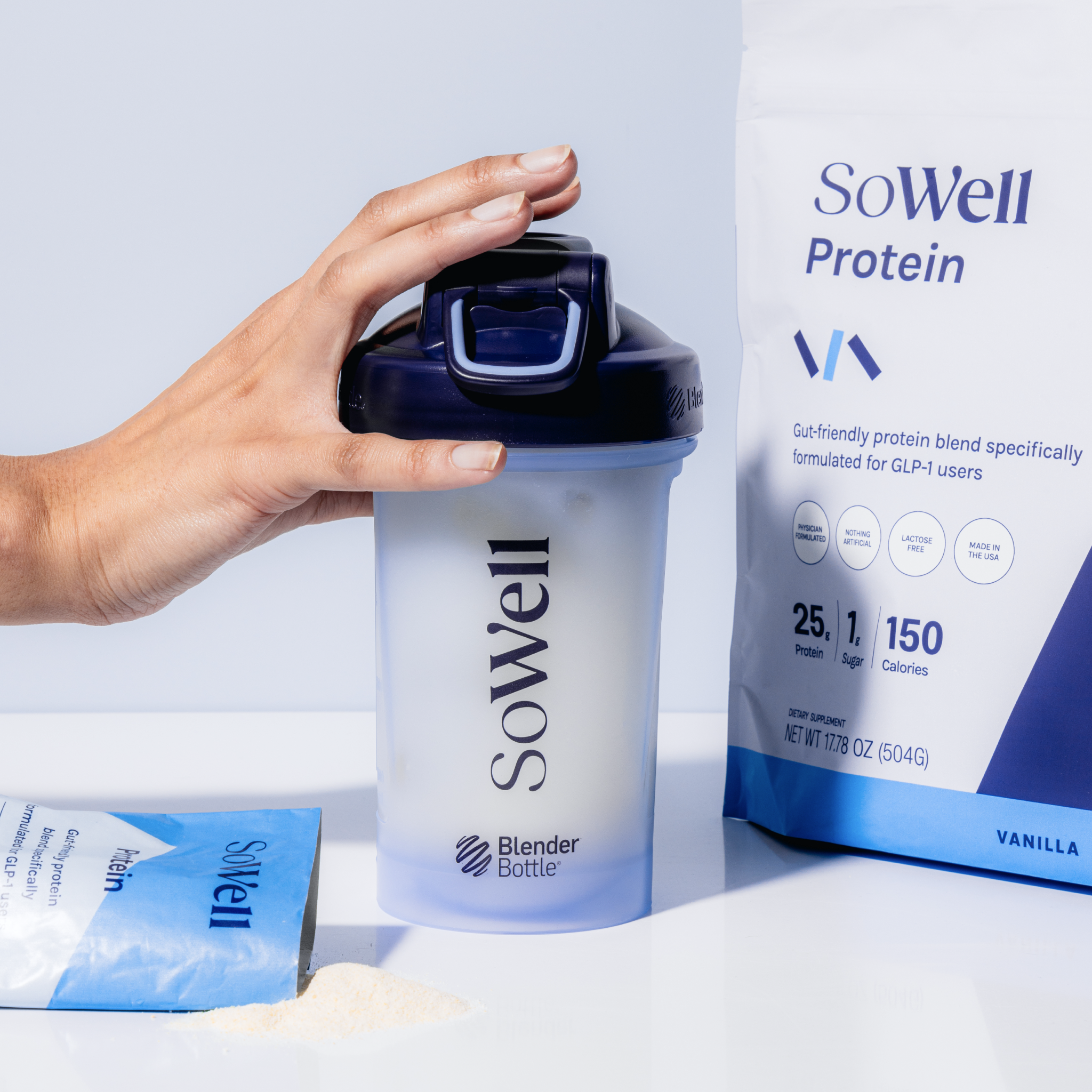
You should aim to have protein at every meal, but many GLP-1 users find that eating enough protein is challenging, which is why they turn to protein shakes or protein powders to hit daily intake goals. We created SoWell Protein for this exact reason.
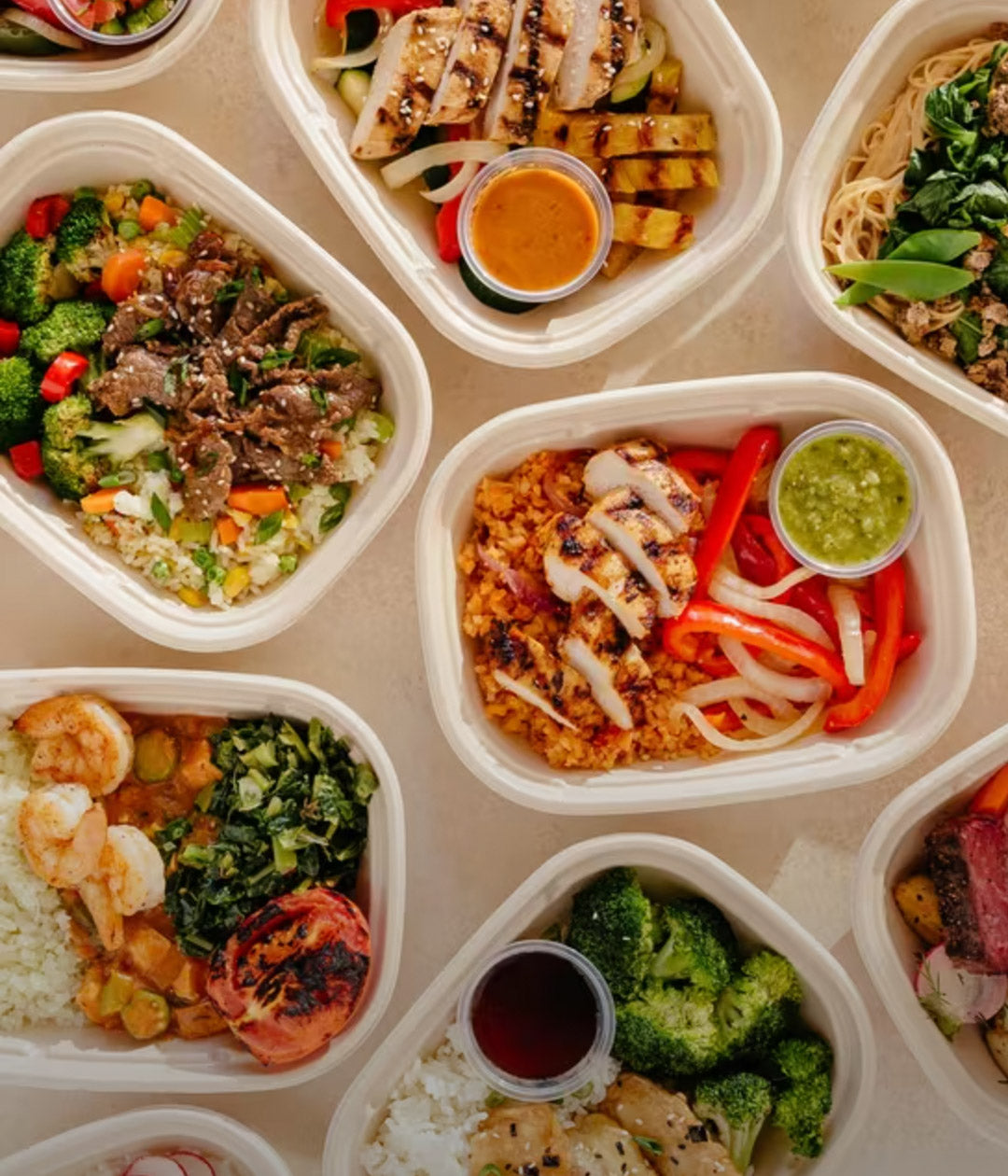
Click here for a list of high-protein foods that you can combine to hit your protein goals.
SoWell Protein Is the Ideal Protein Powder for GLP-1 Users
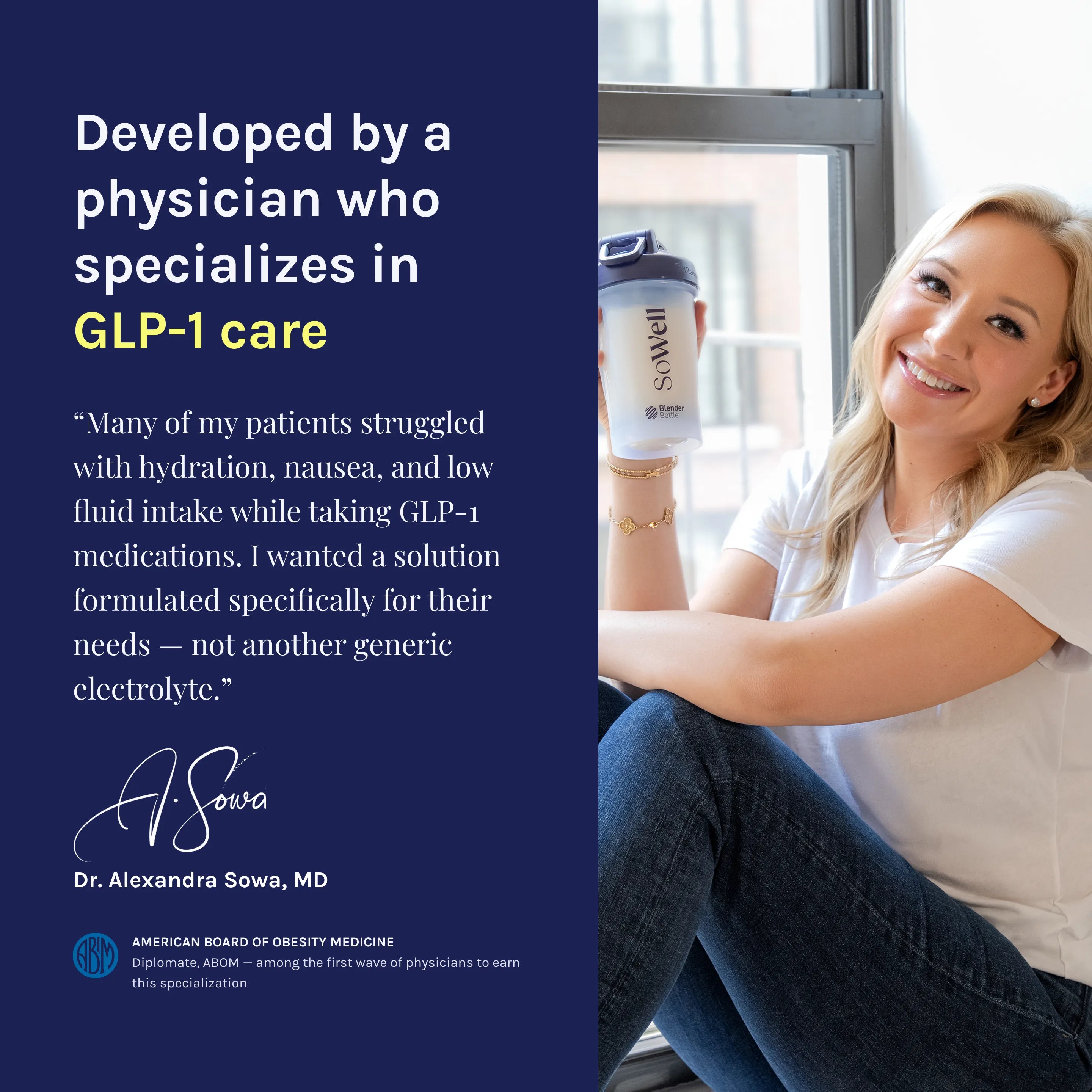
SoWell Protein powder was specifically formulated by our founder Dr. Alexandra Sowa — who has helped countless GLP-1 patients reach their goals — to help you get enough protein conveniently, quickly, and comfortably (AKA without digestive upset!). Here's why we chose the specific ingredients.
What makes SoWell Protein different
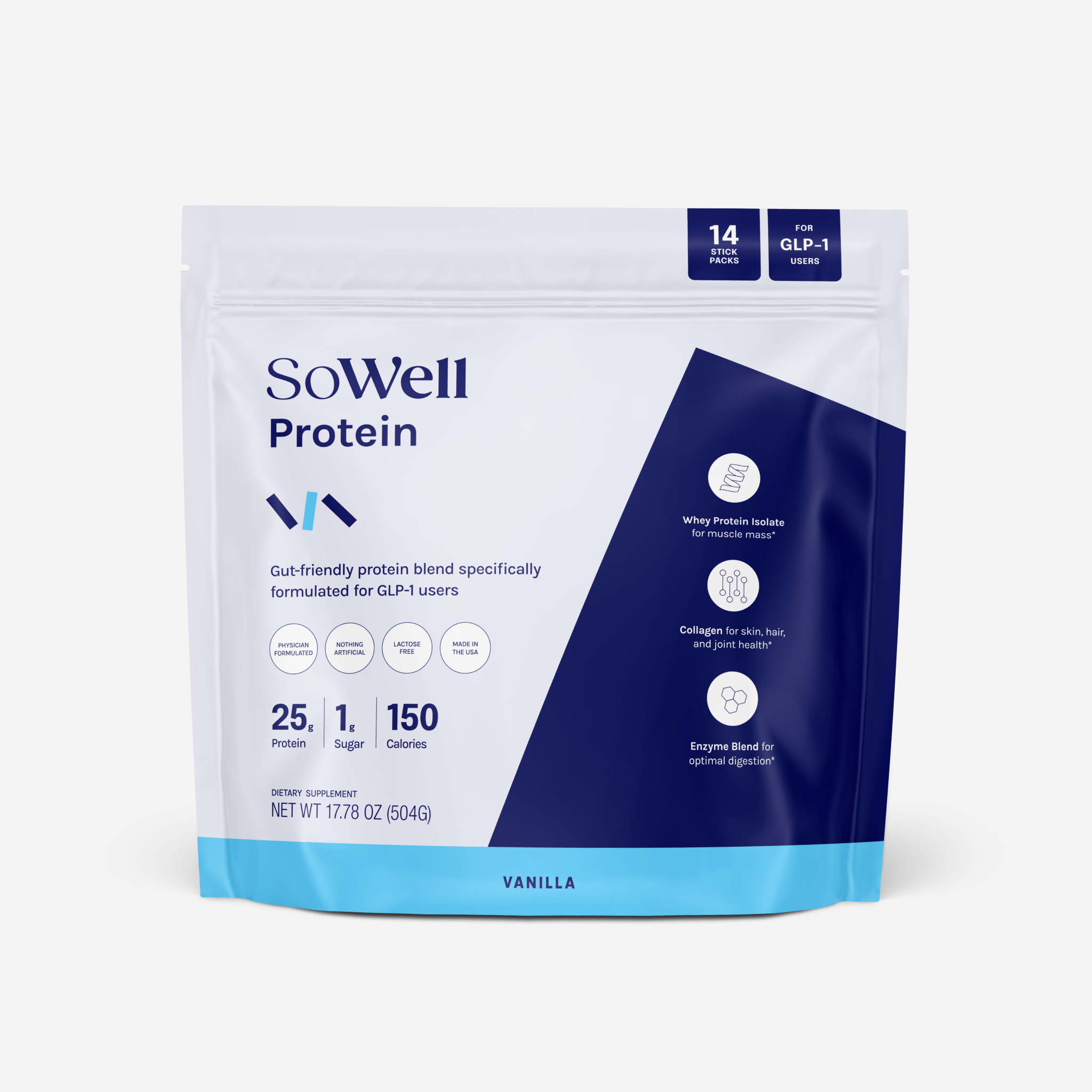
Whey Protein Is More Satiating Than Other Proteins — And Helps You Preserve Muscle Mass During Weight Loss Whey protein does the most for your body compared to other types of protein. Whey is a complete protein — meaning you get all nine amino acids — to help your body build and maintain muscle. Maintaining muscle mass is critical for anyone on a weight loss journey. In a calorie deficit, your body may burn your muscles for energy, especially if you're not eating enough protein. Less muscle means a slower metabolism, which makes keeping weight off in the long term more difficult. Studies have also shown that whey protein is the most satiating protein source — one study showed that subjects ate the most after consuming egg protein and for at least four hours after eating whey protein, confirming that whey keeps you fuller longer.
What "Ozempic Face?" Collagen Protein Supports Healthy Hair and Skin One of the bigger concerns for people who lose a significant amount of weight is the cosmetic impact of loose skin or thinning hair. Unfortunately, the media has latched onto this and blamed GLP-1 medications for these cosmetic effects, when in reality, they are simply the body's reaction to losing weight. It's very normal to shed hair for a period of time during weight loss, and depending on factors like age and genetics, loose skin after weight loss is a possibility as well. But you can minimize these effects with a healthy, protein-packed diet. To help, SoWell Protein features collagen, which has been shown to significantly improve skin elasticity and promote hair growth in those with thinning hair.
A Truly Gut-Friendly Protein Powder Some protein powders can make digestion issues worse, and not all whey protein powders are created equal. The wrong kind of whey protein is notorious for causing bloating and discomfort — which is the last thing any GLP-1 user needs! SoWell Protein uses whey protein isolate, which has all the positives of whey protein without gut-disrupting lactose. We also included a superior digestive enzyme blend to help aid in the breakdown of any food you eat to help reduce bloating and discomfort. Bonus: the papain and bromelain help the body digest and absorb protein, so you know you're getting the most bang for your buck!
The Bottom Line
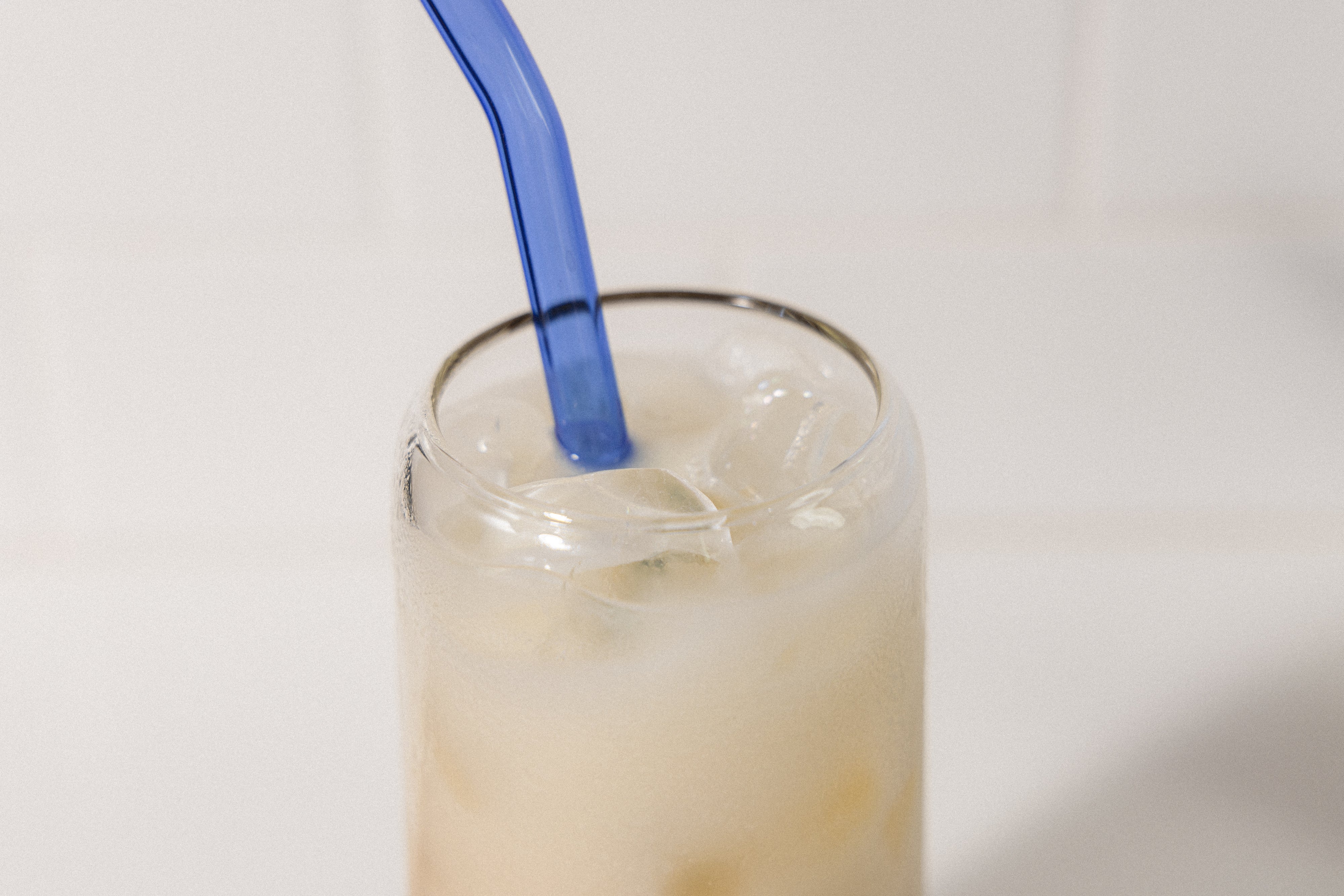
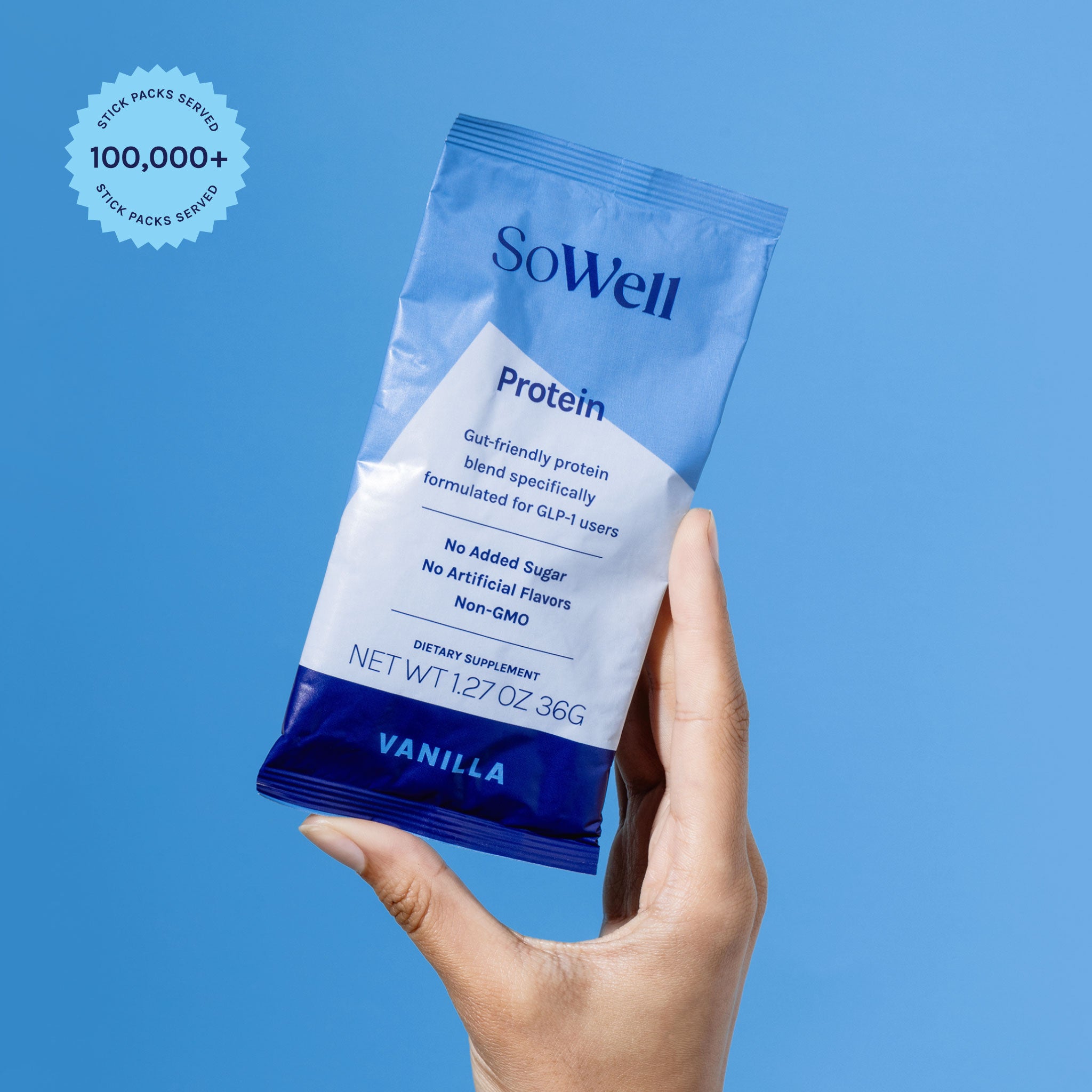
Hitting protein goals can be hard, especially for anyone on a GLP-1 medication. At the same time, protein is especially important for GLP-1 users, so sometimes you need to get creative. SoWell Protein makes it easy. Mixing one stick pack into coffee, smoothies, drinks, yogurt, or baked goods gives you 25 grams of essential protein for healthy muscles, skin, and digestion.
Here's to being strong, healthy, and feeling amazing on GLP-1s!