For a lot of women with PCOS (Polycystic Ovary Syndrome - recently renamed Polycystic Metabolic-Ovarian Syndrome (PMOS) to better reflect its metabolic roots, though you may still see it called PCOS), a GLP-1 is the first thing that's ever actually moved the scale.
After years of being told to "just eat less and move more" — advice that ignores how PCOS rewires metabolism — that's a big deal. A genuinely big deal. So it's no surprise GLP-1s are exploding in the PCOS community, passed along in forums and group chats like the secret nobody told you sooner.
But there's a story forming online that needs a correction before it sets women up to drop the rest of their care.
GLP-1s don't cure PCOS.
The Myth: "A GLP-1 Fixes PCOS"
The hope is understandable. Lose the weight, fix the syndrome, close the book. If only it worked like that.
PCOS is a complex hormonal and metabolic condition, and for many women insulin resistance sits at the center of it. Because GLP-1 medications act on metabolism and weight, research suggests they may help with weight and certain metabolic markers in women with PCOS — which can be genuinely meaningful and life-changing for symptoms tied to those factors. But helping with some of the metabolic picture is not the same as resolving the whole syndrome, and the research here is still emerging rather than settled.
A GLP-1 may address part of the engine. It doesn't replace the rest of your PCOS care — the monitoring, the targeted support, the attention to symptoms that aren't weight-driven. Treating it as a total fix is how women accidentally let the rest of their management slide, then wonder why some symptoms persist.
What a GLP-1 may and may not touch
May support weight and metabolic markers tied to insulin resistance
Does not directly address every PCOS symptom
Comes with its own side effects to manage
Works best inside a broader PCOS care plan, not as a stand-alone fix
The Insulin-Resistance Link — and the Side-Effect Overlap
Here's why GLP-1s and PCOS keep showing up in the same sentence. Insulin resistance is common in PCOS, and it's also central to the metabolic dysfunction GLP-1 medications target. When a medication improves how the body handles glucose and appetite, women whose PCOS is insulin-driven may notice changes that years of dieting never produced — not because they finally found willpower, but because the underlying biology finally got addressed.
But the same side effects every GLP-1 user faces — nausea, constipation, reduced appetite, and the nutrient gaps that come with eating far less — land on PCOS patients too. And here's the twist that makes it matter more for this group: protein, fiber, and key nutrients are especially important for metabolic and hormonal health, so the reduced intake that comes with a GLP-1 can hit women with PCOS particularly hard if it isn't actively managed.
In other words, the medication helps the insulin-resistance driver while simultaneously making good nutrition harder to achieve — at exactly the time good nutrition matters most. That's not a reason to avoid it. It's a reason to plan around it.
The GLP-1 handles everything The GLP-1 is one piece
Treating a GLP-1 as the whole PCOS answer sets you up to neglect the rest — the nutrition, the targeted support, the clinical monitoring that PCOS still needs. The smarter frame: the medication may help with the metabolic and weight side, while you keep supporting the drivers underneath and managing the side effects that come with eating less.
One piece, doing real work, inside a bigger plan. That's how you get the medication's benefits without quietly losing ground everywhere it doesn't reach.
Supporting PCOS on a GLP-1
Protect protein intake as appetite drops
Keep fiber steady for digestion and satiety
Stay ahead on hydration and electrolytes
Support insulin sensitivity where appropriate
Keep your PCOS care team involved
It helps to be specific about what 'the rest of the plan' actually means, because it's easy to nod along and then quietly let it slide. It means keeping the appointments where your provider tracks your labs and symptoms. It means protecting the nutrition that PCOS depends on even as your appetite shrinks. It means continuing to support the insulin-resistance driver rather than assuming the medication has it fully handled. None of that is dramatic, and that's exactly why it gets dropped — the GLP-1 produces the visible win, so the invisible maintenance feels optional. It isn't.
There's also a longer-term question worth holding onto: what happens if you eventually come off the medication? For women with PCOS, the underlying condition doesn't go anywhere just because a GLP-1 helped with weight and metabolic markers for a while. The habits, nutrition, and support you build now are what carry forward. Treating this period as a chance to strengthen the foundation — not just to enjoy the results — is what makes the progress durable rather than borrowed.
Held in that frame, a GLP-1 becomes genuinely good news rather than a complicated one. It's a tool that finally addresses a driver years of effort couldn't move — and one that works best surrounded by the care, nutrition, and support your PCOS has always needed. The medication didn't replace your plan. It gave your plan a powerful new ally.
4.8 Stars (73 Reviews)
Trusted by thousands of GLP-1 users
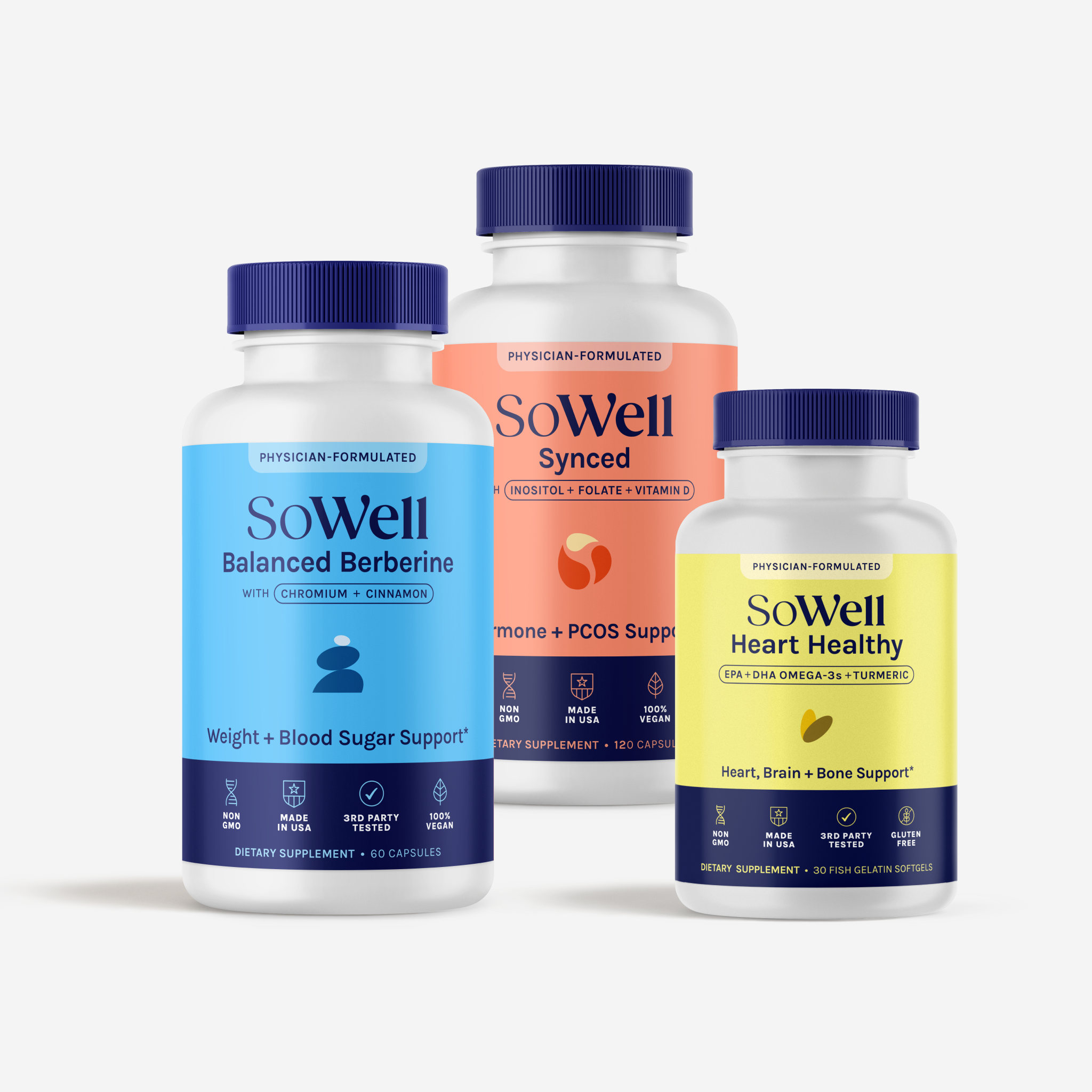
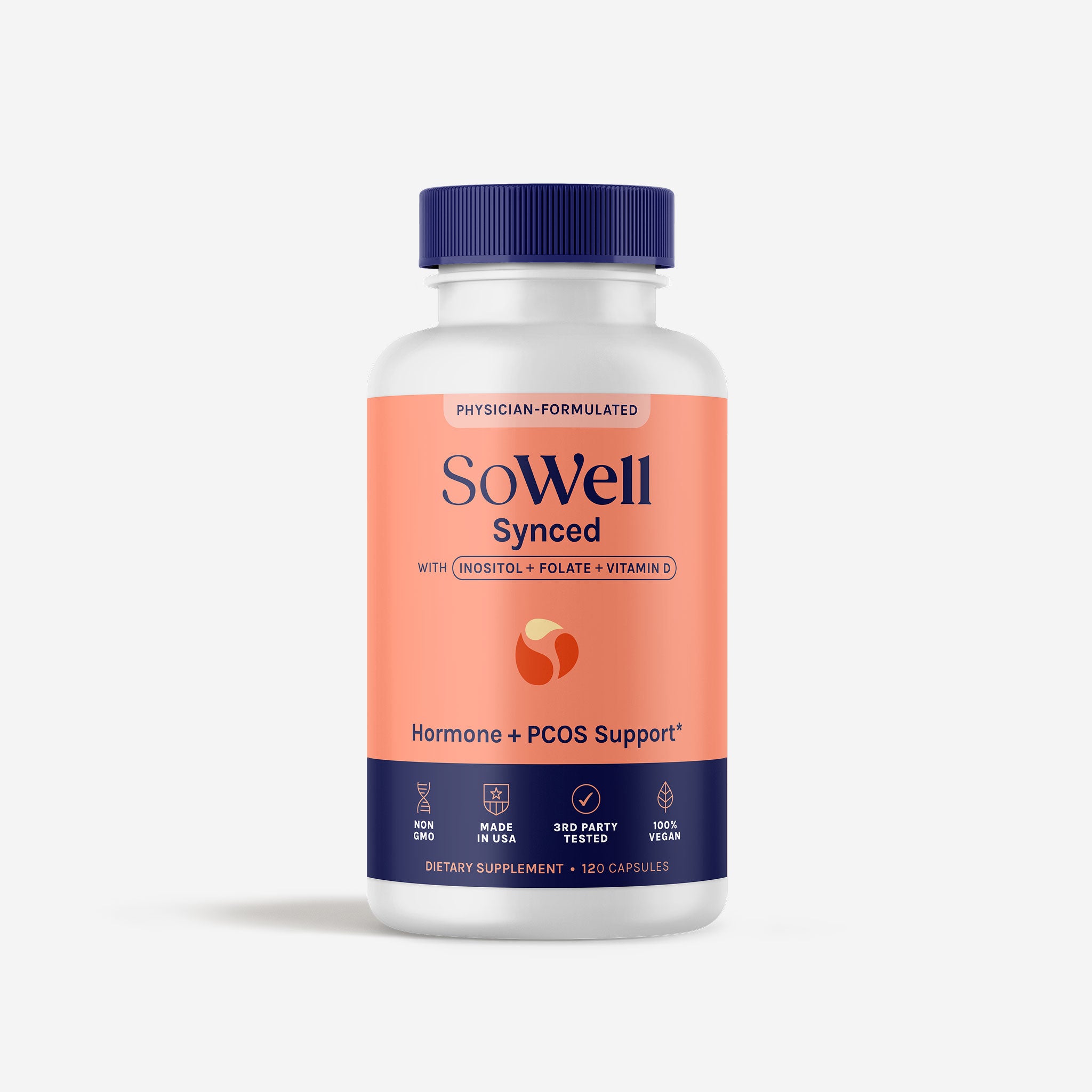
PCOS Support System
Dr. Alexandra Sowa created the products in this support system to target the most common issues related to PCOS, so your body can start working...
$116.00$106.00
Free Resource
Get Dr. Sowa's GLP-1 Starter Guide
Weekly protocols, nutrition tips, and evidence-based guidance for your GLP-1 journey. Join 50,000+ readers.
★ Trusted by 50,000+ GLP-1 users · No spam, ever
How to Manage PCOS and a GLP-1 Together
Cover the gaps the medication creates
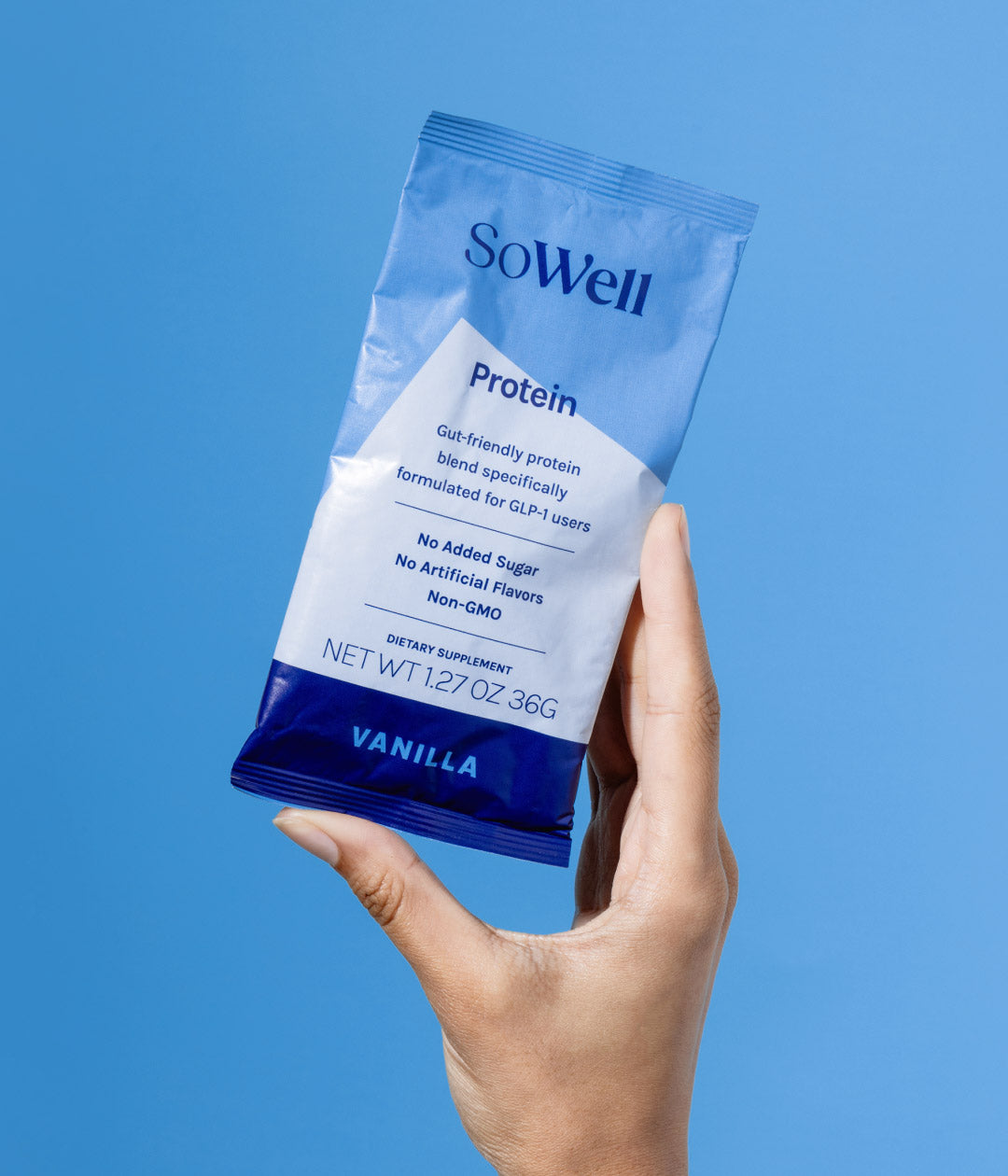
Guard your protein. Eating less makes hitting protein harder right when your metabolism needs it most. Easy, consistent protein protects muscle and steadies energy through the day.
Keep fiber consistent. Constipation is common on GLP-1s, and fiber supports both digestion and the steady blood sugar that matters so much in PCOS.
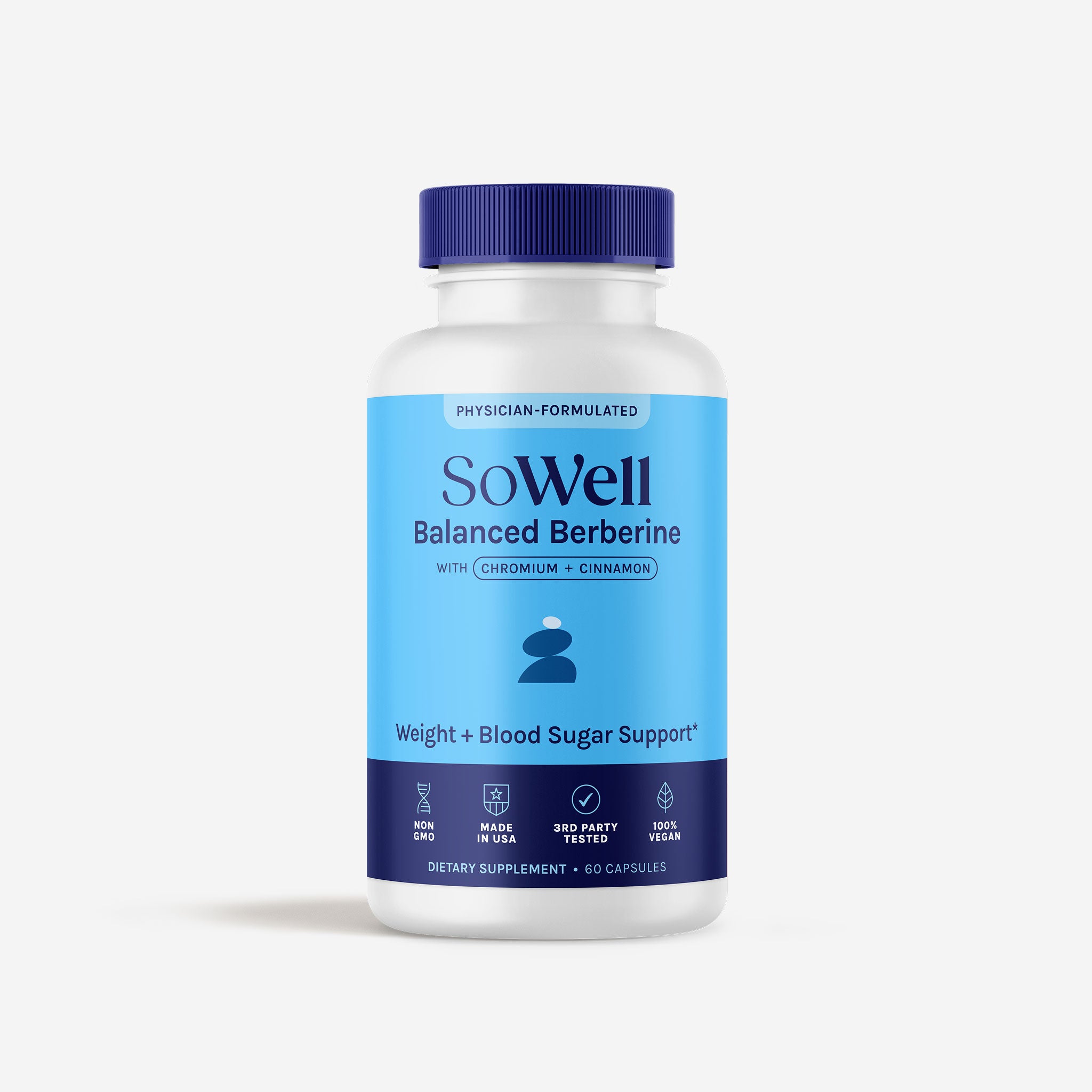
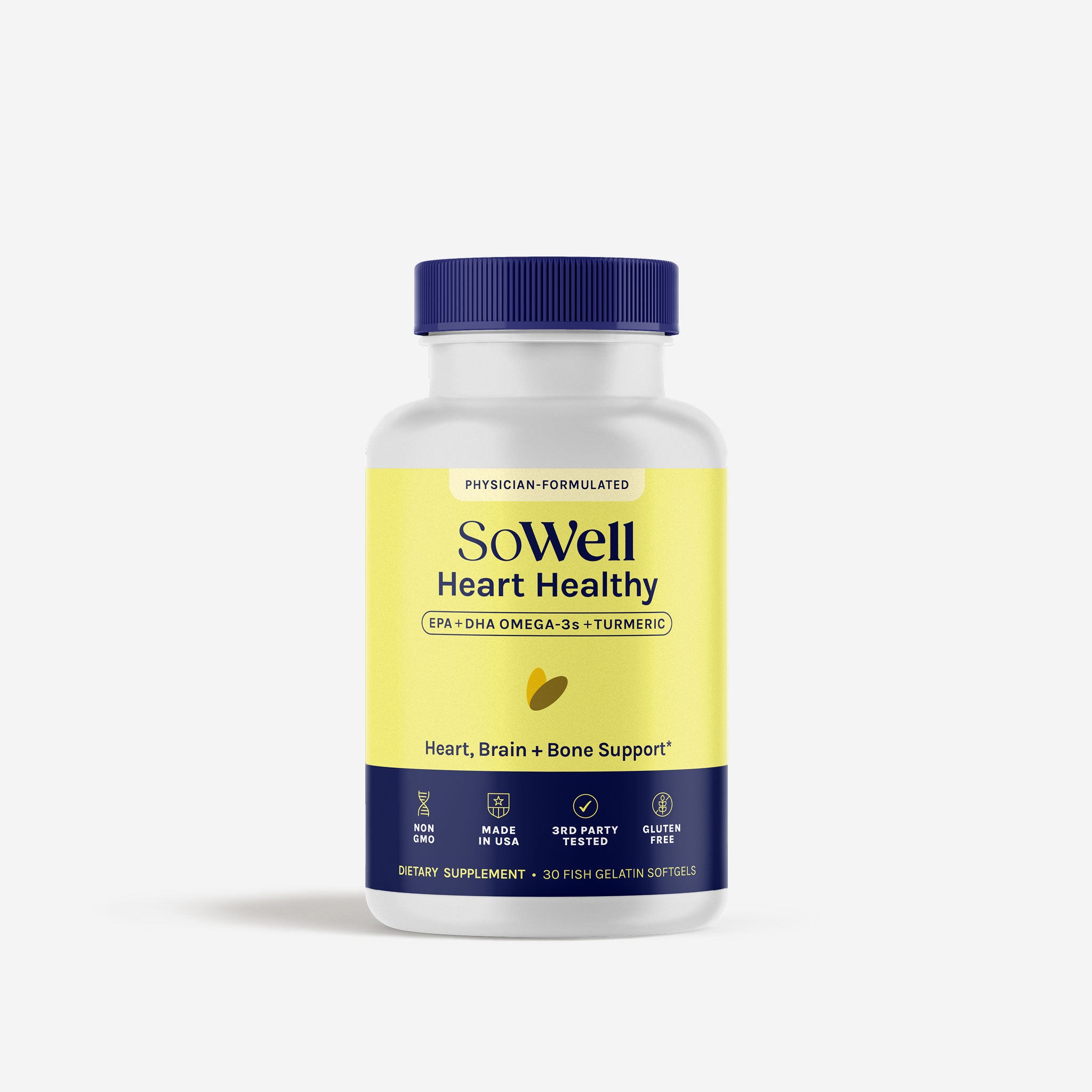
Support the insulin-resistance driver. A PCOS support system aimed at the metabolic levers can complement what the medication is doing rather than duplicating it.
Don't go it alone. PCOS plus a GLP-1 is a lot to coordinate. Your clinician helps you balance the medication, the side effects, and the rest of your care safely.
There's an emotional layer here that deserves naming. For many women with PCOS, years of effort that went nowhere left them blaming themselves. When a GLP-1 finally works, the relief can be enormous — and so can the temptation to treat it as the answer to everything. Holding both truths at once is the healthy frame: the medication is genuinely helping and your PCOS still needs its broader care. Neither cancels the other out.
Practically, that means not letting the rest of your management lapse just because the scale is finally moving. Keep your appointments, keep tracking the symptoms that matter to you, and keep supporting the nutrition that PCOS depends on. The women who do best on a GLP-1 with PCOS tend to treat it as a powerful new tool added to their existing plan — not as permission to put the plan down.
The Bottom Line
A GLP-1 can be a real turning point for women with PCOS — especially when insulin resistance is driving things — but it's one piece of the puzzle, not the whole picture. The next step is to let the medication do its metabolic work while you cover what it can't: support the insulin-resistance driver with a PCOS support system, and manage the reduced-appetite side effects with a coordinated GLP-1 support system for protein, fiber, and hydration.
The medication moved the scale. Your PCOS still needs the rest of the plan. Build both.
Research suggests GLP-1s may help with weight and certain metabolic markers in women with PCOS, particularly when insulin resistance is part of the picture. The research is still emerging, and they don't address every PCOS symptom, so they're best used within a broader care plan guided by your clinician.
Will a GLP-1 cure my PCOS?
No. PCOS is a complex condition that is managed rather than cured. A GLP-1 may help with the weight and metabolic side, especially when insulin resistance is involved, but it doesn't resolve the whole syndrome and should be paired with ongoing PCOS care and nutrition support.
Why are GLP-1 side effects a bigger deal with PCOS?
GLP-1s reduce appetite, which can make it harder to get enough protein, fiber, and key nutrients — all of which matter for metabolic and hormonal health in PCOS. Managing those gaps with consistent protein, fiber, and hydration helps you get the medication's benefits without shortchanging the nutrition your PCOS needs.
Can I take PCOS supplements while on a GLP-1?
Often yes, but it should be coordinated with your clinician, especially with ingredients like berberine that affect blood sugar. The goal is to let the medication support weight and metabolism while targeted support and good nutrition cover the insulin-resistance driver and the side effects of eating less.
4.8 Stars (73 Reviews)
Trusted by thousands of GLP-1 users
PCOS Support System
Dr. Alexandra Sowa created the products in this support system to target the most common issues related to PCOS, so your body can start working...
$116.00$106.00
4.8 Stars (73 Reviews)TRUSTED BY THOUSANDS OF GLP-1 USERS
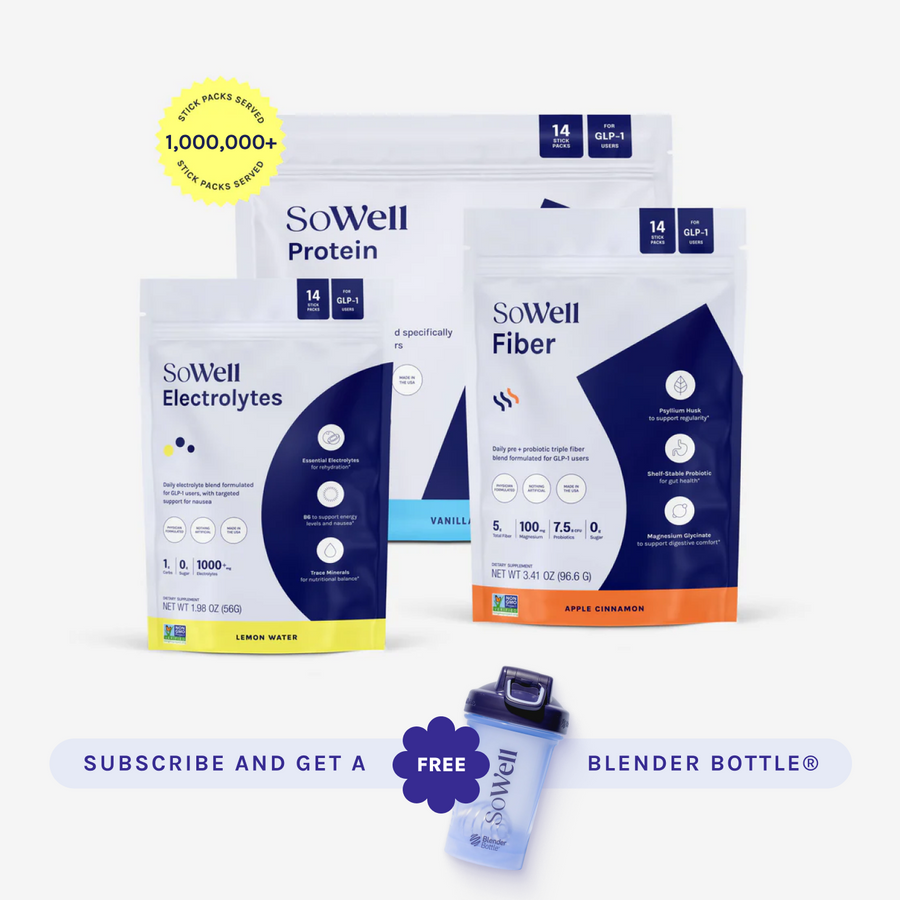
The GLP-1 Support System
Everything you need for a supported GLP-1 journey — fiber, protein, and essential micronutrients in one physician-formulated bundle. Save 20% vs. buying separately.
$104.97
$114.97
Quantity:
About the Author
Dr. Alexandra Sowa, M
Internal Medicine & Obesity Medicine Specialist · SoWell Medical Advisor
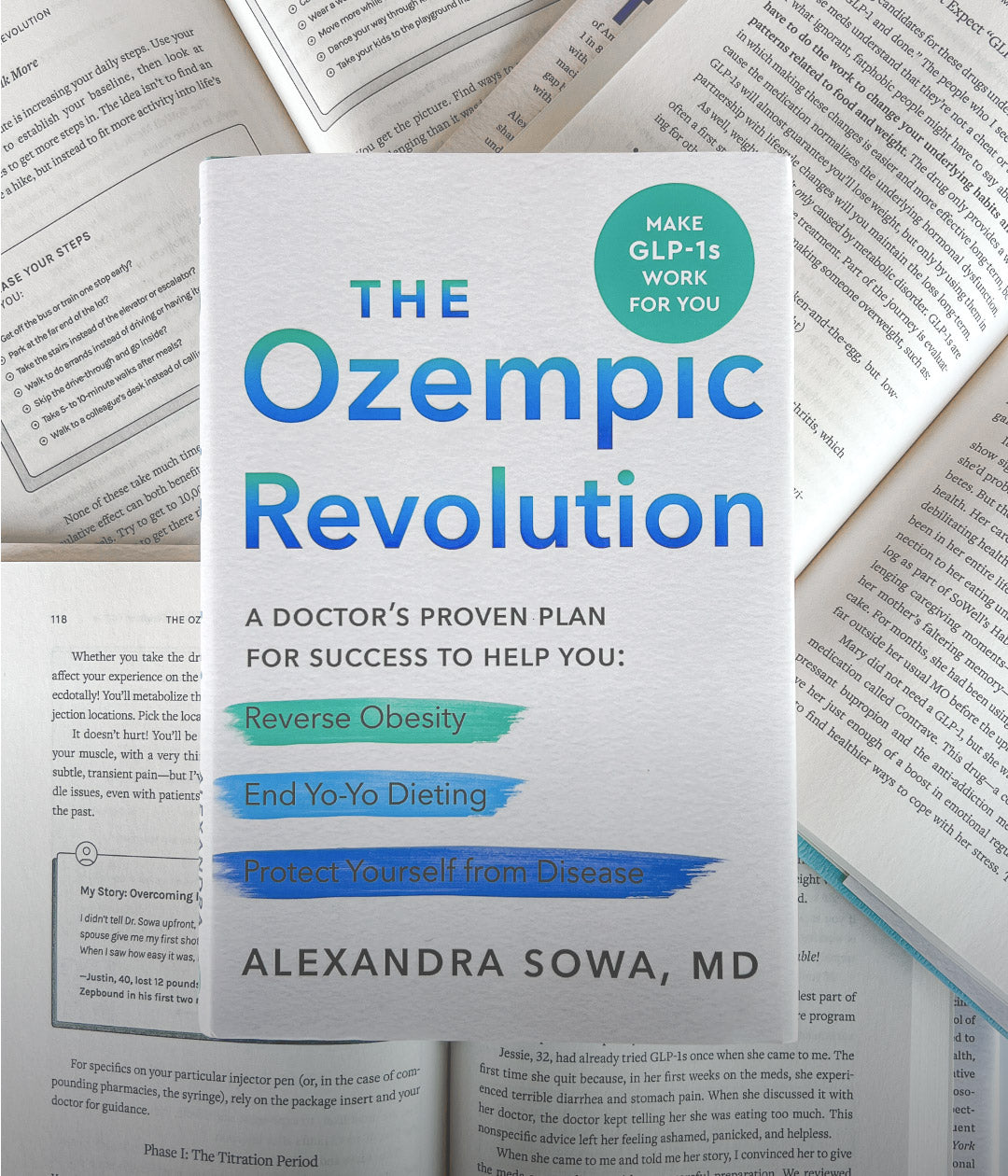
Dr. Sowa is a dual board-certified physician specializing in internal and obesity medicine. She is the founder of SoWell and the author of The Ozempic Revolution. Her practice focuses on evidence-based metabolic health and GLP-1 therapy, and she has been featured in The New York Times, Today Show, and Good Morning America.
*These statements have not been evaluated by the Food and Drug Administration. Products are not intended to diagnose, treat, cure, or prevent any disease.