Walk into any pharmacy and you'll find shelves of electrolytes, protein powders, and fiber supplements. Cheaper than the GLP-1-specific stuff, right there, ready to grab.
So why pay for something formulated specifically for GLP-1 users when a generic version costs less?
Fair question. Here's the honest answer — including where generic actually wins.
The Myth: "A Supplement Is a Supplement — Why Pay More?"
The assumption is that protein is protein, electrolytes are electrolytes, and the GLP-1 label is just marketing markup. Sometimes that skepticism is warranted — plenty of products slap "GLP-1" on the front and change nothing inside. But the real differences, where they exist, come down to formulation choices that matter for a GLP-1 body specifically.
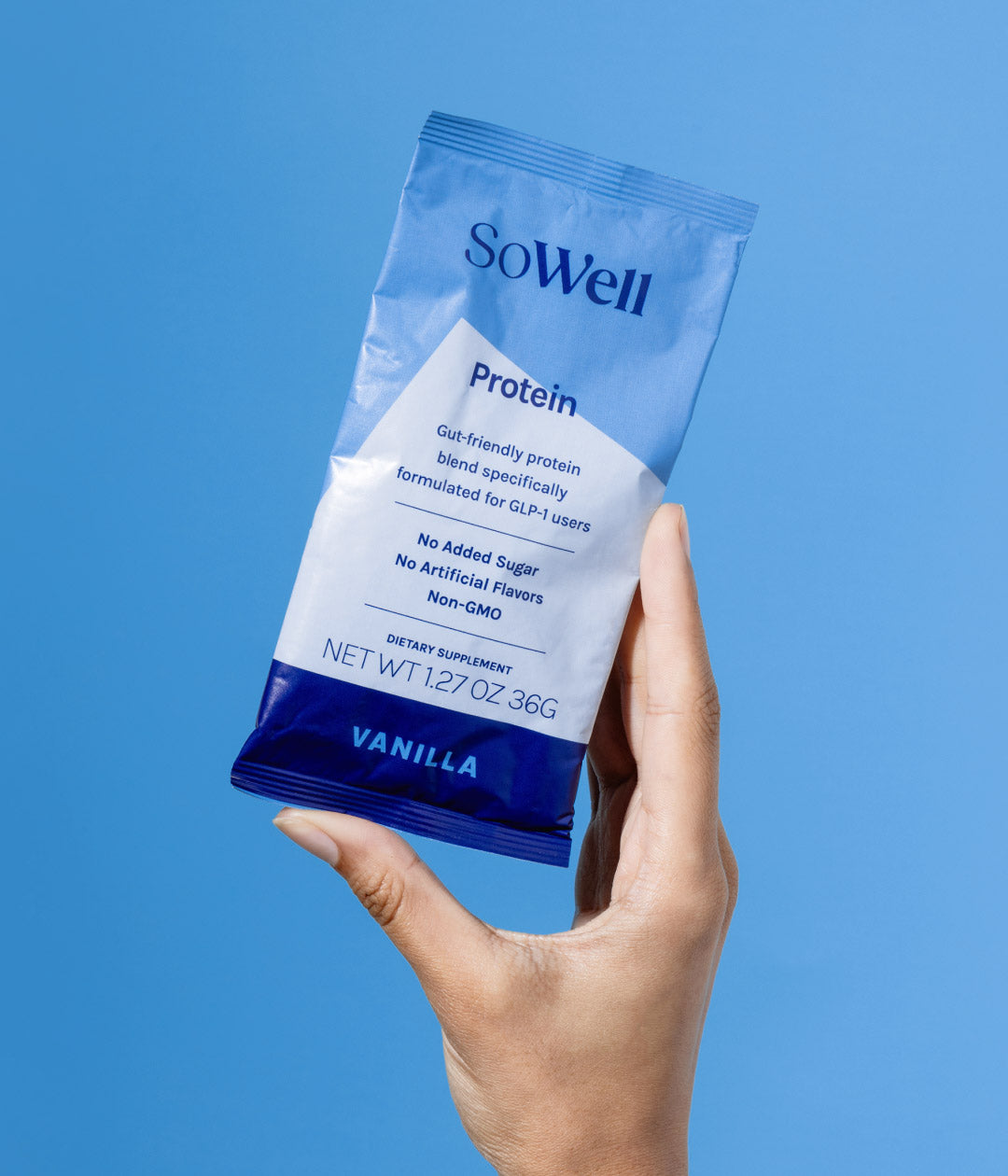
A generic sports electrolyte is built for sweating athletes. A generic protein may be loaded with fillers or sugars that bother a sensitive stomach. A generic fiber might use a single source that increases bloating. None of those were designed for slowed digestion, suppressed appetite, or nausea. That's the gap — not price, but fit.
What "designed for GLP-1" should actually mean:
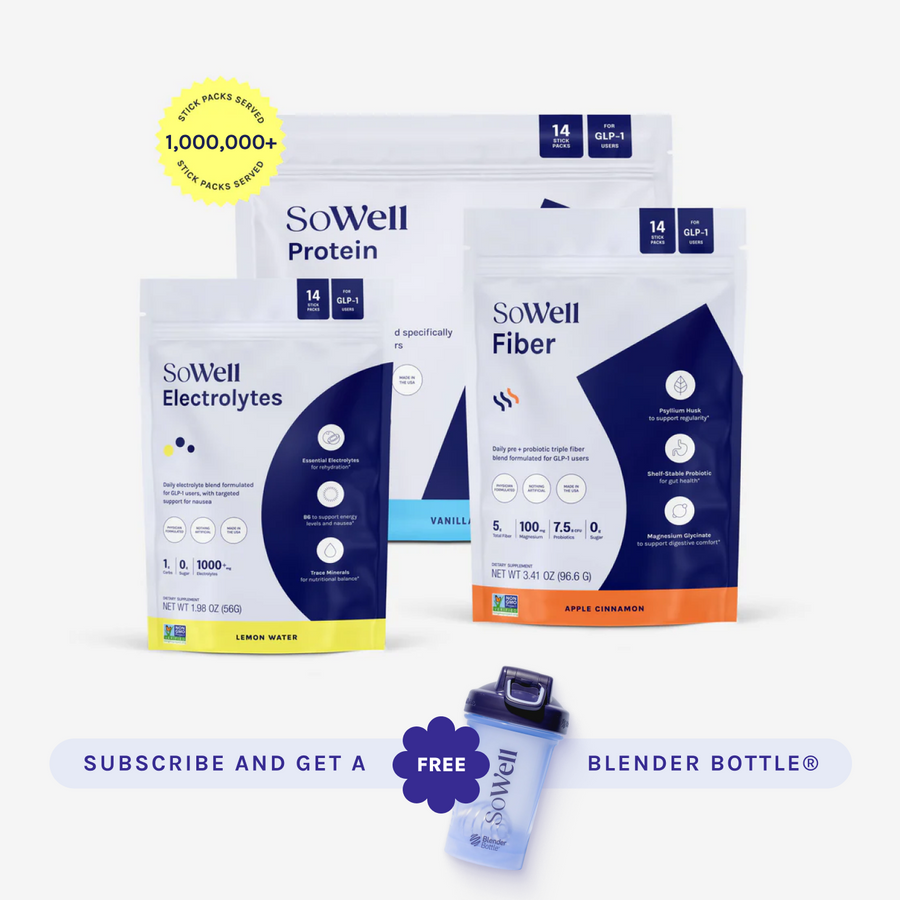
- Electrolytes with nausea support (like B6), not endurance-level sodium.
- Protein that's gentle on digestion, with collagen for skin and hair.
- Fiber blended to minimize bloating, with gut and digestive support.
- Low or no sugar, because metabolic goals matter here.
“
"Most GLP-1 supplements weren't designed for GLP-1 users. They were designed for general wellness shoppers and rebranded when semaglutide went mainstream."
ASDr. Alexandra Sowa, MDInternal Medicine & Obesity Medicine Specialist
The Criteria: What Separates Purpose-Built From Generic
The honest way to evaluate this isn't brand loyalty — it's criteria. For a GLP-1 user, a good supplement is formulated around your actual physiology: it accounts for slowed digestion, suppressed thirst and appetite, nausea, and the nutrient gaps that come with eating less. A generic product optimized for a different purpose can still be useful, but it wasn't built for your situation.
Take electrolytes as the clearest example. A generic endurance formula over-delivers sodium and sometimes sugar your slowed system doesn't want. A GLP-1 electrolyte with B6 and moderate sodium targets the nausea and hydration problem you actually have. Or fiber: a single-source generic can bloat a sensitive gut, while a triple-fiber blend with probiotics and magnesium is built to keep things moving comfortably. The point isn't that generic is worthless — it's that "fit for purpose" is the criterion that matters when your physiology has changed.
When generic is fine vs. when fit matters
Generic can be fine if you're managing well, on a budget, and your needs are simple — a basic protein you tolerate is better than no protein. No shame in that.
Fit matters most when you're struggling with the exact problems GLP-1-specific formulation addresses: nausea that a B6 electrolyte targets, bloating that a blended fiber avoids, a sensitive stomach that rejects sugary or filler-heavy generics. When the generic isn't working, "designed for this" stops being marketing and starts being the reason.
Evaluate any supplement by:
- Is it formulated for GLP-1 physiology?
- Sodium level appropriate (not endurance)?
- Sugar content low or zero?
- Gentle on a sensitive, slowed gut?
- Does it address your actual symptoms?
| What GLP-1 users need |
SoWell (purpose-built) |
Generic sports/store brand |
| Formulated for GLP-1 physiology |
Yes |
No — built for general/athletic use |
| Nausea support (e.g. B6 in electrolytes) |
Yes |
Rarely |
| Gentle on a slowed, sensitive gut |
Yes |
Varies — often not |
| Low/no sugar |
Yes |
Often contains added sugar |
| Lowest upfront price |
No |
Yes — generic usually cheaper |
| Best for |
GLP-1 users managing side effects & nutrient gaps |
Budget-focused, simple needs, general use |
Free ResourceGet Dr. Sowa's GLP-1 Starter Guide
Weekly protocols, nutrition tips, and evidence-based guidance for your GLP-1 journey. Join 50,000+ readers.
★ Trusted by 50,000+ GLP-1 users · No spam, ever
How to Decide What's Right for You
Buy for fit, not for the label
Match the product to your physiology. If you're dealing with GLP-1 side effects, a formula built for them addresses problems a generic ignores.
Read past the front of the package. "GLP-1" on the label means nothing if the formula didn't change. Check sodium, sugar, and fiber type.
Respect your budget honestly. A tolerable generic beats skipping a supplement entirely. Fit matters most where you're actually struggling.
Upgrade where it counts. If nausea or bloating is your problem, that's where purpose-built formulation earns its price. Spend there first.
The Bottom Line
The difference between SoWell and a generic isn't a marketing markup — it's fit. Purpose-built GLP-1 supplements are formulated around slowed digestion, suppressed appetite, and nausea, while generics are optimized for someone else's needs. Generic isn't worthless, and on a tight budget a tolerable basic beats nothing. But your next step is to buy for fit, not the label: spend on purpose-built formulation exactly where you're struggling — nausea, bloating, a sensitive stomach — because that's where "designed for GLP-1" stops being a slogan and starts being the reason it works.
Cheaper isn't the question. "Built for your body" is.