The GLP-1 boom created a gold rush. Every supplement brand on earth suddenly has a "GLP-1 line."
Most of them are the same products they were selling last year, with a new sticker and a higher price.
That's the trap. When a category gets hot, repackaging beats reformulating — it's faster, cheaper, and the customer rarely checks. So the burden falls on you to tell the real thing from the rebrand, because the label certainly won't volunteer the difference.
Here's how to vet a GLP-1 supplement without taking the marketing's word for it.
The Criteria for a Brand Worth Trusting
"Doctor-recommended" on a label means nothing if you don't know how the product was made, who made it, or whether a doctor did anything more than pose for the box. The signals that actually matter are checkable, and a trustworthy brand makes them easy to find rather than burying them.
The enemy here isn't any single competitor — it's the one-size-fits-all supplement that was never designed for a reduced-appetite, altered-taste GLP-1 user and got drafted into the trend anyway. It's not a bad product for its original purpose. It's just wearing a costume.
The four signals that separate real from rebranded
Physician formulation — built by someone who treats GLP-1 patients
Third-party testing — verified, not self-attested
Transparency — full dosing, no proprietary-blend black boxes
GLP-1-specific design — formulated for this body, not repurposed
“
"Most GLP-1 supplements weren't designed for GLP-1 users. They were designed for general wellness shoppers and rebranded when semaglutide went mainstream."
A GLP-1 user is not a generic supplement customer, and that's the distinction the rebrands gloss over. Appetite is down, so dosing has to fit a smaller intake. Taste is altered, so heavy sweetness and salt get rejected by the very palate they're trying to please. Digestion is slowed, so format and fiber matter more than they would for anyone else. Blood sugar is the entire point of the medication, so added sugar isn't just empty calories — it's actively working against the reason you're taking the drug.
An off-the-shelf product designed for the general market ignores every one of those realities — not out of malice, but because it was built for someone else's body and someone else's goals. That's the core difference between a doctor-developed formula and a repackaged one: the doctor-developed version starts from the GLP-1 user's biology and works backward to the formula, while the off-the-shelf version starts from whatever was already running on the production line and works forward to a new label.
This is why "designed for GLP-1 users" isn't a marketing nicety — it's the entire test. A formula either accounts for reduced appetite, altered taste, slowed digestion, and blood-sugar sensitivity, or it doesn't. Everything else is secondary to that single question.
Doctor-recommended on the label Doctor-developed in the formula
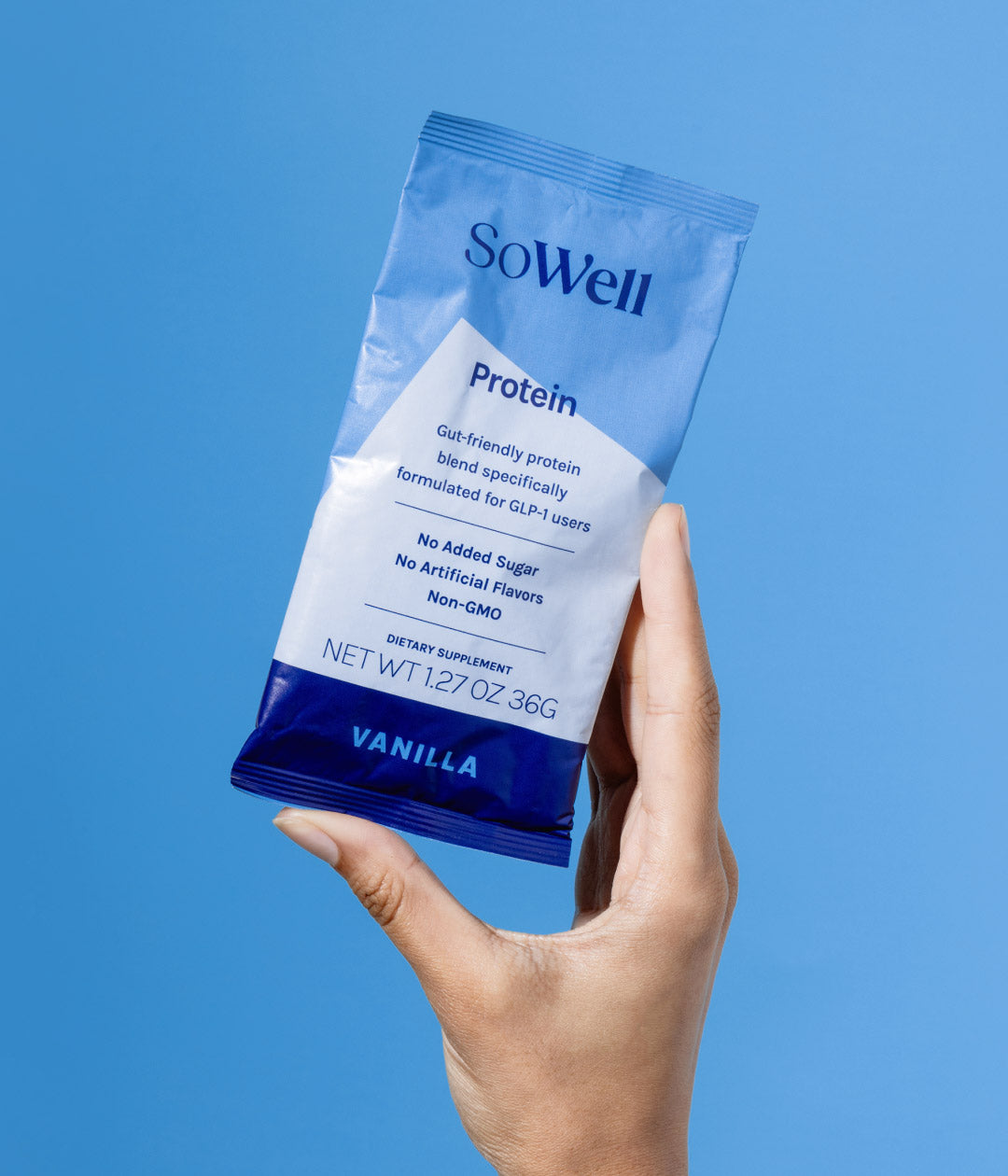
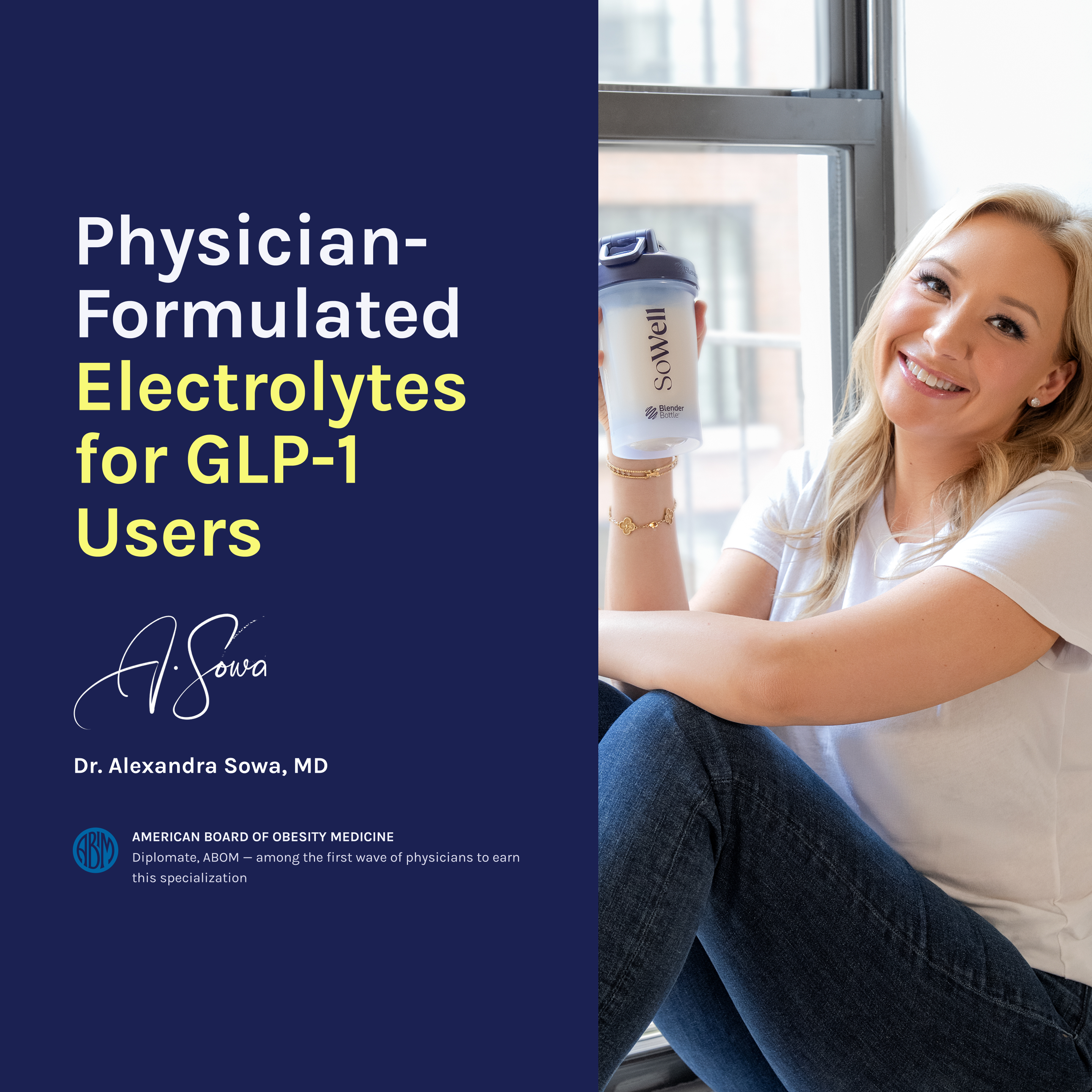
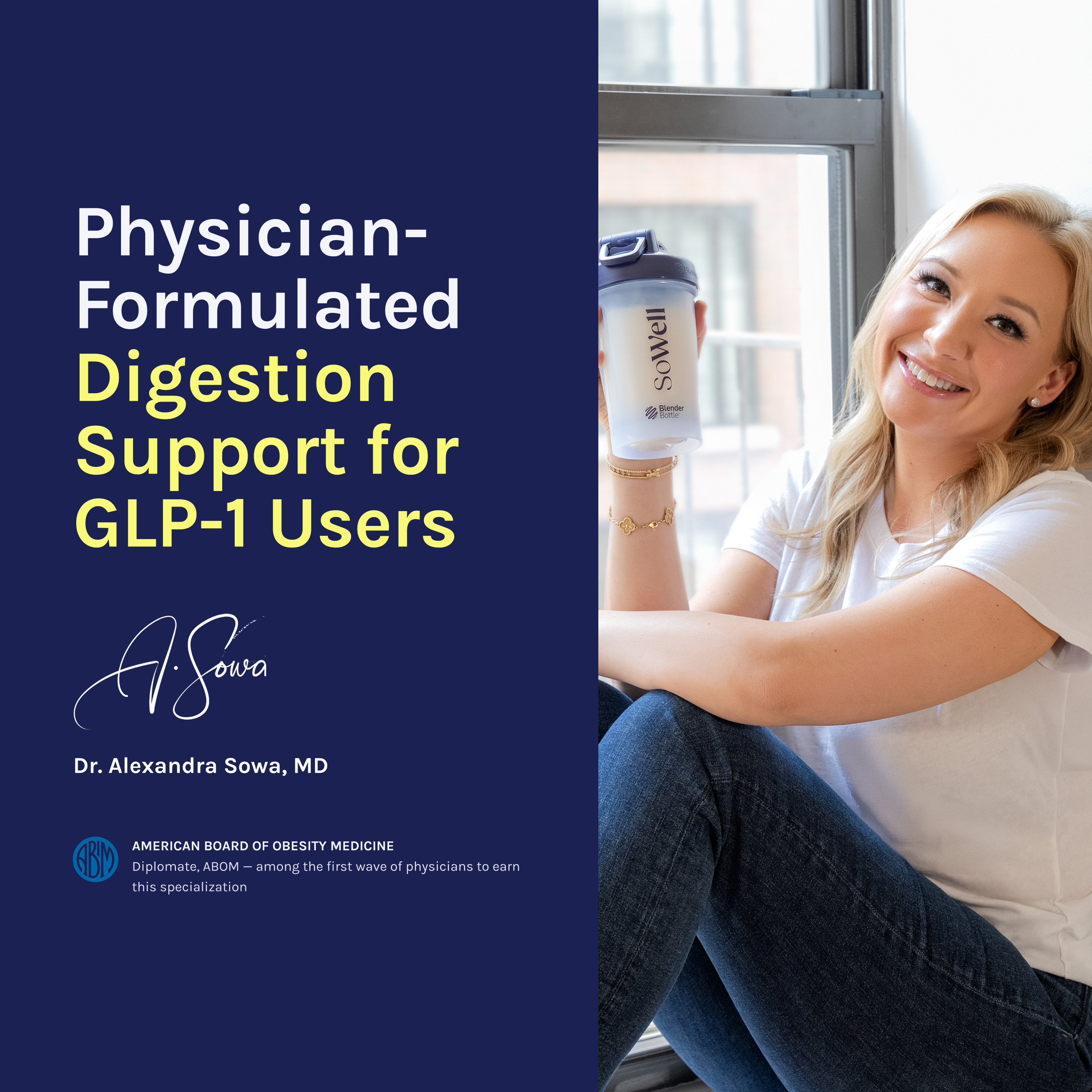
Anyone can print "doctor-recommended." Far fewer can show a physician's hand in the actual formulation — the dosing decisions, the ingredient choices, the GLP-1-specific design. SoWell's verifiable signals are the standard worth holding every brand to: physician-formulated, third-party tested, made in the USA, with no artificial ingredients. Not as a brag — as a checklist you can apply to anyone, including SoWell.
Hold every GLP-1 supplement to it. Watch how many fall short the moment you ask for specifics instead of slogans.
Apply this checklist to any brand
Can you find who formulated it?
Is it third-party tested?
Is the full dosing disclosed?
Was it designed for GLP-1 users specifically?
Is it low in added sugar and artificial junk?
What GLP-1 users need
SoWell
Drugstore supplements
Generic Amazon GLP-1 capsules
Mainstream multivitamins
Physician-formulated for GLP-1 users
Yes
No
Rarely disclosed
No
Third-party tested
Yes
Varies
Often unclear
Varies
Full dosing transparency
Yes
Varies
Often proprietary blends
Varies
Designed for reduced appetite / altered taste
Yes
No
No
No
No artificial ingredients
Yes
Varies
Varies
Varies
Price / immediate availability
Mid-range
Yes
Yes
Yes
Based on publicly available label data as of May 2026. Formulas may change — verify on each brand's site.
The honest concession: if your only priorities are lowest price and grabbing something today, drugstore and generic options win — they're cheap and everywhere, best for a bare-minimum, buy-it-tonight need. That's a legitimate reason to choose them, and no checklist changes it. But on the signals that determine whether a supplement was actually built for your GLP-1 body — formulation, testing, transparency, fit — the doctor-developed approach is in a different category entirely.
Step back and the whole vetting process comes down to a single shift in posture: stop reading labels as promises and start reading them as claims to be checked. A promise asks for your trust; a claim invites your scrutiny. The brands worth your money are the ones that hold up under scrutiny — that tell you who formulated the product, show you the testing, disclose the doses, and explain who it's actually for. That posture costs you five minutes and saves you from a cabinet of rebranded disappointments.
4.8 Stars (73 Reviews)
Trusted by thousands of GLP-1 users
The GLP-1 Support System
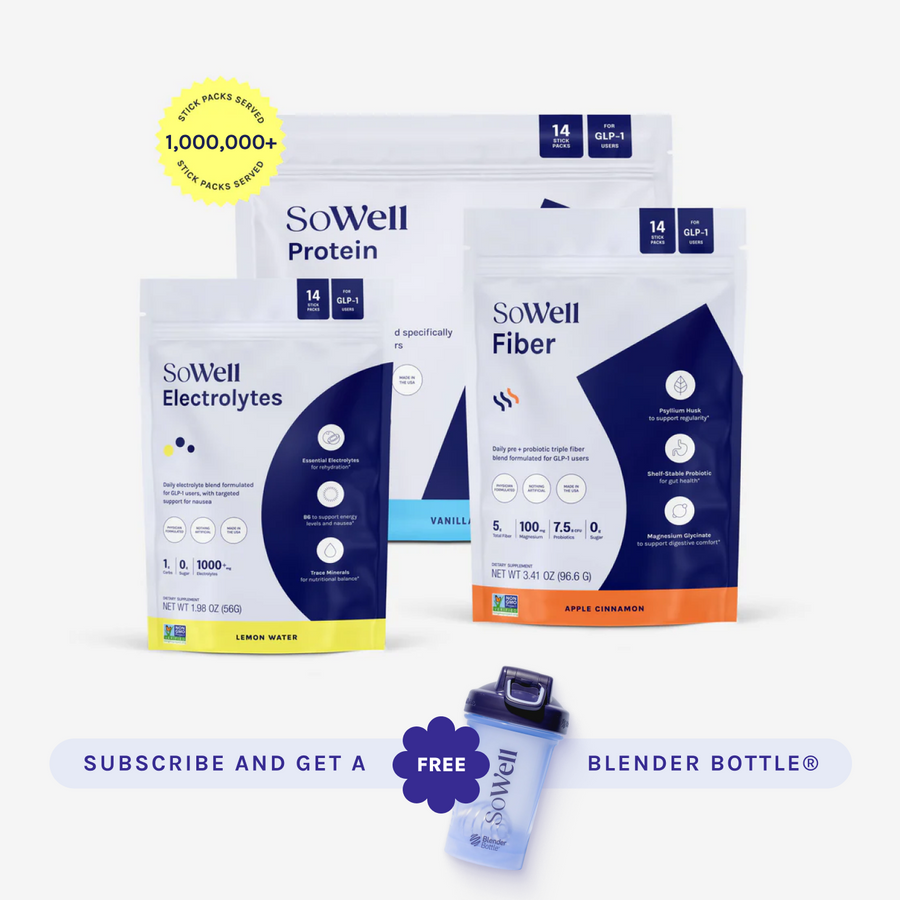
STARTER PACK INCLUDES: 14 SoWell Electrolytes stick packs in Lemon Water ($34.99 value) 14 SoWell Protein packs in Vanilla ($44.99 value) 14 SoWell Fiber stick packs in Apple Cinnamon ($34.99...
$114.97$104.97
Quantity:
Free Resource
Get Dr. Sowa's GLP-1 Starter Guide
Weekly protocols, nutrition tips, and evidence-based guidance for your GLP-1 journey. Join 50,000+ readers.
★ Trusted by 50,000+ GLP-1 users · No spam, ever
How to Vet Before You Buy
Five minutes that save you money
Find the formulator. A trustworthy brand tells you who built the formula and why. If you can't find a name or a rationale, treat the "doctor-recommended" claim as decoration, not evidence.
Look for third-party testing. Self-attested quality is a promise; third-party testing is verification. Hold out for the latter — it's the difference between "trust us" and "check for yourself."
Reject the black box. Proprietary blends hide how much of anything you're getting. Full dosing transparency is the baseline, not a bonus you should feel grateful for.
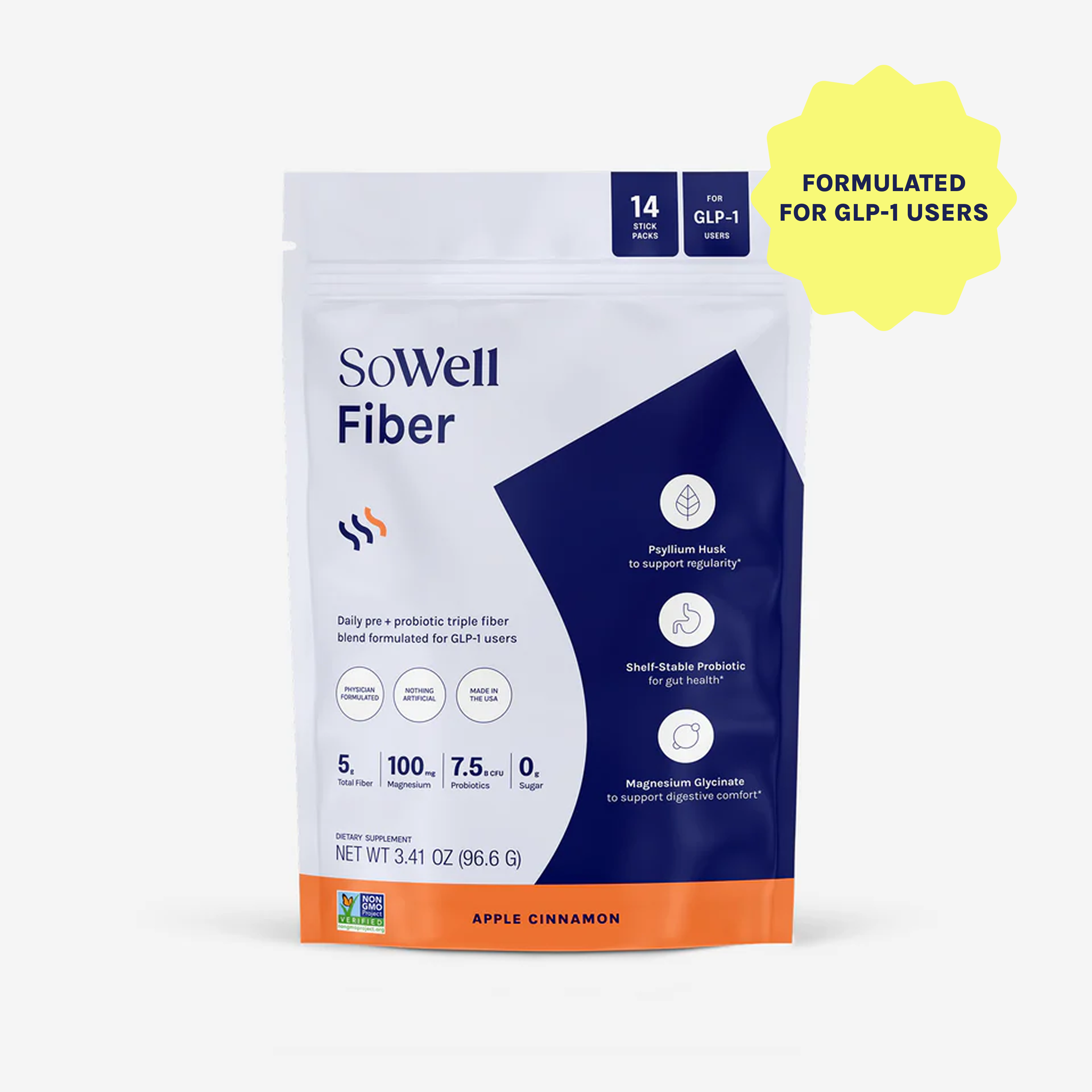
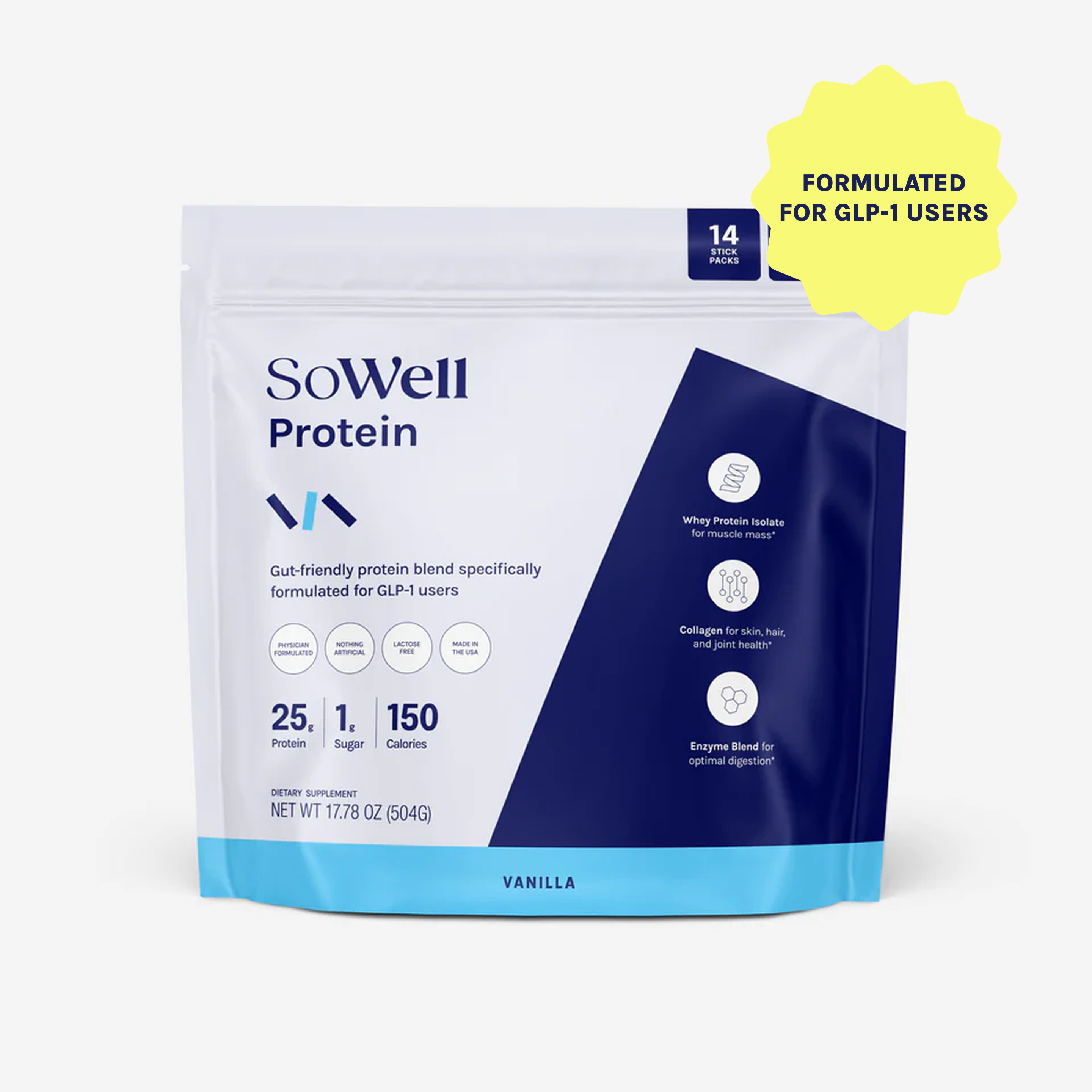
Check it was built for you. A formula designed for GLP-1 users — like the GLP-1 Support System — accounts for reduced appetite, altered taste, and slowed digestion. A repurposed general-market product simply doesn't.
There's a subtler tell worth learning to read, too: how a brand talks about results. Repackaged products tend to lean on vague, sweeping promises — 'supports your journey,' 'optimizes wellness' — because vague claims are cheap and unfalsifiable. A formula built by people who actually understand GLP-1 physiology tends to be specific about what it does and honest about what it doesn't. Specificity is a quiet signal of competence; vagueness is a quiet signal of marketing in the driver's seat.
And don't underestimate the value of a brand that says 'talk to your clinician.' It seems like boilerplate, but a company confident in its product and respectful of your safety will consistently point you back toward your care team rather than positioning itself as a replacement for medical advice. Brands chasing a trend often do the opposite, implying their product can stand in for professional guidance. The trustworthy ones know their lane and stay in it.
The Bottom Line
The GLP-1 gold rush filled the shelves with rebranded products hoping you won't check how they were made. So check. Find the formulator, demand third-party testing, reject proprietary-blend black boxes, and confirm the product was actually designed for a GLP-1 body. When you apply that checklist honestly, a physician-formulated, third-party-tested option like the GLP-1 Support System is what's left standing.
"Doctor-recommended" is a sticker. "Doctor-developed" is a formula. Learn to tell which one you're holding.
4.8 Stars (73 Reviews)
Trusted by thousands of GLP-1 users
SoWell Electrolytes
Grab-and-go stick packs in a resealable, travel-friendly bag Light, refreshing, natural lemon water flavor Super dissolvable powder leaves no residue or grit 1g carbs...
Your Questions About Choosing GLP-1 Supplements, Answered
How do I know if a GLP-1 supplement is legit?
Check four things: who formulated it, whether it's third-party tested, whether the full dosing is disclosed, and whether it was actually designed for GLP-1 users. Legitimate brands make these easy to verify. If a product hides its formulator, skips third-party testing, or buries doses in a proprietary blend, treat its claims with skepticism.
What's wrong with off-the-shelf supplements for GLP-1 users?
Most were designed for the general market, not for a body with reduced appetite, altered taste, slowed digestion, and a focus on blood sugar. That means dosing, sweetness, format, and sugar content often work against a GLP-1 user. They're not necessarily bad products — they were just built for someone else.
Does "doctor-recommended" on a label mean anything?
On its own, not much — it's easy to print. What matters is whether a physician actually shaped the formulation: the dosing, ingredient choices, and GLP-1-specific design. Look for "doctor-developed" backed by transparency and testing, not just a recommendation claim on the front of the box.
Are cheaper drugstore options ever the better choice?
If your only priorities are lowest price and immediate availability, drugstore and generic options can make sense for a bare-minimum need. But for support actually designed around GLP-1 biology — appropriate dosing, low sugar, third-party testing, transparency — a doctor-developed formula delivers more of what this specific situation calls for.
4.8 Stars (73 Reviews)
Trusted by thousands of GLP-1 users
GLP-1 Support System Sample Pack
GLP-1 Support System Sample Pack
$19.99
4.8 Stars (73 Reviews)TRUSTED BY THOUSANDS OF GLP-1 USERS
The GLP-1 Support System
Everything you need for a supported GLP-1 journey — fiber, protein, and essential micronutrients in one physician-formulated bundle. Save 20% vs. buying separately.
$104.97
$114.97
Quantity:
About the Author
Dr. Alexandra Sowa, M
Internal Medicine & Obesity Medicine Specialist · SoWell Medical Advisor
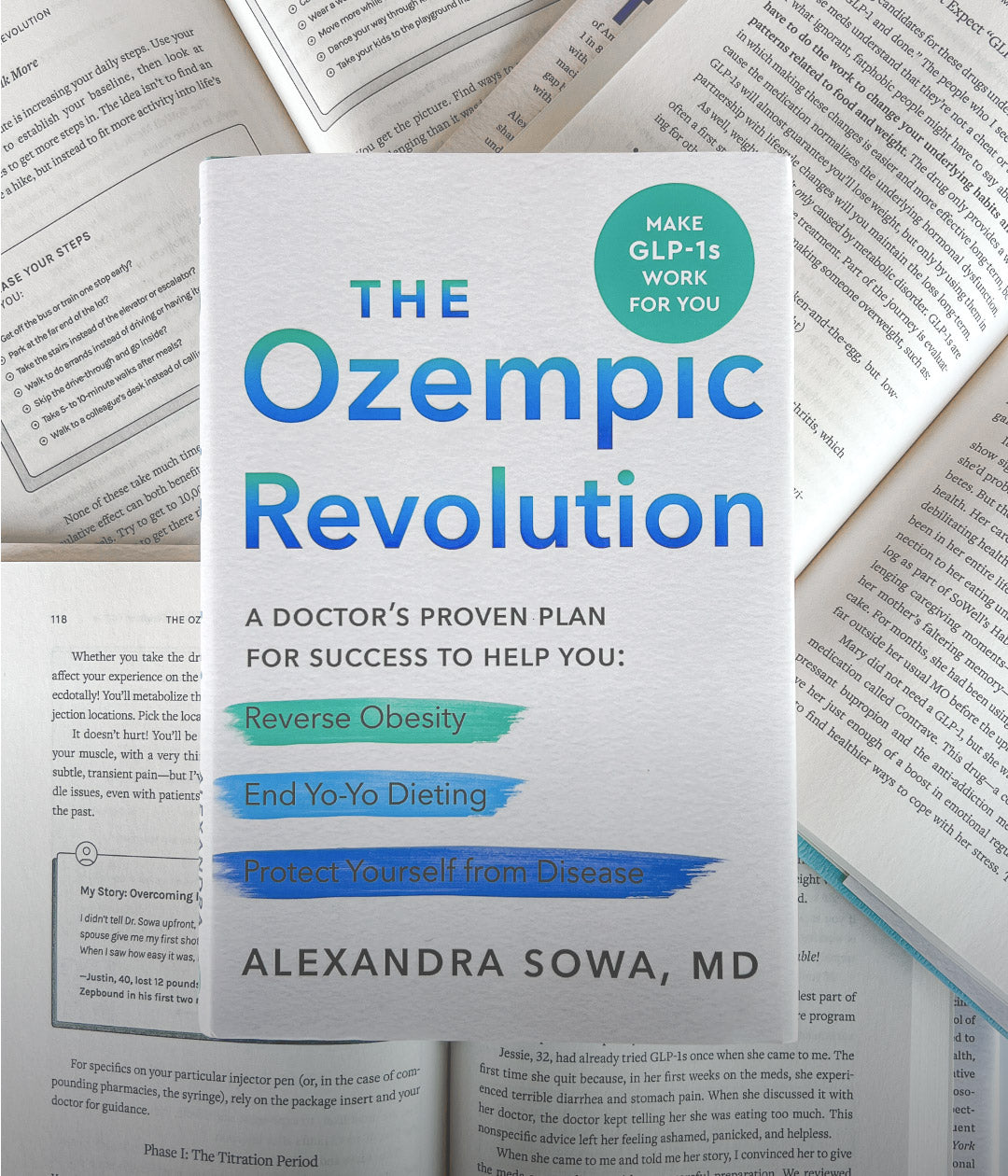
Dr. Sowa is a dual board-certified physician specializing in internal and obesity medicine. She is the founder of SoWell and the author of The Ozempic Revolution. Her practice focuses on evidence-based metabolic health and GLP-1 therapy, and she has been featured in The New York Times, Today Show, and Good Morning America.
*These statements have not been evaluated by the Food and Drug Administration. Products are not intended to diagnose, treat, cure, or prevent any disease.