Every few weeks, a new "GLP-1 supplement" goes viral on TikTok. The bottle promises to mimic Ozempic naturally, boost your GLP-1 levels, and melt fat without a prescription. The comment section fills with before-and-afters. The price is $39.99.
Here's what's actually in most of them: berberine, apple cider vinegar, and maybe some chromium. Repackaged generics riding a trend, dressed up in clinical-looking branding, sold to people who are doing their homework and deserve better than a grift.
But the myth that all GLP-1 supplements are snake oil? That's also wrong — and it's costing people real results.
The truth is more specific, and more useful. Some ingredients have genuine clinical evidence behind them for GLP-1 users. Some don't. And knowing the difference is the entire game.
The GLP-1 Supplement Market Has a Serious Signal-to-Noise Problem
When a drug category explodes the way GLP-1 medications have, the supplement industry follows fast. Manufacturers slap "GLP-1 support" on products that were already sitting in warehouses last year. Marketing teams discover that "nature's Ozempic" drives clicks. And suddenly, people who are genuinely trying to make their medication work as well as possible can't tell what's worth their money and what isn't.
The problem isn't that no supplements work for GLP-1 users. The problem is that the ones with real evidence behind them aren't the ones trending.
What "GLP-1 support" should actually mean:
- Addressing the specific physiological side effects of GLP-1 medications (nausea, GI disruption, electrolyte shifts, fatigue)
- Protecting what matters during rapid weight loss — specifically, lean muscle mass
- Supporting sleep and recovery, which medication-driven appetite suppression can disrupt
- Filling genuine nutritional gaps created by dramatically reduced food volume
“
"Most GLP-1 supplements weren't designed for GLP-1 users. They were designed for general wellness shoppers and rebranded when semaglutide went mainstream."
ASDr. Alexandra Sowa, MDInternal Medicine & Obesity Medicine Specialist
What the Evidence Actually Says, Ingredient by Ingredient
This is the part most supplement brands skip. They list ingredients with impressive names and skip the mechanism. Here's the honest version — what has real data behind it for GLP-1 users, and what doesn't.
Ingredients with hype Ingredients with evidence
Vitamin B6 has a well-established track record for nausea management — it's ACOG-recommended for pregnancy-related nausea, and clinicians commonly apply this off-label for GLP-1 medication nausea, which shares a similar mechanism (centrally mediated, not stomach-acid driven). Psyllium husk is the gold standard for GI motility support in research literature — peer-reviewed, consistent, and directly relevant to the constipation and gut motility changes GLP-1 users commonly experience. Whey protein isolate, combined with resistance training, has strong evidence in weight-loss populations for preserving lean muscle during caloric deficit — the muscle-loss risk on GLP-1s is real, and adequate protein is the primary lever for addressing it. Magnesium glycinate has solid evidence for sleep quality support, and is the form most tolerated by people who already have sensitive GI systems.
Ingredients with weak or no evidence in this context
-
Berberine alone: Different mechanism than GLP-1 medications — activates AMPK rather than incretin pathways. Research suggests modest blood sugar effects, but it is not interchangeable with GLP-1 drugs and has not been studied specifically to support GLP-1 users. "Nature's Ozempic" is marketing, not science.
-
Apple cider vinegar gummies: May have minor effects on post-meal glucose, but no evidence for GLP-1-specific symptom support or meaningful weight outcomes in this population.
-
Collagen alone (no protein backbone): Incomplete amino acid profile. Won't protect muscle mass the way a complete protein source does. Common in GLP-1 supplement blends because it's cheap, not because it works for this purpose.
Free ResourceGet Dr. Sowa's GLP-1 Starter Guide
Weekly protocols, nutrition tips, and evidence-based guidance for your GLP-1 journey. Join 50,000+ readers.
★ Trusted by 50,000+ GLP-1 users · No spam, ever
A Doctor's Framework: What to Ask Before You Buy Any GLP-1 Supplement
Four questions that separate evidence-based from empty
Does it address a specific GLP-1 side effect? Vague promises like "supports healthy weight" aren't GLP-1 support — they're generic supplement copy. Look for products that name the actual physiological problem they're solving: nausea, GI motility, muscle preservation, electrolyte loss, sleep disruption. If the label could apply to anyone, it was made for no one.
Is the mechanism plausible? Berberine activates different pathways than GLP-1 medications. Collagen lacks the amino acid profile to protect muscle. The supplement doesn't have to work like the drug — it has to address what the drug creates. Ask: does this ingredient have a biological reason to solve this specific problem? If the brand can't explain the mechanism, that's your answer.
What's the evidence quality? "Clinically studied ingredients" is a phrase that means almost nothing — studies vary wildly in size, population, and relevance. Psyllium's GI motility data is robust and peer-reviewed. B6 for nausea has ACOG backing. Magnesium glycinate for sleep has real depth. Those bars exist. Apply them.
Does the dose match the research? Proprietary blends are the supplement industry's favorite way to include an ingredient at a sub-therapeutic level and still put it on the label. If the dose isn't disclosed, or if it's buried in a blend that totals less than what the research used, it won't perform like the research. Transparency about dosing isn't optional — it's the minimum.
This is the due diligence most buyers skip because the TikTok video made it seem simple. It isn't. But it's also not that complicated once you know what to look for.
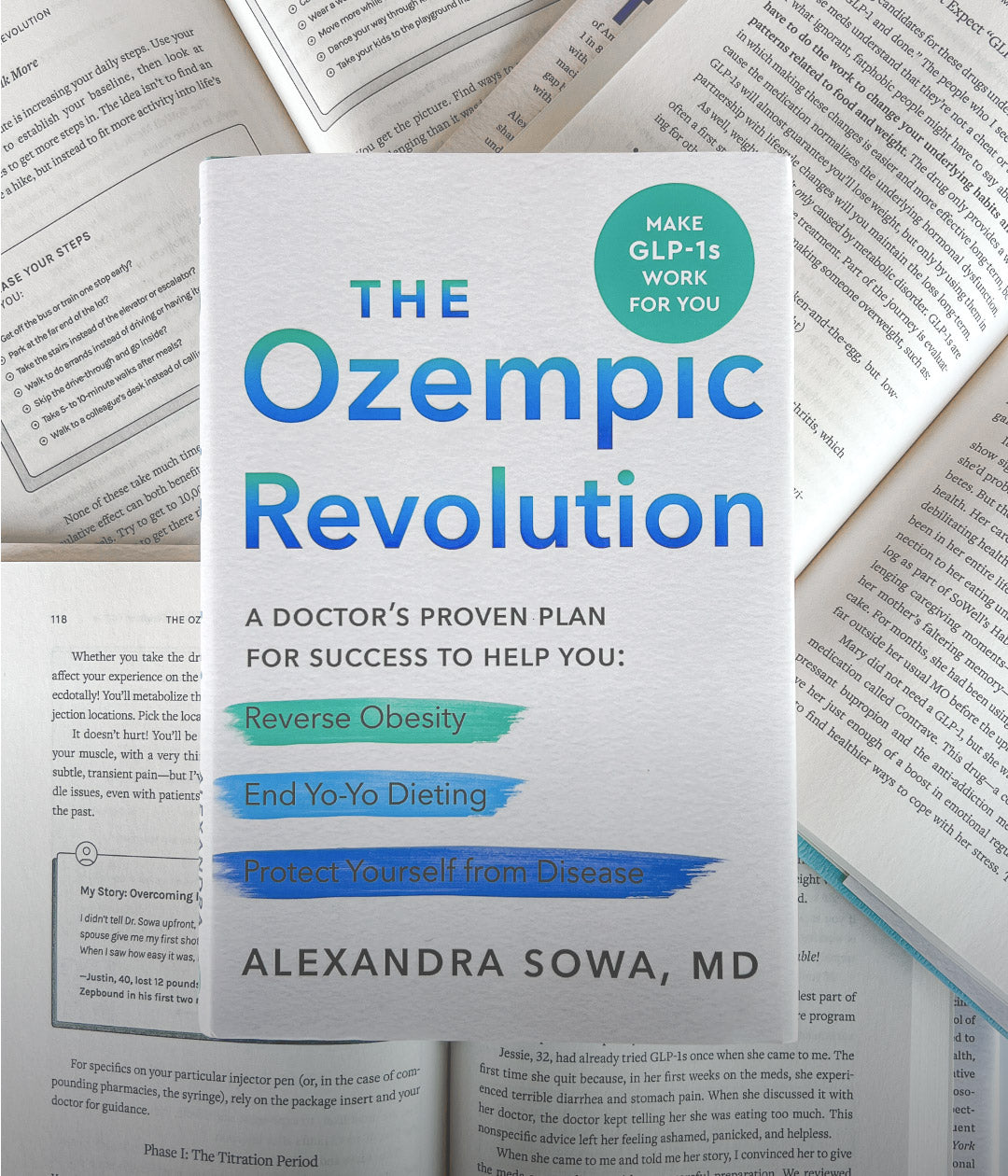
Dr. Alexandra Sowa, a physician who has worked extensively in the GLP-1 space, covers this framework in depth in The Ozempic Revolution — including how to evaluate supplements, what questions to ask your prescriber, and how to structure your protocol for long-term results rather than short-term numbers. It's the resource that treats you like someone capable of making an informed decision, because you are.
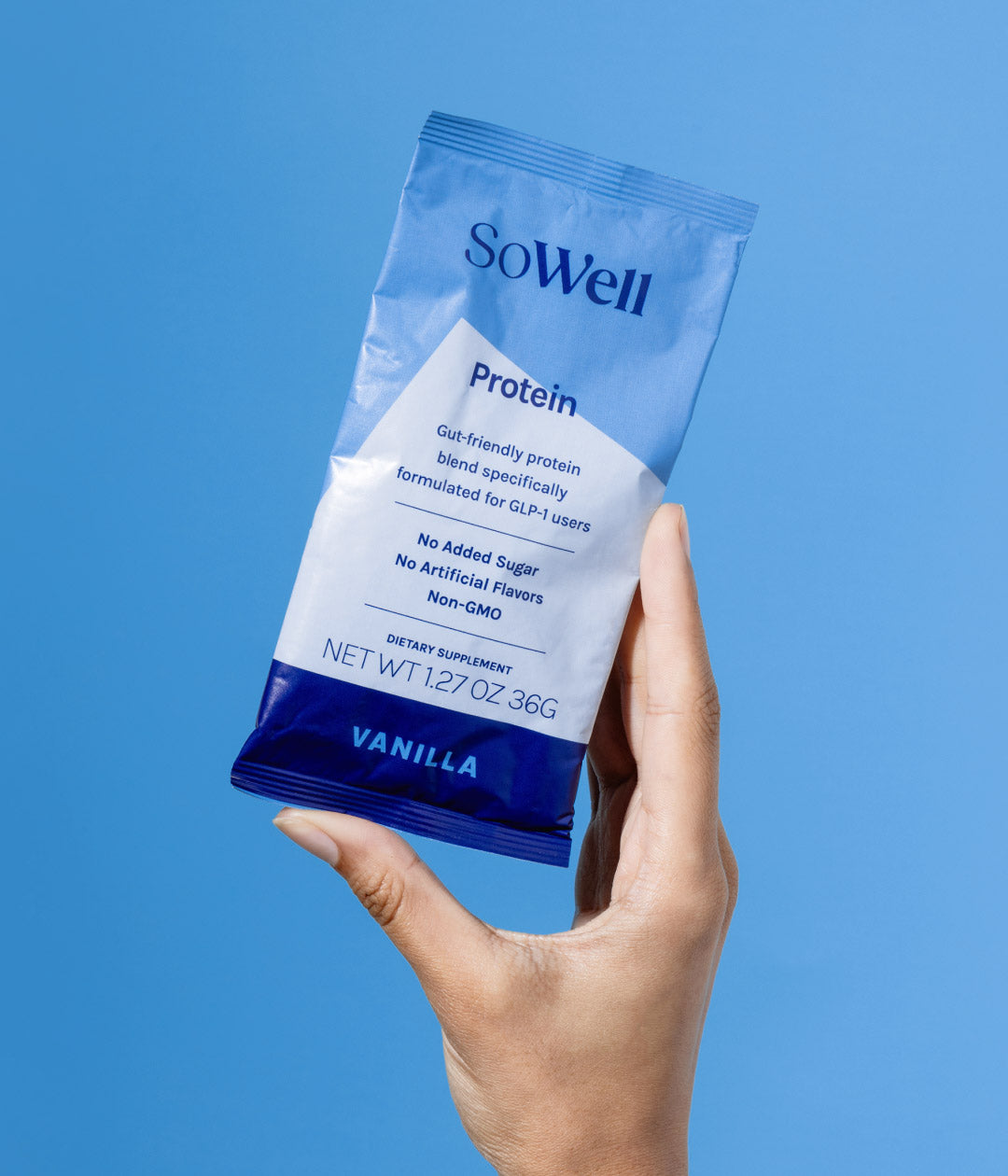
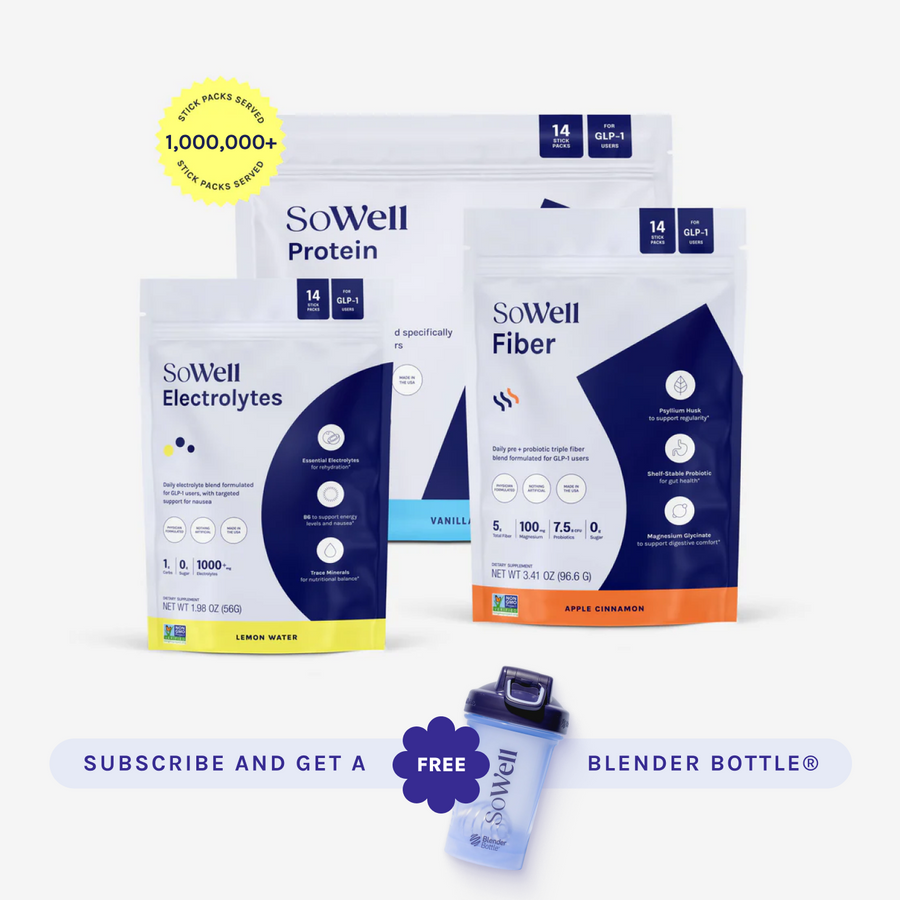
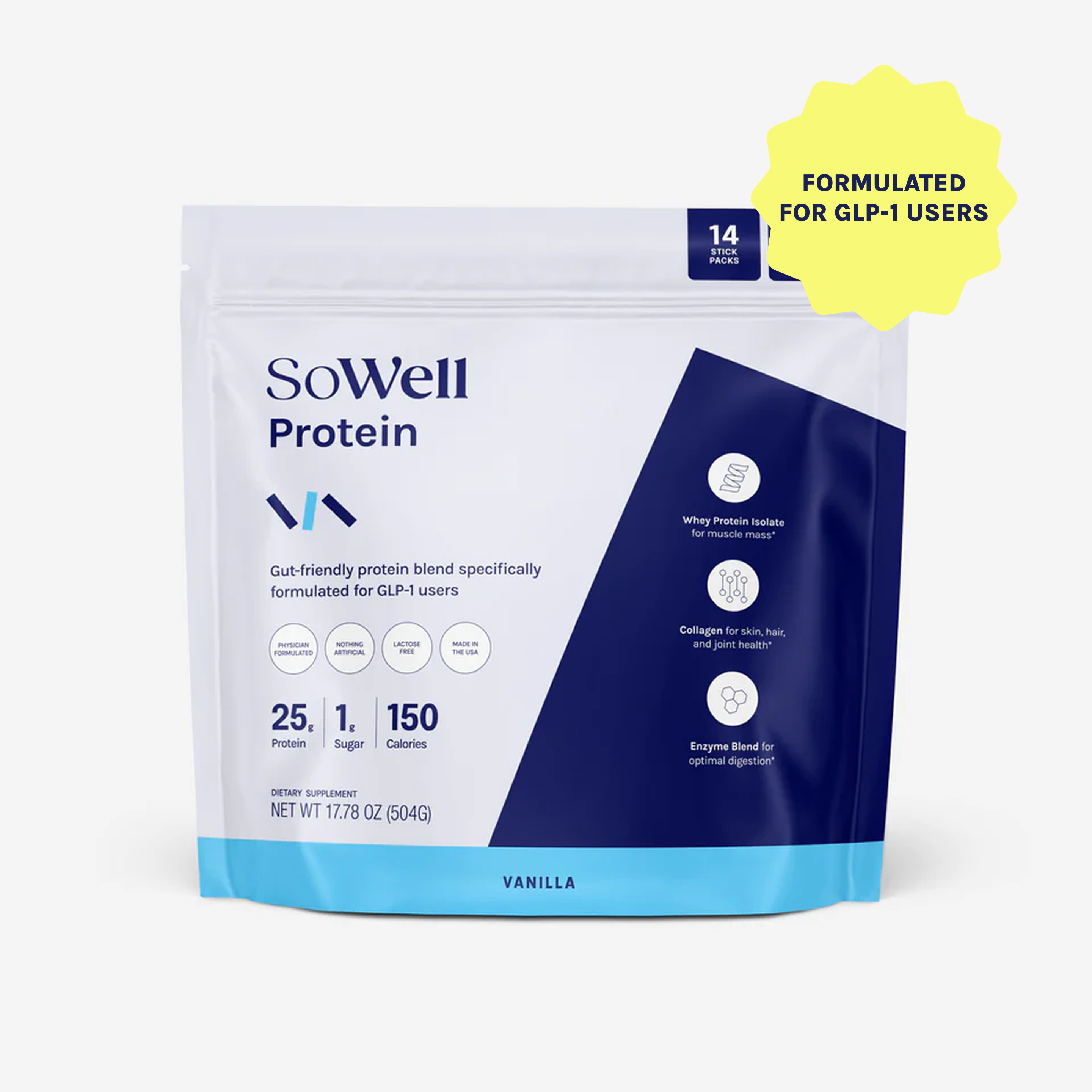
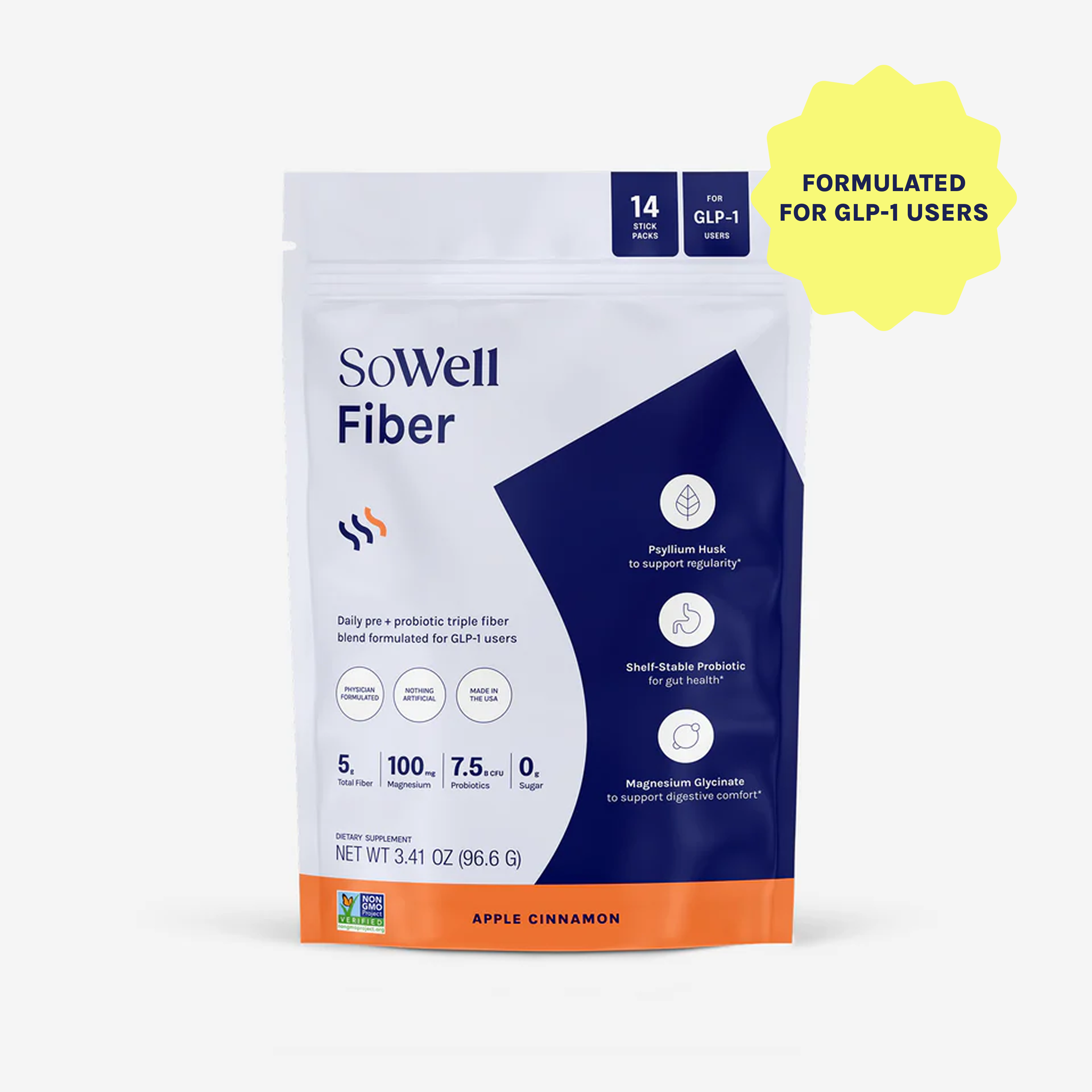
The SoWell GLP-1 Support System was built against exactly this standard. B6 for nausea. Psyllium for GI motility. Whey isolate for muscle preservation. Magnesium glycinate for sleep. Doses that match the evidence. No berberine marketed as nature's Ozempic. No apple cider vinegar gummies dressed up in clinical branding.
It's what GLP-1 support looks like when the formulation follows the science rather than the trending search terms.
The Bottom Line
Most GLP-1 supplements on the market are opportunistic reformulations with no specific evidence for GLP-1 users. But the correct response to that isn't "all GLP-1 supplements are worthless." The correct response is knowing what the evidence actually supports — B6, psyllium, complete protein, magnesium glycinate — and applying those criteria before you hand over your money. The SoWell GLP-1 Support System exists specifically for people who did the diligence and want a product that holds up to it.
The skeptics are right to be skeptical. They're just skeptical about the wrong things.