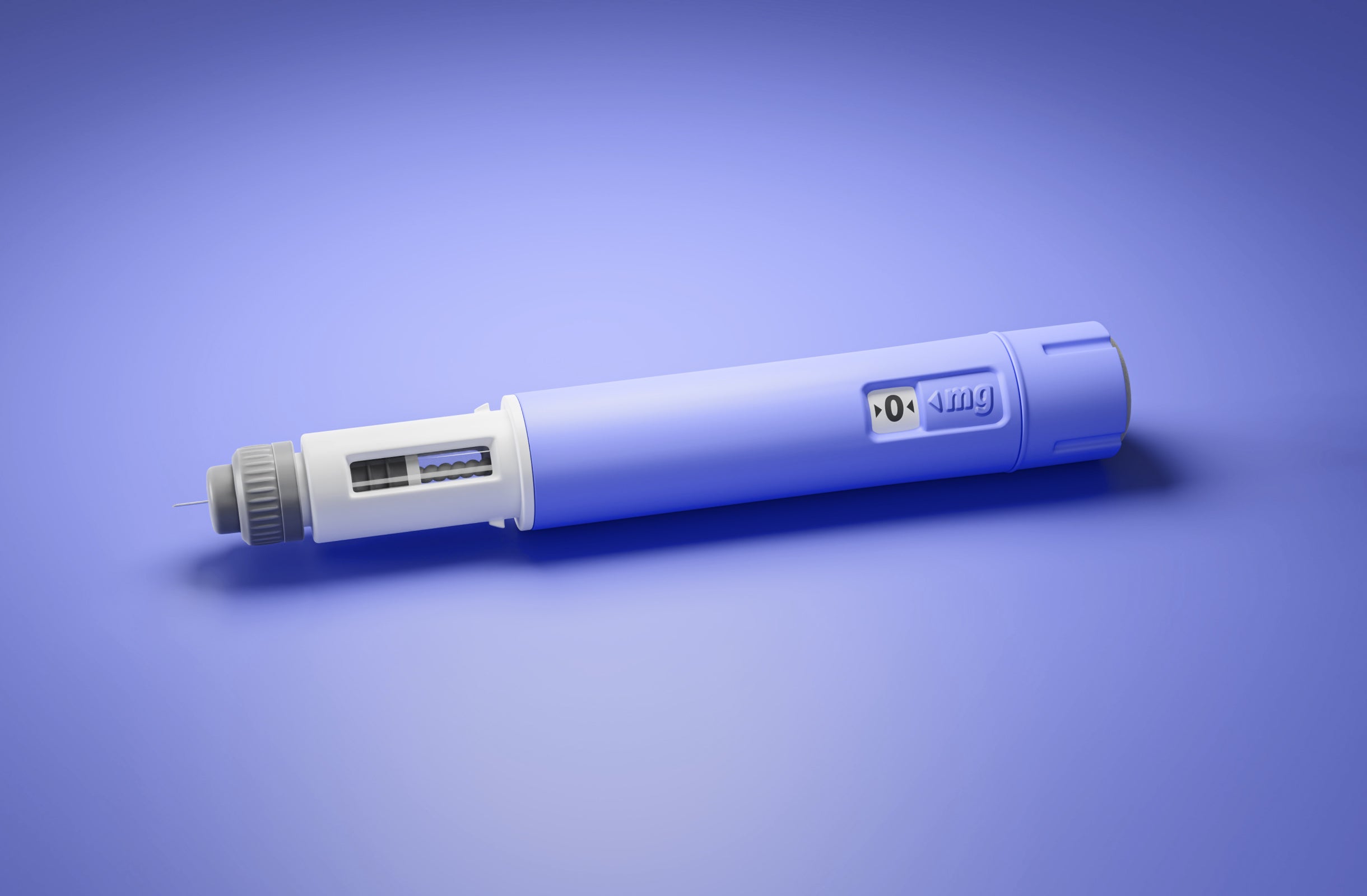
GLP-1 medications are powerful. But "powerful" cuts both ways — and for the 17% of patients who drop out of clinical trials due to side effects, the medication never gets a chance to work.
The difference between patients who push through and those who quit isn't willpower. It's protocol. Our founder, obesity medicine physician Dr. Alexandra Sowa, recently joined the Plus SideZ podcast to answer the questions her patients ask most — from why nausea hits so hard to what's actually driving metabolic dysfunction in the first place.
The answers she gives her patients are the same ones that shaped the SoWell GLP-1 Support System. Here's what she said.
“
"Most GLP-1 supplements weren't designed for GLP-1 users. They were designed for general wellness shoppers and rebranded when semaglutide went mainstream."
ASDr. Alexandra Sowa, MDInternal Medicine & Obesity Medicine Specialist
Q: What Causes Nausea and Sulfur Burps on GLP-1s?
GI side effects are the biggest complaint across all GLP-1 medications. In some trials, the dropout rate is up to 17%. But we can treat it, and everyone I start on these medications can tolerate it — because we have a protocol that helps relieve and prevent these side effects.
What's happening with sulfur burps is that there's actually too much food sitting in the stomach. It's your body's way of saying "I can't digest this, I can't take any more food right now." It's because these meds do slow down digestion — my anesthesiology colleagues now want patients stopping Mounjaro a full 10 days before any planned surgery, not just fasting from midnight. It's a very powerful medication.
To help, focus on foods that don't take up too much space in the stomach and are easy to digest. A lot of people will be surprised at this, but vegetables can actually take up a lot of room in the stomach and are harder to break down — so I recommend a focus on protein. You can also wait to drink water until after eating to take up less space in the stomach.
For nausea specifically, I recommend keeping electrolytes by your bed to drink first thing in the morning. Nausea can literally be the body asking for salt. And a B-Complex will really help cut down on nausea and can have a nice effect on reducing a lot of these GI side effects generally.
Push through the side effects and hope they pass Side effects are signals — and they respond to a targeted protocol
Nausea, sulfur burps, and fatigue aren't random. Each one has a mechanism, and each one has a specific answer. Electrolytes address the salt deficit driving nausea. B-Complex directly reduces GI distress. Protein-first eating reduces the stomach load causing sulfur burps. This is exactly why the SoWell GLP-1 Support System was built as a stack, not a single product — because the side effects stack too.
Dr. Sowa's protocol for GLP-1 side effects
-
Nausea — electrolytes by the bed, first thing in the morning; B-Complex daily
-
Sulfur burps — protein-first eating; reduce food volume; delay liquids until after meals
-
Fatigue — electrolytes for cellular hydration; expect dose-escalation dips to resolve
-
GI distress generally — B-Complex; whey protein isolate over whole foods when appetite is low
Free ResourceGet Dr. Sowa's GLP-1 Starter Guide
Weekly protocols, nutrition tips, and evidence-based guidance for your GLP-1 journey. Join 50,000+ readers.
★ Trusted by 50,000+ GLP-1 users · No spam, ever
Q: Why Do People Feel Fatigued on GLP-1s?
Since GLP-1s reduce blood sugar, even a few-point reduction is enough for the body to register as a change. Generally speaking, the fatigue goes away by the end of the first month — and then it hits again when you go up on the dose. I remind patients that this is normal. Once we get you to your maintenance dose, it resolves.
Dehydration plays a role too. Electrolytes are very much your friend. Sodium brings the water you drink to the right places in your body — so even if you're chugging water, if you don't have salts alongside it, you won't get it into the right parts of your body and you'll feel the effects.
The third factor is that when the body is in a weight loss state, it's trying to figure out whether it should conserve energy. People can experience some insomnia and a bit of fight-or-flight activation. That's why we taper up on these medications gradually — and why we can't stress the body too much in the process. Over time, the body adapts to its new state.
Q: What's the Science Behind Metabolic Dysfunction?
A lot of people come to me and say, "I am trying so hard, and the weight keeps coming on. And I know you won't believe me." And I say: of course I believe you. This is all I do.
Fat is the most powerful organ in the body. Metabolic dysfunction is what happens to lead to excess fat — it could be decreased leptin (the satiety hormone), insulin resistance, or any number of hormonal imbalances. And when you put on the weight, there are negative feedback signals that further dysregulate everything. As insulin resistance grows, the body becomes increasingly unable to burn what you're bringing in, and goes into fat storage mode.
For someone to meet the criteria for true metabolic syndrome, they'll show elevated blood sugar, low HDL, high triglycerides, and increased abdominal circumference. When we can identify that dysfunction early — in those early stages when weight is coming on and the patient doesn't understand why — we can stop a lot of disease in its tracks.
Q: Why Do Doctors Miss It?
I long recognized that people would come to me saying, "I ran all the labs and everything looks fine." And I'd look at the same labs and see early insulin resistance. That's a runaway train — for most people, insulin resistance will progress to type 2 diabetes, so we want to catch it early.
Testing fasting insulin is a scientifically validated tool that's not routinely used in clinical medicine — but it allows us to predict pre-diabetes or insulin resistance up to 15 years before we see an increase in average blood sugar markers. I developed the Weight Biology Kit to test for fasting insulin alongside the other markers that make up metabolic syndrome — because what you can measure, you can address.
Q: How Is Diet Culture Damaging to the Metabolism?
If you look at the Biggest Loser studies, you see excessive dieting and exercise that initially produces weight loss — but what does extreme calorie restriction ultimately do? It tanks your basal metabolic rate and puts you at a disadvantage unless you maintain that exact level of deprivation forever. Otherwise, the weight comes back in waves.
Some people conclude from this that you shouldn't lose weight at all. But no — it's the extreme yo-yo that's harmful. Losing weight needs to be done appropriately. The way we titrate GLP-1 medications helps patients do exactly that, losing between 0.5% and 1% of total body weight per week. It shouldn't be more than that.
Overall, the focus needs to be on macronutrients — protein especially — and some form of exercise. Strength training is best because it helps preserve basal metabolic rate during weight loss.
The Bottom Line
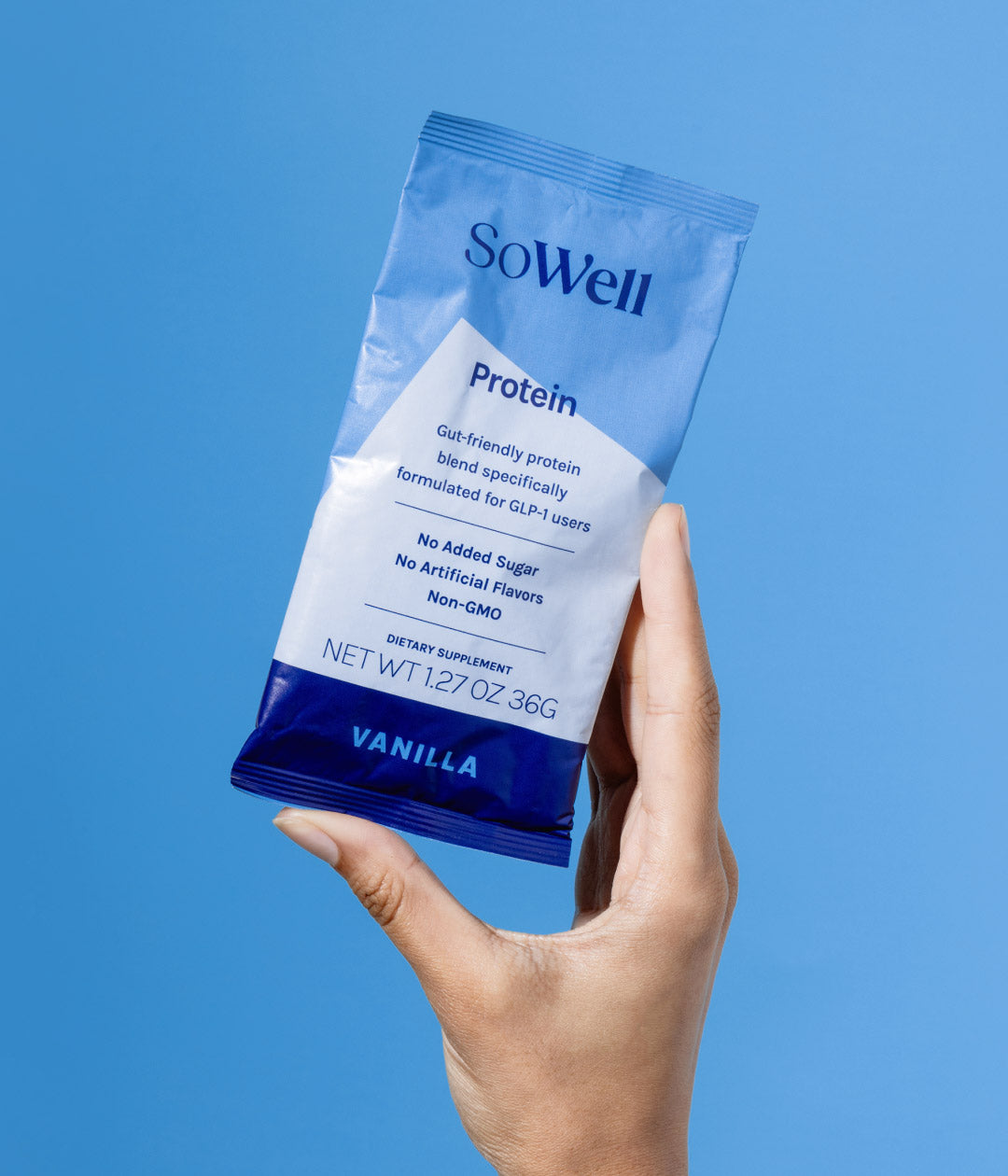
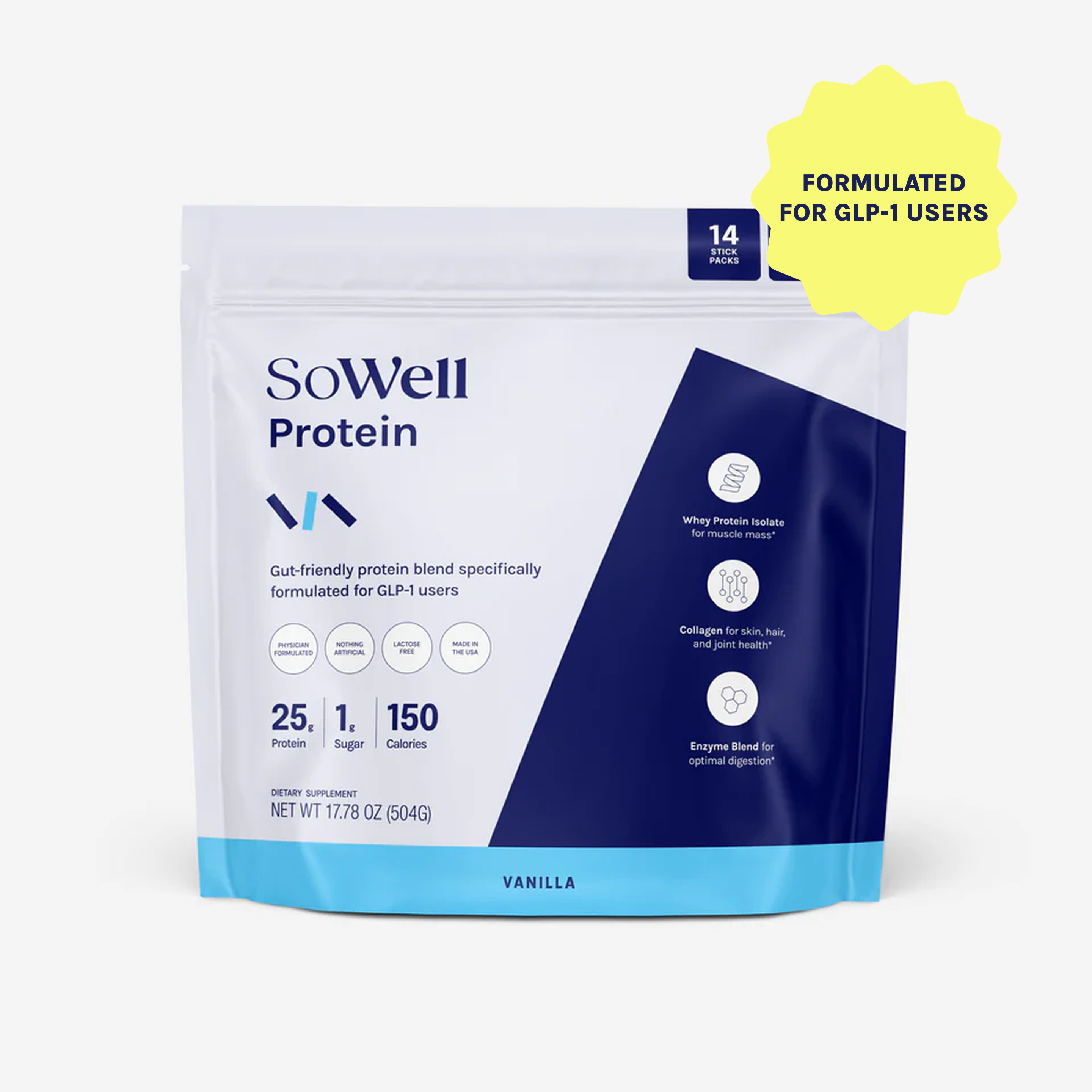
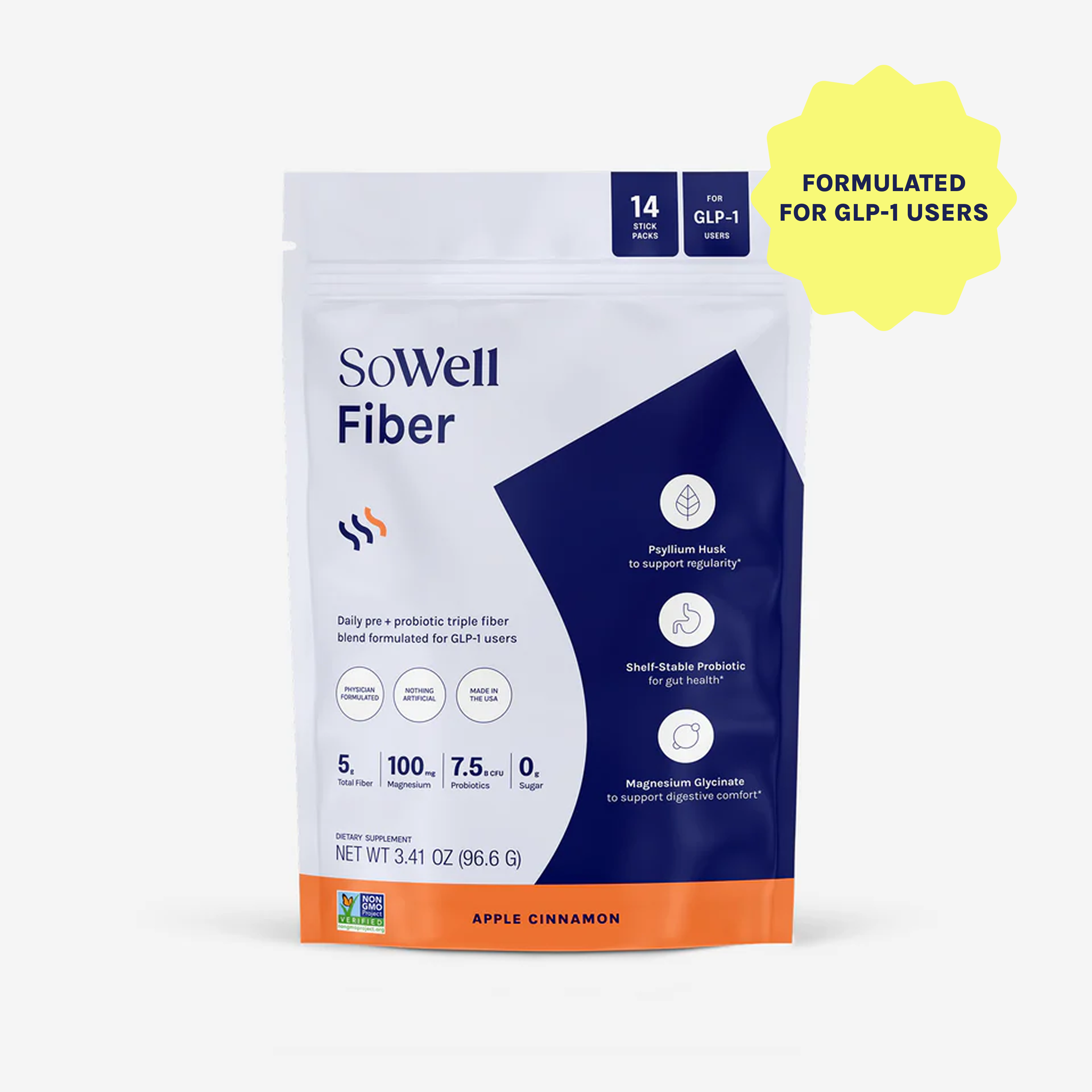
Every side effect Dr. Sowa addresses in this conversation — nausea, fatigue, GI distress, electrolyte depletion — has a targeted answer. Not generic wellness advice. A specific intervention. The SoWell GLP-1 Support System was built around exactly this protocol: electrolytes for hydration and nausea, B-Complex for GI support, protein for muscle preservation, and the full stack working together the way Dr. Sowa recommends to her own patients.
The medication does the heavy lifting. The System makes sure you can stay on it.